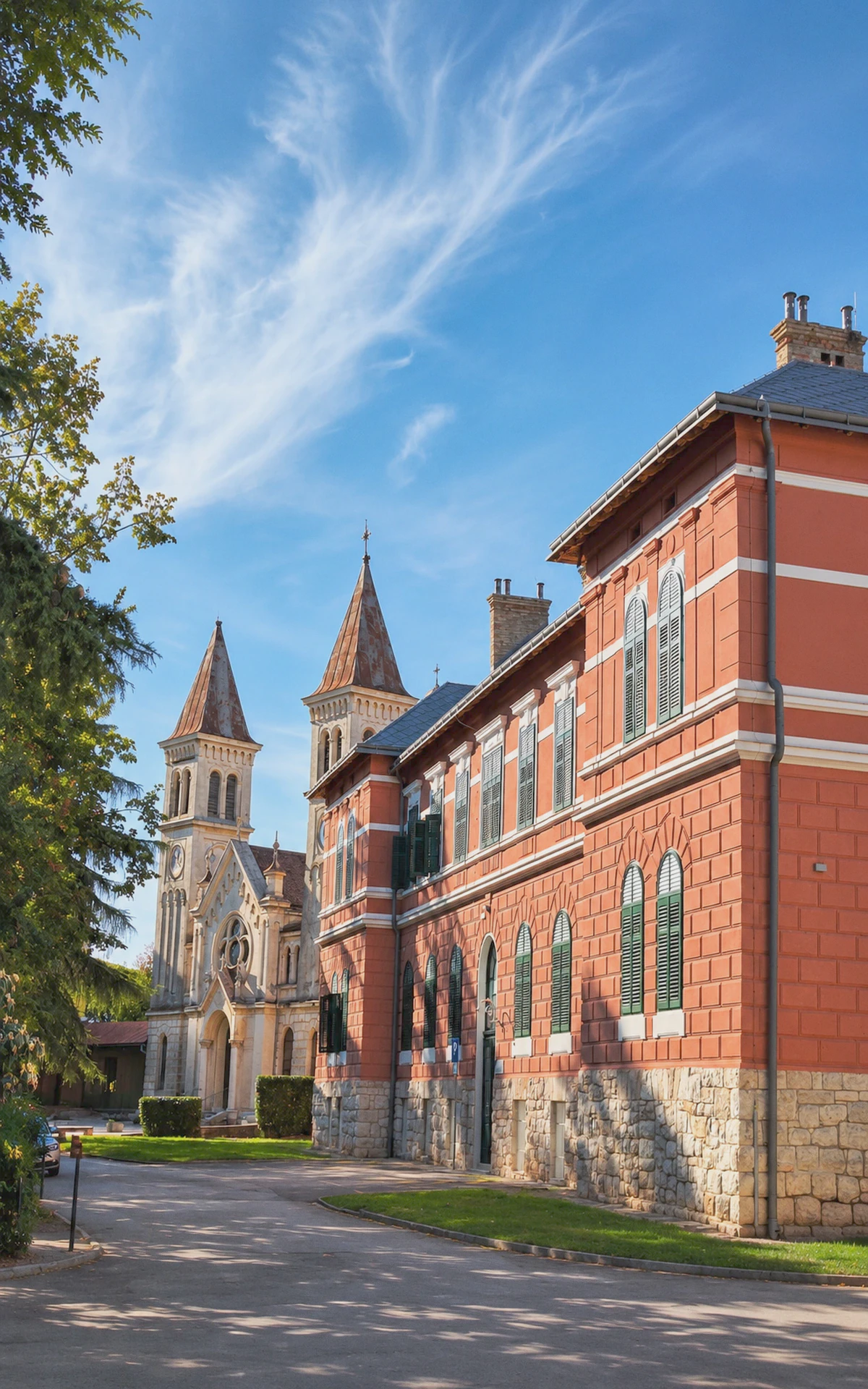
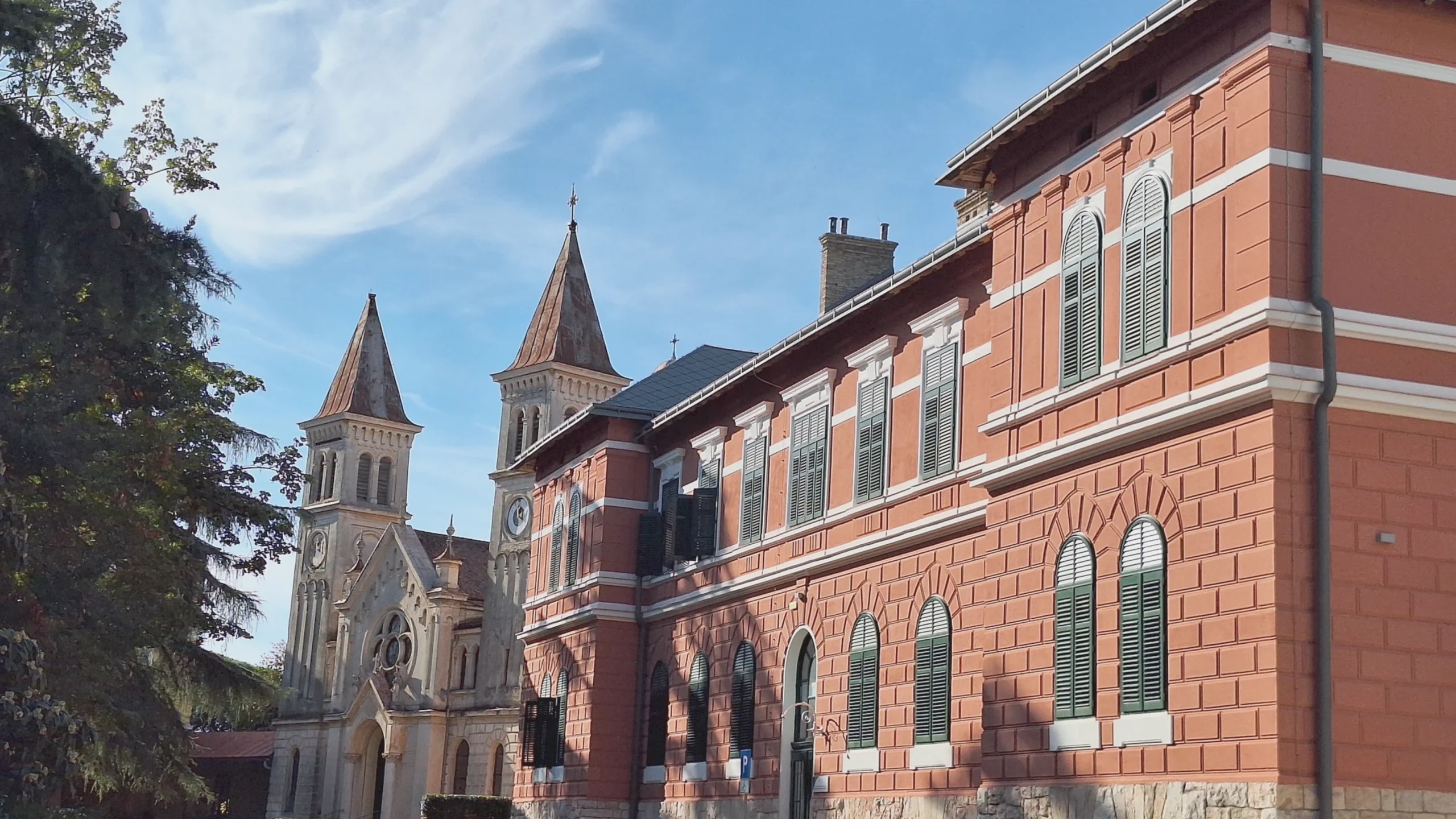
The story of the Seehospiz in Rovinj raises a fundamental question: What does it mean to support someone in their recovery? Founded in 1888, the Seehospiz Maria Theresia treated sick children, especially those from disadvantaged families, and reflected the belief that healthcare should not depend on financial circumstances. Since then, healthcare has evolved beyond simply treating illnesses and restoring physical functions. Rehabilitation also includes regaining abilities, adapting to permanent changes, and pursuing personal goals. The transformation of the facility into a specialized hospital for orthopedics and rehabilitation reflects this expanded understanding of recovery. Nevertheless, successful rehabilitation does not necessarily guarantee access to suitable housing, employment, or meaningful participation in social life. Its history highlights a crucial distinction between medical recovery and social inclusion and raises a question that remains relevant today: What responsibility does society have to ensure that recovery leads to genuine opportunities for participation?
From Rehabilitation to Inclusion
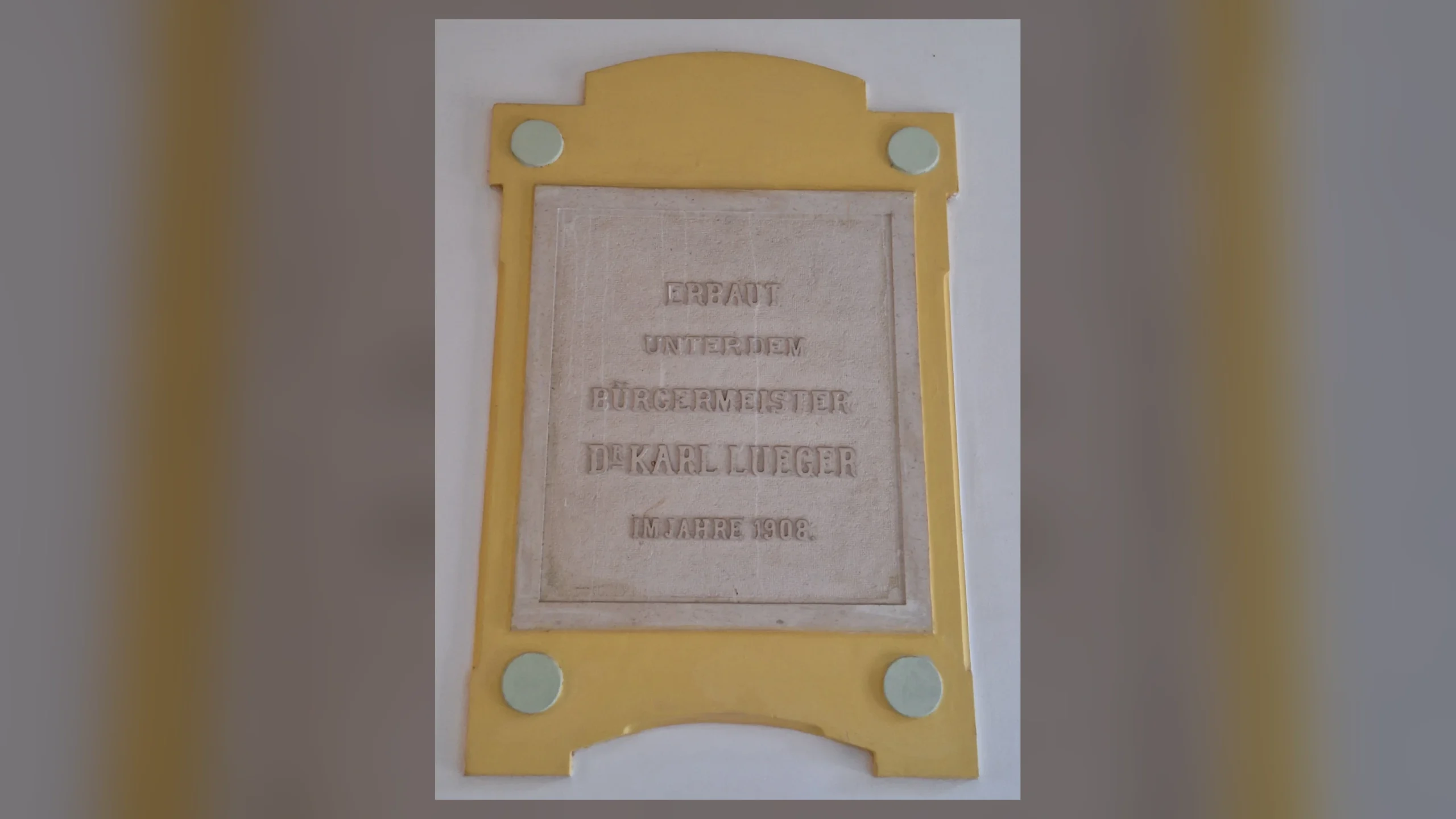
PHOTO: A memorial plaque dedicated to Karl Lueger, the mayor of Vienna, was installed at the entrance of the main building of the hospital in 1908. | Tomislav Bišić-Pauletić
Rehabilitation and inclusion are closely linked, but they are not interchangeable terms. Rehabilitation primarily refers to the support a person receives in regaining, maintaining, or developing physical, mental, and social abilities. Inclusion concerns the conditions under which a person can participate equally in society. A person may make significant progress during rehabilitation, but still encounter barriers outside of the healthcare facility. Buildings may be inaccessible, public transportation may not meet diverse mobility needs, workplaces may lack adequate accommodations, and societal attitudes may limit opportunities. Under such circumstances, the difficulty does not lie solely in a person’s health condition. It also lies in the organization of the environment in which that person is meant to live.
This distinction changes our understanding of responsibility. If participation is treated solely as an individual challenge, the burden falls on the affected person to adapt to existing conditions. An inclusive approach also asks whether these conditions need to change. Accessibility, appropriate accommodations, targeted support, and protection from discrimination become part of society’s response to disability. The UN Convention on the Rights of Persons with Disabilities provides an important contemporary framework for this understanding. Articles 19 and 26 link independent living and participation in the community with the provision of comprehensive rehabilitation services. From this perspective, inclusion is not simply an act of goodwill or an additional service provided when resources are available. It is linked to the recognition of rights and the responsibility of public institutions to make those rights effective.
This distinction is particularly important for the history of a rehabilitation hospital. A hospital can ensure high-quality treatment and promote recovery, but the further outcomes also depend on what happens when patients leave the facility. The question is not only whether a person has received adequate care, but whether the surrounding community provides the conditions to use the abilities and independence that have been regained through rehabilitation.
The historical development of social responsibility at the Seehospiz in Rovinj

PHOTO: The historical park by the sea at the Rovinj hospital offers a tree-lined promenade along the Adriatic coast and provides a panoramic view of the sea and the old town of Rovinj in the distance. | Tomislav Bišić-Pauletić
The founding of the Seehospiz in Rovinj in the 19th century can be understood as part of a broader development in the organization of social care. Its founders and supporters sought to provide treatment for children who would otherwise not have had access to it. Private donations, physicians’ initiative, and noble patronage contributed to the creation of an institution that later became linked to the public administration of the city of Vienna. This history should not be interpreted as a linear progression from inadequate charity to fully developed inclusion. The social and medical assumptions of the 19th century, as they existed at the Seehospiz in Rovinj, differed from those of today. Care was often organized through specialized institutions, and the needs of those being treated were largely defined by medical professionals and administration. The historical significance of the sanatorium lies in the form of organized care it provided, not in the claim of having anticipated modern concepts of disability rights.
Over time, responsibility for healthcare became increasingly linked to public institutions, professional systems, and formal agreements between organizations. The post-war development of the hospital in Rovinj, which was no longer called the Seehospiz, and the subsequent cooperation with Austria, including the Allgemeine Unfallversicherungsanstalt AUVA, illustrate how organized rehabilitation can be maintained through institutional relationships across national borders. Nevertheless, the existence of an institution or program does not automatically guarantee that all the needs of patients are met. Social responsibility must also be measured by the quality, accessibility, and continuity of care, as well as the opportunities available to people after treatment. A historical perspective can show how care structures were built and redesigned; however, assessing their contribution to inclusion requires considering the experiences and circumstances of the people they serve. The history of the Seehospiz in Rovinj thus raises a question that remains relevant today: How can institutions go beyond simply providing a service and ensure that people can exercise their rights and participate in society? The answer cannot be provided solely by healthcare, but healthcare is an essential part of it.
Cross-border cooperation as institutional responsibility
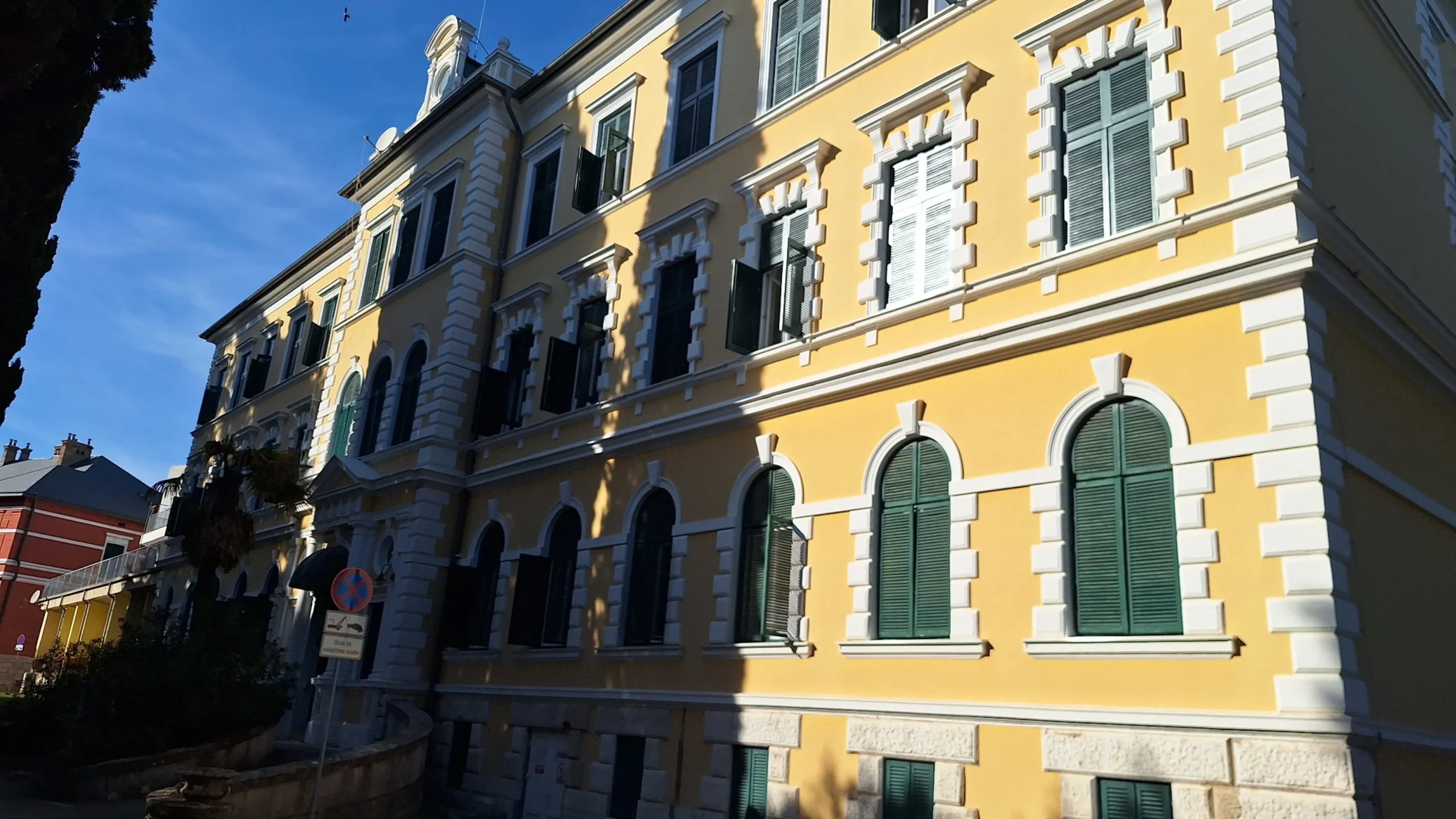
PHOTO: The Austrian pavilion, a historic building within the Rovinj hospital, which has housed patients insured by the Austrian statutory accident insurance (AUVA) during their rehabilitation for decades | Tomislav Bišić-Pauletić
The relationship between Rovinj and Austria provides a concrete example of healthcare cooperation that has endured despite significant political changes. The institution was established under the influence of Viennese medical and social initiatives, went through phases of changing state administration, and later re-established a connection with Austrian healthcare facilities. The cooperation with the AUVA, which reportedly began in 1972, has enabled Austrian patients to access specialized rehabilitation services in Rovinj. This collaboration demonstrates the practical value of institutional continuity. Medical needs do not necessarily end at national borders, and the provision of specialized rehabilitation can depend on agreements between healthcare providers, insurance companies, and public authorities. Such agreements can support access to treatment and help to secure the institutions that provide it.
At the same time, cross-border healthcare and social inclusion should not be seen as identical achievements. While an agreement can ensure that a person receives rehabilitation, inclusion also encompasses the living conditions beyond the treatment program: access to housing and transportation, educational and employment opportunities, social relationships, and the ability to make autonomous decisions about one’s own life. These broader conditions concern families, local communities, employers, public services, and political decision-makers as much as healthcare facilities. The role of a rehabilitation hospital is therefore both significant and, by its nature, limited. It can provide treatments, promote personal skills, and help people achieve greater independence. However, it cannot, on its own, remove every social or physical barrier that individuals may encounter after discharge.
Recognizing these limitations does not diminish the importance of the hospital. Rather, it highlights why rehabilitation works best when it is linked to a broader system of accessible services and social support. The long-standing connection between Rovinj and Austria also prompts reflection on institutional responsibility over time. Political borders and administrative structures have changed, but the need for specialized care remains. The history demonstrates the value of lasting cooperation, while modern inclusion requires that such cooperation be evaluated not only by the services provided, but also by the real opportunities that these services offer to people in their daily lives.
Conclusion: From Care to Participation
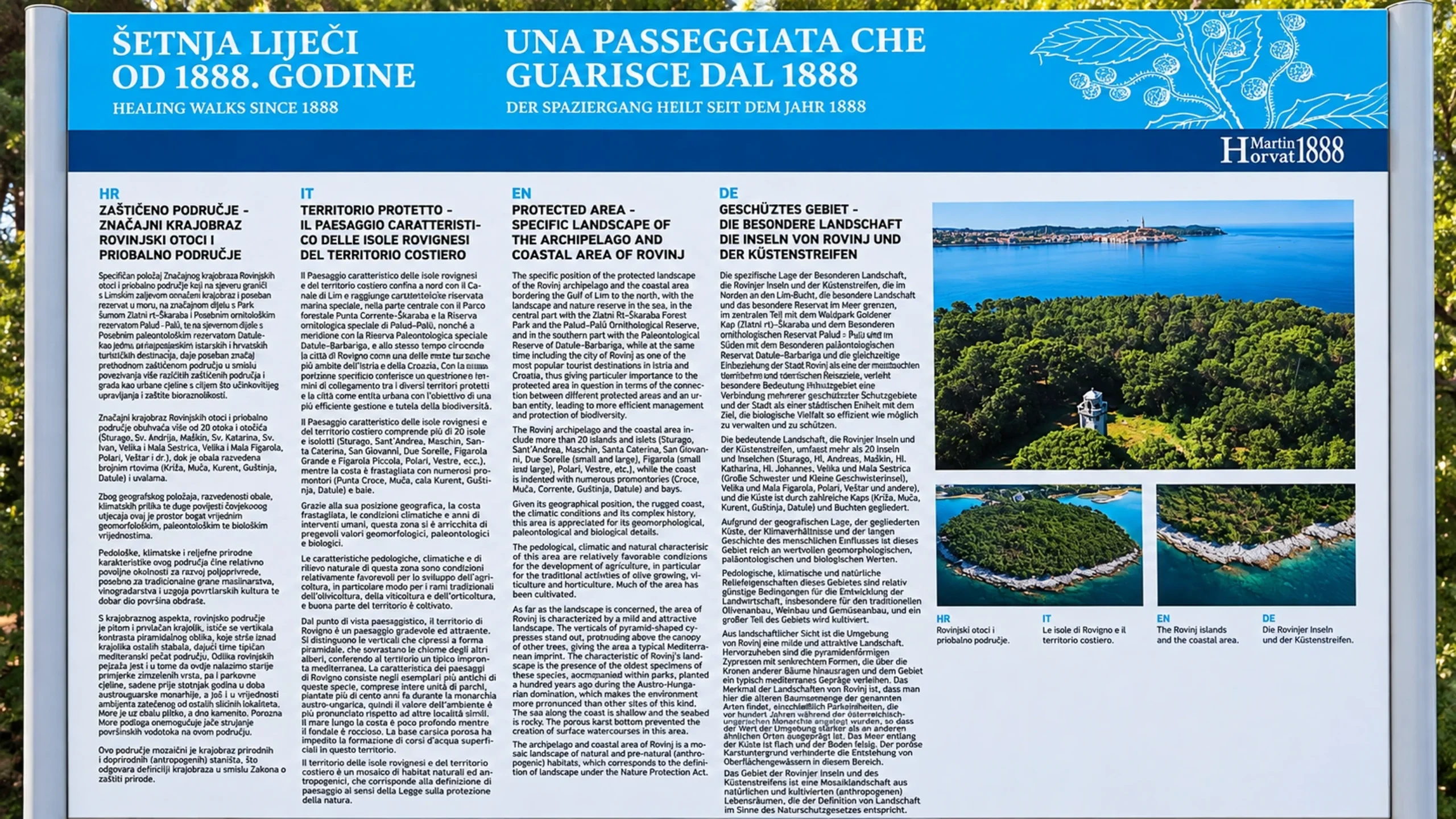
PHOTO: One of the multilingual information signs, located along the promenade of the historical park of the hospital in Rovinj, provides information in Croatian, Italian, English, and German about the protected natural landscape and the coastal heritage of the region. | Tomislav Bišić-Pauletić
The distinction between care and inclusion has practical consequences for healthcare facilities. A rehabilitation program can help a person regain mobility, learn new skills, or adapt to a changed physical condition. However, whether these improvements translate into greater independence also depends on the opportunities available outside of the clinic. Accessible transportation, adequate housing, inclusive workplaces, and support within the community determine whether rehabilitation leads to genuine social participation.
For a specialized hospital like the one in Rovinj, this perspective does not mean that the institution must solve every societal problem. Rather, it means acknowledging both the importance of the hospital’s clinical work and the limitations of what medical work alone can achieve. The broader task is shared by healthcare providers, authorities, communities, and institutions responsible for enabling equal participation. The UN Convention on the Rights of Persons with Disabilities provides a framework for this shared responsibility. Its emphasis on rehabilitation, independent living, and participation makes it clear that recovery should not be considered in isolation from a person’s rights and their life after treatment. The crucial question is not only what a medical facility can restore, but what conditions are necessary for people to utilize their abilities and make independent decisions.
A final thought on the measure of inclusion
A final thought: The measure of inclusion is not only how well we care for people when they need treatment, but whether they can shape their own lives and participate equally in society when that treatment ends.