The Children’s sanatorium in Rovinj illustrates how Viennese medical, administrative, and political influences shaped healthcare on the Adriatic coast in the second half of the 19th century. Founded in 1888, the Archduchess Maria Theresa seaside sanatorium became part of a broader European history of pediatrics, shaped by changing borders, political upheavals, and evolving approaches to medical rehabilitation. The article traces the institution’s development through two World Wars and its post-war cooperation with the Austrian AUVA. It also examines how doctors, architects, and artists shaped the hospital as an integrated therapeutic environment, where architecture, art, and landscape design were essential components of the healing process. Furthermore, it highlights the growing importance of rehabilitation, dignity, and social inclusion.
Rovinj Children's Sanatorium: Architecture, Nature and Art in the Service of Public Care
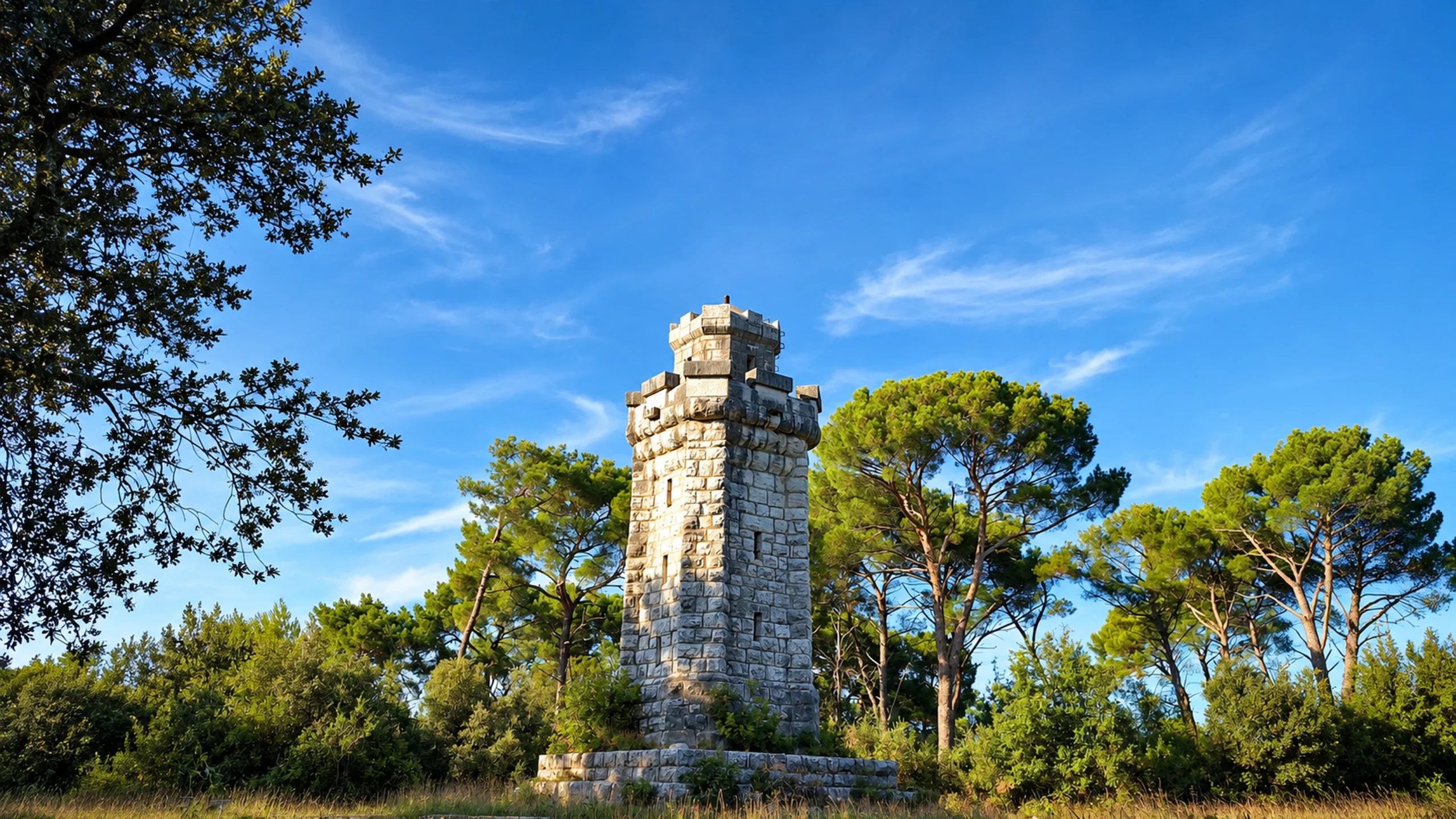
PHOTO: Tomislav Bišić-Pauletić
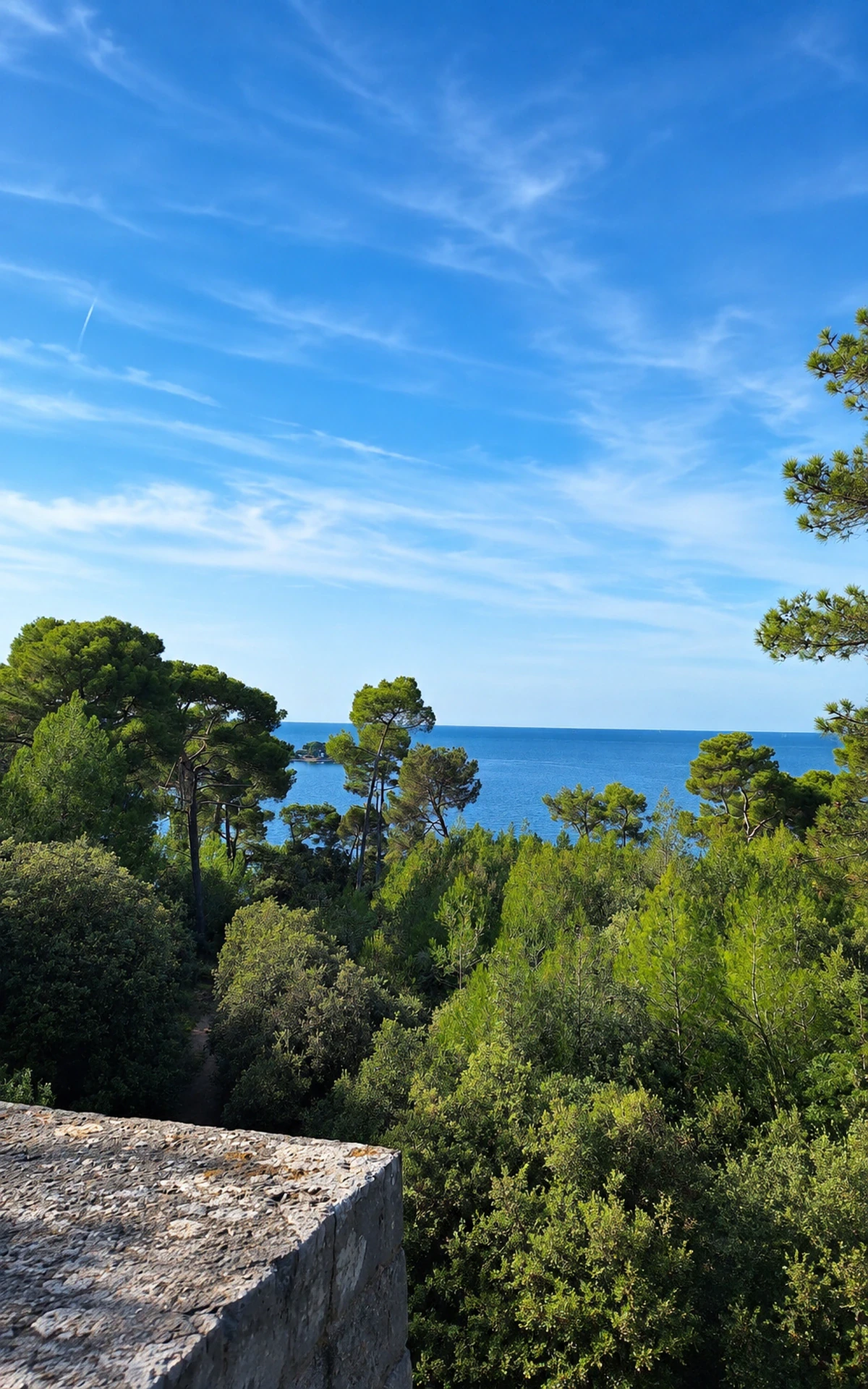
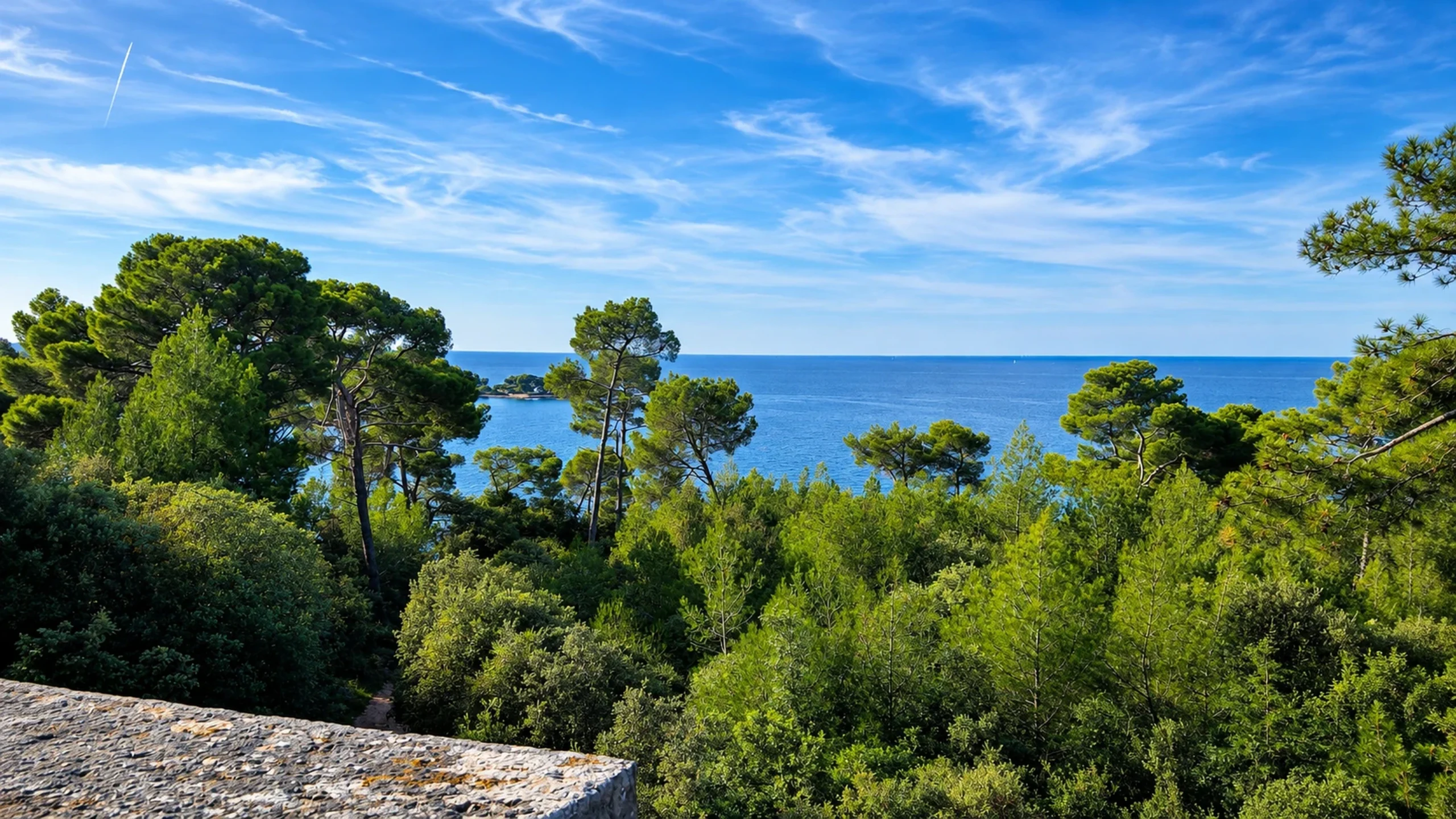
The hospital complex was conceived as more than just a collection of buildings for housing patients. Its pavilion structure, the park, and the walking paths reflected the contemporary understanding of a sanatorium, where fresh air, light, tranquility, and contact with nature were intended to contribute to recovery. A stone viewing platform, associated with Karl Lueger, is also located on the Muccia peninsula. Historical records confirm that the park was an integral part of the complex, and that the architect Wilhelm Stiassny and the gardener Josef Laube contributed to its design. [4][5][13] These spatial and artistic traces allow us to explore the history of social welfare beyond administrative records. The architecture reveals how the institution understood treatment, what importance it attached to the natural environment, and how public policy took on a tangible architectural form.
Wilhelm Stiassny and the Architecture of the Sanatorium
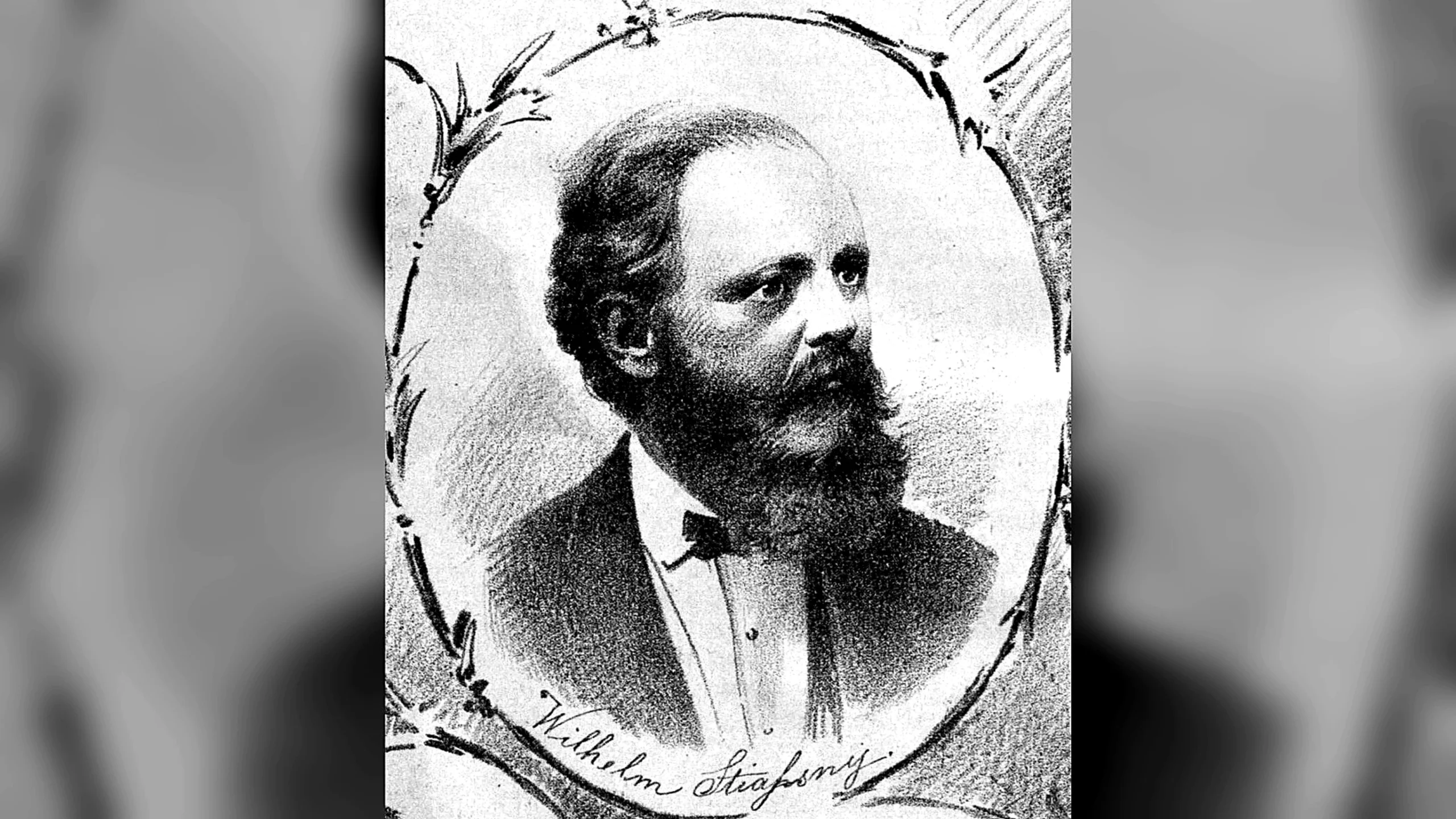
PHOTO: Der Humorist, 22. svibnja 1886., str. 4. Digitalizirano izdanje: Österreichische Nationalbibliothek, ANNO. Public Domain Mark 1.0.
Wilhelm Stiassny (1842-1910) was one of the prominent Viennese architects of the second half of the 19th century. He designed the pavilion-like hospital complex and created the initial design for the park on the Muccia peninsula. His name is also associated with the hospital church, dedicated to the Blessed Virgin Mary, Queen of the Sea, which was built at the beginning of the 20th century. However, the available sources are not entirely consistent in attributing the church design to him. Given his involvement in the planning of the larger pavilion system, it seems plausible that he also designed the church, although this cannot be considered definitively established without further documentation. This is the author’s hypothesis, not a confirmed attribution. [10][30]
Several examples from Vienna illustrate his significance: The Rothschild Hospital in the Währing district, a hospital building designed for healthcare, which is of particular relevance in the context of his work in Rovinj. The Israelite Institute for the Blind on the Hohen Warte, an institution for blind people, which demonstrates Stiassny’s commitment to buildings for social welfare. The ceremonial hall in the Vienna Central Cemetery as an example of his work in memorial architecture. Residential buildings on Weihburggasse and Rathausstraße as examples of his contribution to Viennese urban architecture. These buildings show that Stiassny was not only the architect of a single Istrian hospital. His work included hospitals and other public facilities, residential buildings, and religious buildings, which served the diverse needs of urban society.
Josef Laube and the Design of the Hospital Park
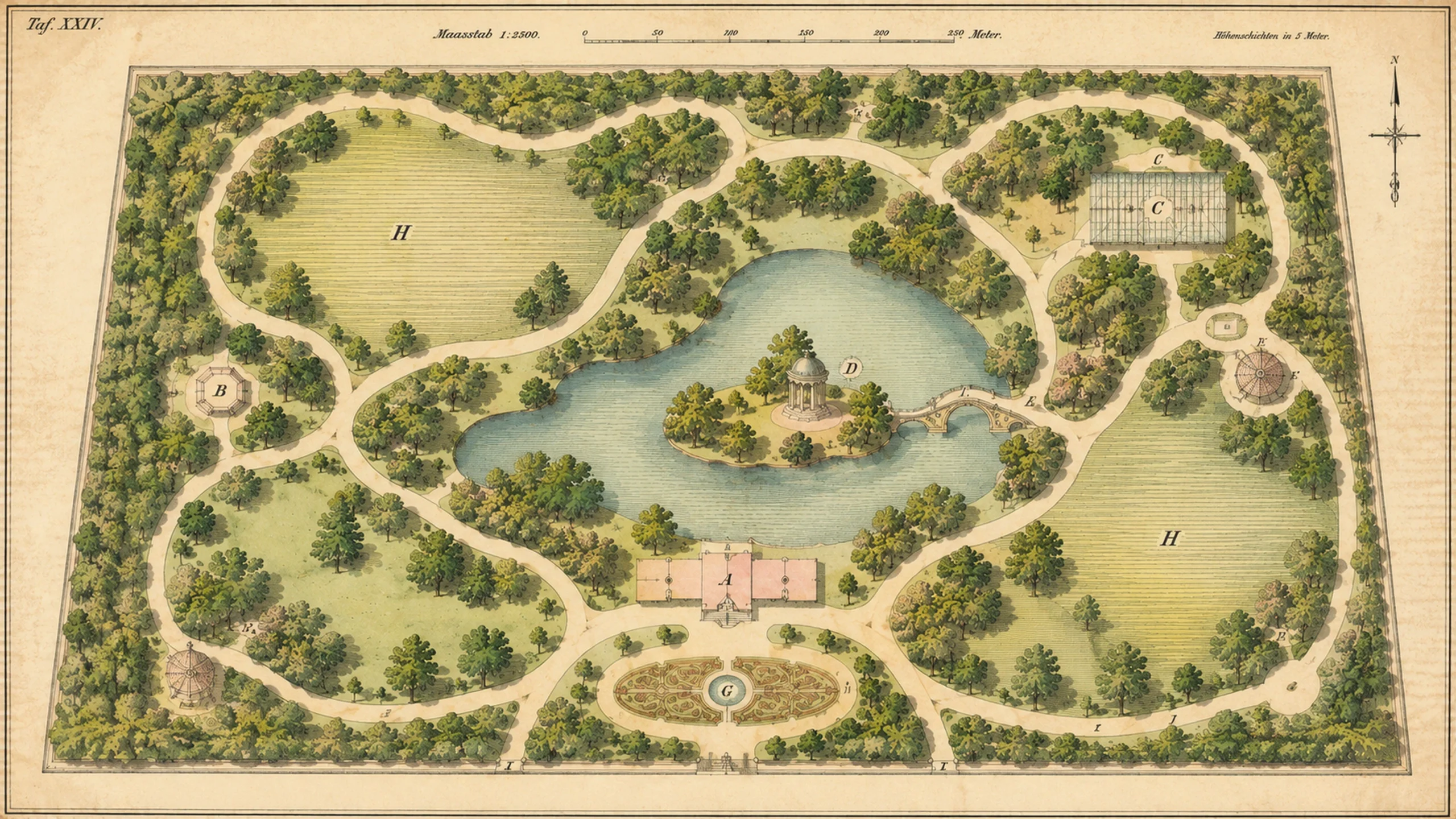
PHOTO: AI generated image based on the concept of the editor
Josef Laube was a naval gardener, a horticultural expert associated with the Austro-Hungarian Navy. He created the planting plan for the sanatorium complex, while Stiassny developed the original park design. Their collaboration combined the architecture of the hospital pavilions with a carefully designed natural environment. The park included formal areas around the buildings, more natural woodland paths, and a coastal promenade along the Muccia peninsula.
Laubes’ work extended beyond Rovinj. He designed the marine park in Pula, and his name is also associated with the development of the park on Lokrum, near Dubrovnik, during the Habsburg rule of the island. This reveals a remarkable geographical connection: the same expert shaped green spaces in various parts of the Adriatic coast at a time when parks were becoming an essential feature of public, representative, and health-promoting spaces. His previous work on significant projects demonstrates the experience he brought to the design of the park in Rovinj. However, without direct documentation, it is impossible to definitively determine whether his work for the imperial court was the decisive reason for his selection for the project in Rovinj. Today, Lokrum is protected as a special forest vegetation reserve and is not a national park. [10][13]
The Altar and Altarpiece of the Hospital Church: a Small Piece of Vienna a Short Walk From the Sea
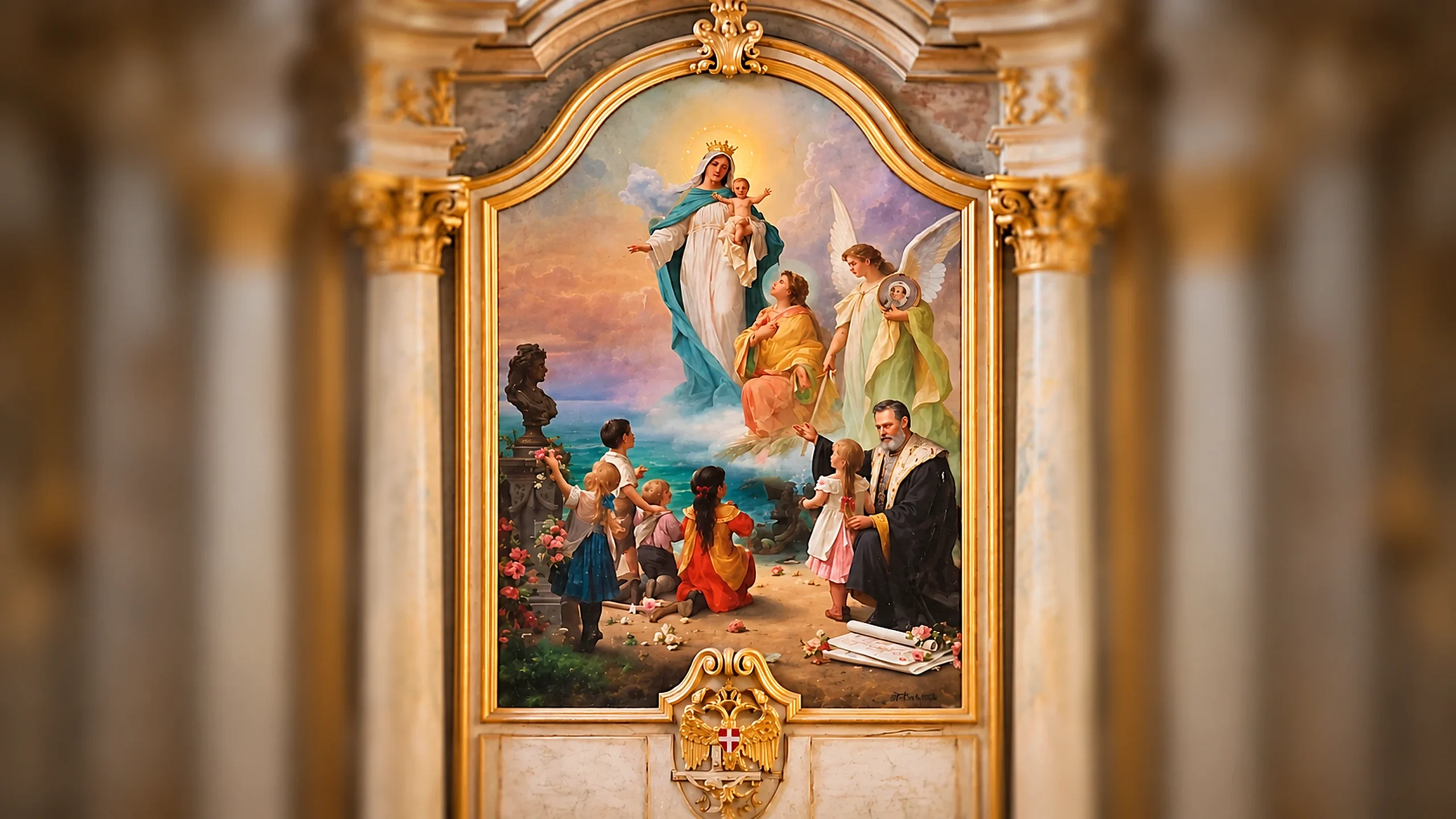
PHOTO: Tomislav Bišić-Pauletić
The main altar of the hospital church holds a special place in its history. It was moved from the Viennese Laimgrubenkirche. According to the author’s direct observation, the original altarpiece is now kept in the Oratorio della Beata Vergine Maria Addolorata in Rovinj. [29] A later account of the hospital’s history links the altarpiece to the period of administration by the city of Vienna and mentions the Viennese artist Hans Zatzka. The details of the transfer and authorship should be verified using archival sources or art historical documentation before they can be considered certain. [26][27]
The altar and altarpieces are tangible traces of the historical connection between Rovinj and Vienna. At the same time, they raise questions about the relationship between art, religious symbolism, political patronage, and public institutions. In this sense, the church is not merely an addition to the hospital complex, but part of its cultural and historical identity.
Wars and Changing National Borders
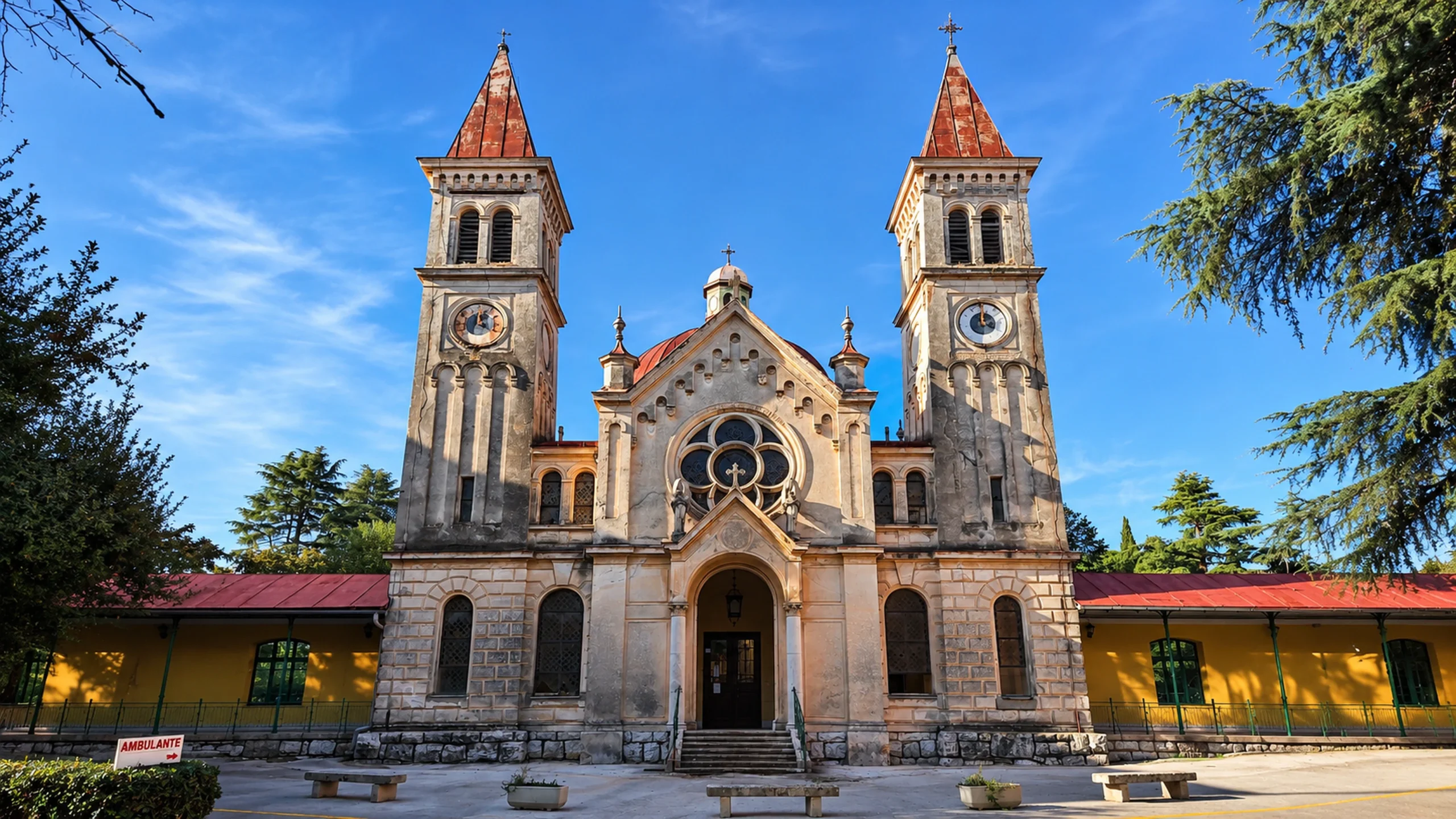
PHOTO: Tomislav Bišić-Pauletić
The First World War interrupted the continuity of the sanatorium’s activities. After the dissolution of Austria-Hungary, Istria came under Italian rule, which changed the political framework in which the institution operated. Nevertheless, it would be incorrect to claim that the connection between Vienna and the hospital in Rovinj was severed during the entire Italian period. Historical accounts show that the institution was again placed under the administration of the city of Vienna in 1927, even though it was located in a territory under Italian sovereignty. This illustrates that the political status of a territory and the institutional affiliation of a healthcare facility did not necessarily have to coincide. [3][12]
The Second World War brought another turning point. According to the available chronology, the care of Viennese patients continued until 1943, and after the war, in 1947, the institution came under Yugoslav ownership. [3][12] This marked the end of the era in which the hospital was managed by the city of Vienna. The history of the hospital highlights how heavily healthcare is dependent on broader political conditions. Border changes and administrative changes influence funding, access to treatment, and the patient groups for whom a healthcare facility is intended. However, the need for medical care for a sick child remains regardless of which state the place of treatment belongs to.
Post-war Development and the Renewal of Ties with Austria
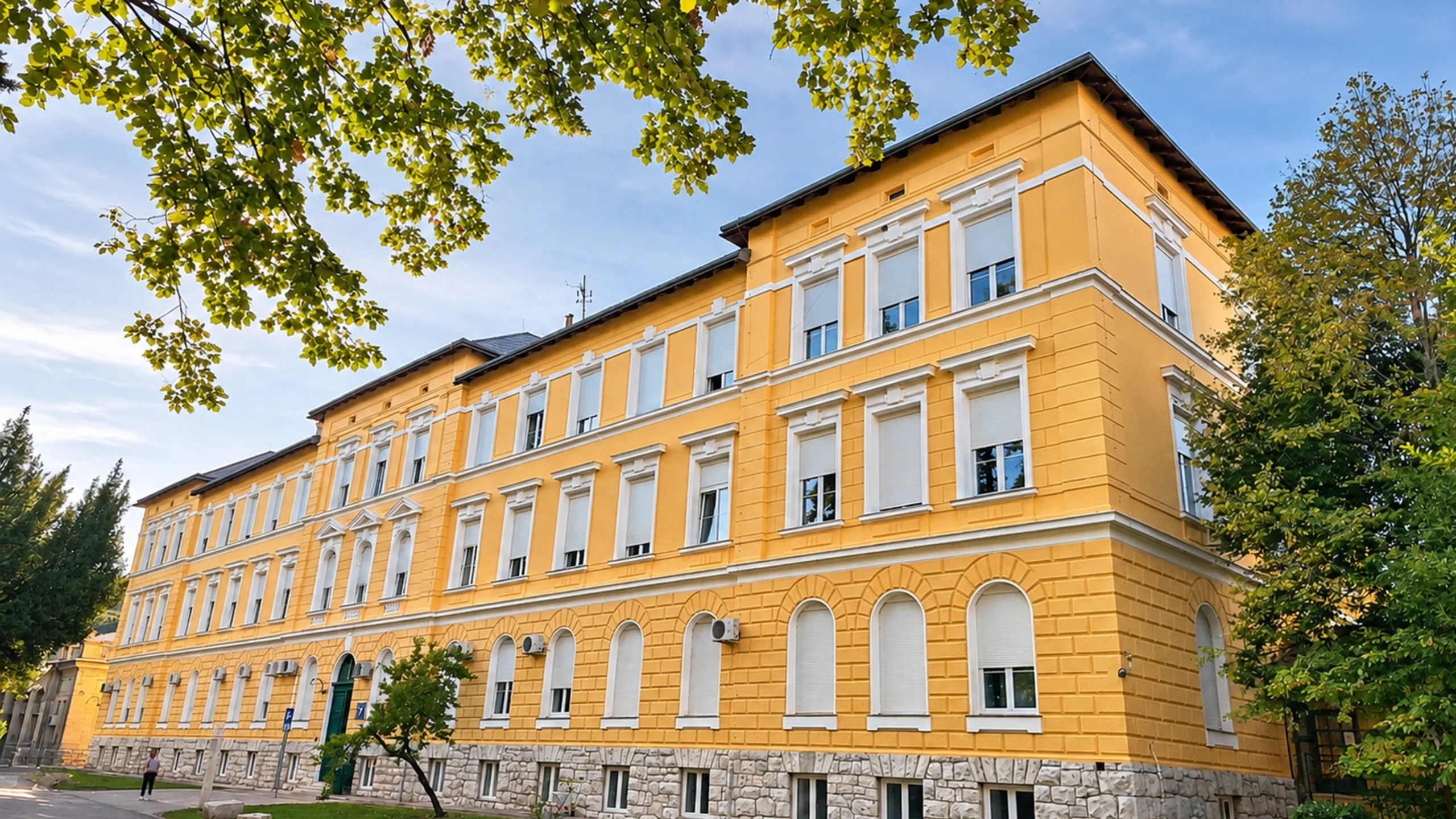
PHOTO: Tomislav Bišić-Pauletić
After 1947, the hospital continued its work within a new political and healthcare system. Dr. Martin Horvat, who served as director of the institution for many years, played a crucial role in the post-war development. The institution, now named after him, gradually established orthopedics and rehabilitation as central elements of its profile.
The connection to Austria was not permanently severed by the new state borders. In the following decades, a cooperation was established with Austrian institutions, in particular the AUVA, the Austrian statutory accident insurance. According to the regional newspaper Glas Istre, the collaboration between the hospital in Rovinj and the AUVA began in 1972. This starting date is also mentioned in an official document from the Istria Regional Council from 2019, which states that the cooperation agreement was concluded for an indefinite period. The same document reports that the hospital admitted approximately 800 patients insured by the AUVA each year, between March and October, generating revenues of over one million euros per year. These figures demonstrate that the partnership was important not only for the treatment of Austrian patients but also for the financial basis of the hospital’s operations. [14][24]
In an article from 2013, Glas Istre quoted Dr. Miriam Ban, who was then the acting hospital director, regarding the long-standing cooperation with the AUVA. She referred to approximately 800 patients per year and more than 22,000 Austrian insured individuals who had been treated at the hospital by that time. [24]
Publications from the Austrian insurance provider offer more in-depth insights into the organization of the collaboration. In its official brochure from 2020, the AUVA listed Rovinj as a contracted facility for severely injured patients, including individuals with paraplegia, multiple amputations, or traumatic brain injuries. The document describes Rovinj as a place for post-acute rehabilitation, which underscores the specialized function of the hospital in treating severe trauma. [15]
Financial documents from AUVA indicate that the collaboration extended beyond simple reimbursement rates. In November 2020, the AUVA board approved a daily rate of €81.64 per patient and €54.87 per accompanying person. At the same time, an advance of €50,000 was approved for the construction of an indoor swimming pool on the hospital grounds. This amount was to be offset against invoices for treatment services in 2021. Since this was a repayable advance, the amount should not be presented as a non-refundable donation. [16]
Subsequent decisions confirm the continuation of the program. In 2023, the board approved adjustments to treatment and transportation rates, while official meeting minutes for 2024, 2025, and 2026 indicated an annual quota of 550 participants for Rovinj. These figures differ from previous estimates of approximately 800 people per year. They come from different time periods and administrative contexts, and cannot be directly compared without additional sources. [17][18][19][20]
The cooperation also included material support. In 2021, Glas Istre reported on the donation of 100 hospital beds, delivered in two batches of 50 each, with a total value of approximately €190,000. The donation was related to the fiftieth anniversary of the collaboration between the hospital and AUVA. [25]
The decades-long connection between Rovinj and AUVA represents a remarkable example of cross-border rehabilitation. The Austrian organization finances services as contractually agreed, plans capacity, and participates in selected infrastructure projects. The hospital in Rovinj provides specialized care for people whose recovery requires a long, multidisciplinary approach. In this context, rehabilitation does not end with purely medical treatment: it aims to enable those affected to achieve the greatest possible independence and return to everyday life.