A place where medicine, social care, and history meet
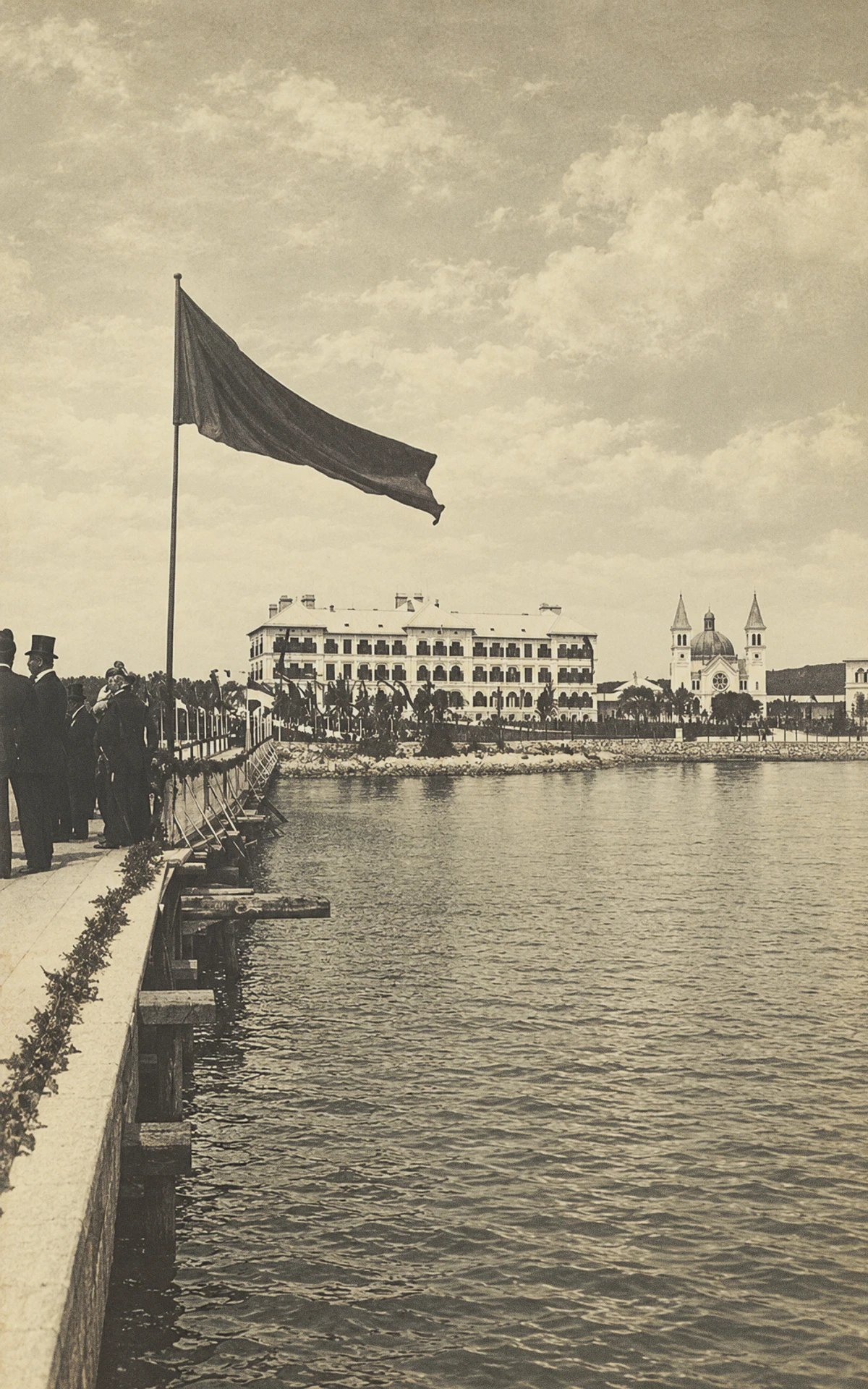
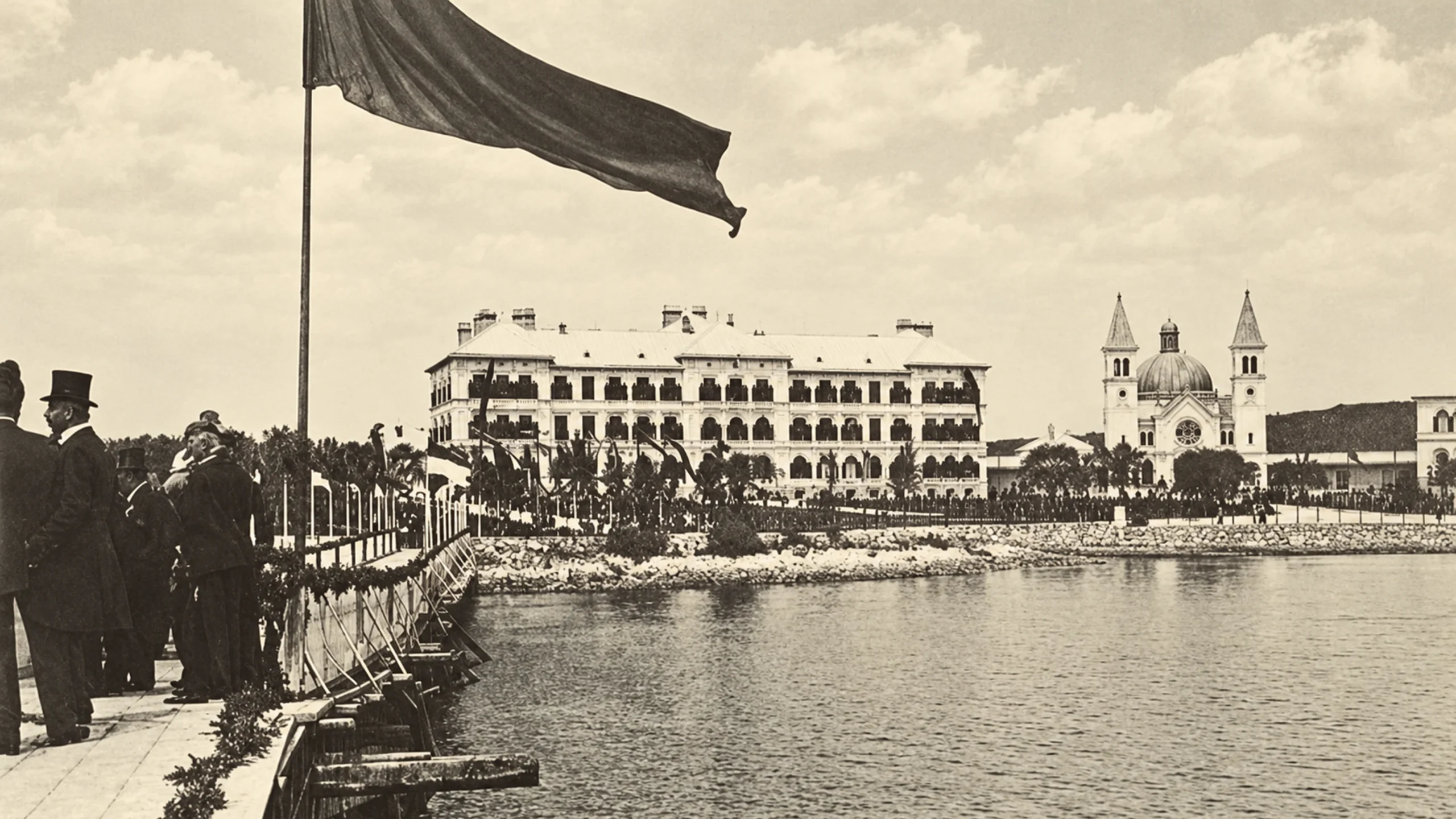
On the Muccia peninsula in Rovinj stands a hospital complex whose history connects Istria and Vienna, the development of modern medicine, and the evolving understanding of social responsibility towards the sick. The current specialized hospital for orthopedics and rehabilitation, “Dr. Martin Horvat,” originated as an institution founded in the late 19th century to treat sick children, especially those from families who could not afford adequate healthcare.
The Seehospiz Maria Theresia was officially opened in 1888, when Istria, as the Margraviate of Istria, was part of the so-called Austrian Littoral. The history of this institution is not merely a story of medicine and health tourism; it is also a story of the development of public social care in Central Europe. Vienna plays a particularly important role in this story, as its relationship with the hospital has continued to this day, despite interruptions and changing political circumstances.
The Viennese initiative: Treating children outside the metropolis
iksHaus | KI-generiert nach redaktioneller Konzeption, 2026
The origins of the sanatorium are linked to an initiative by Viennese doctors and an association dedicated to treating sick children. By 1888, a total of 100,000 guilders had been collected for its construction. Bettina de Rothschild was among the donors, contributing 6,000 guilders. Historical records also mention a contribution of 24,000 guilders, linked to the Chamber of Commerce and Trade in Trieste and Karl von Reinelt. These figures demonstrate the financial support the project received, although they should not be confused with the total costs for the construction of the first pavilion and the development of the site. [1]
Seehospiz Maria Theresia: The founding of the sanatorium and its supporters
iksHaus | KI-generiert nach redaktioneller Konzeption, 2026
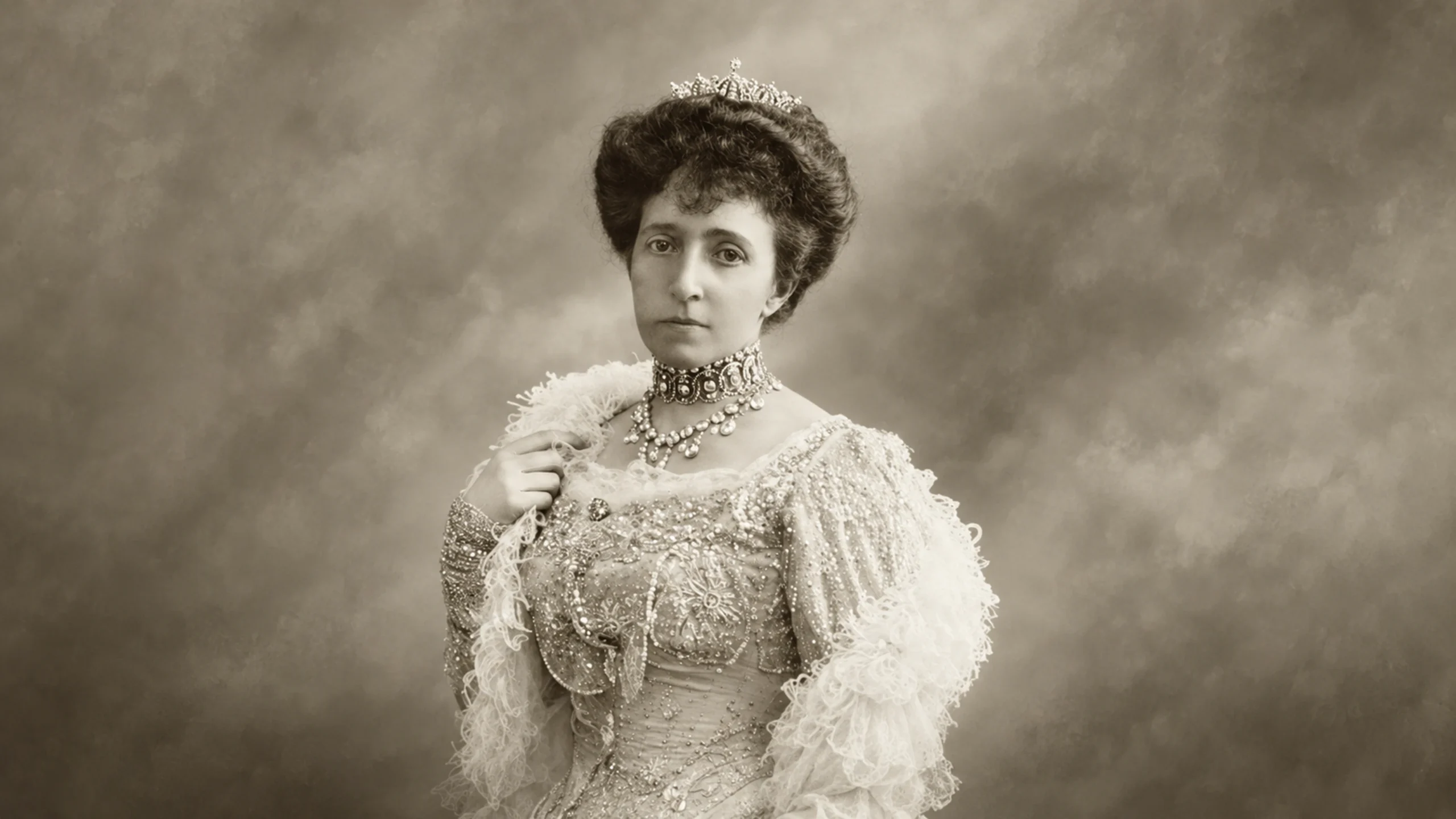
The subsequent development of the complex illustrates the extent of the investment in the sanatorium. In May 1886, land was purchased on a peninsula in Rovinj, opposite the historic city center, and Archduchess Maria Theresia agreed to become the patron of the project. She was the wife of Archduke Karl Ludwig, the brother of Emperor Franz Joseph I. She should not be confused with Empress Maria Theresa, the Habsburg ruler of the 18th century, who remains one of the most famous figures in the history of the monarchy.
The funding for the construction came from various sources, including government support and private donations. The cornerstone for the first building was laid in 1887, and the sanatorium was officially opened the following year in the presence of the Archduchess and her husband. [1]
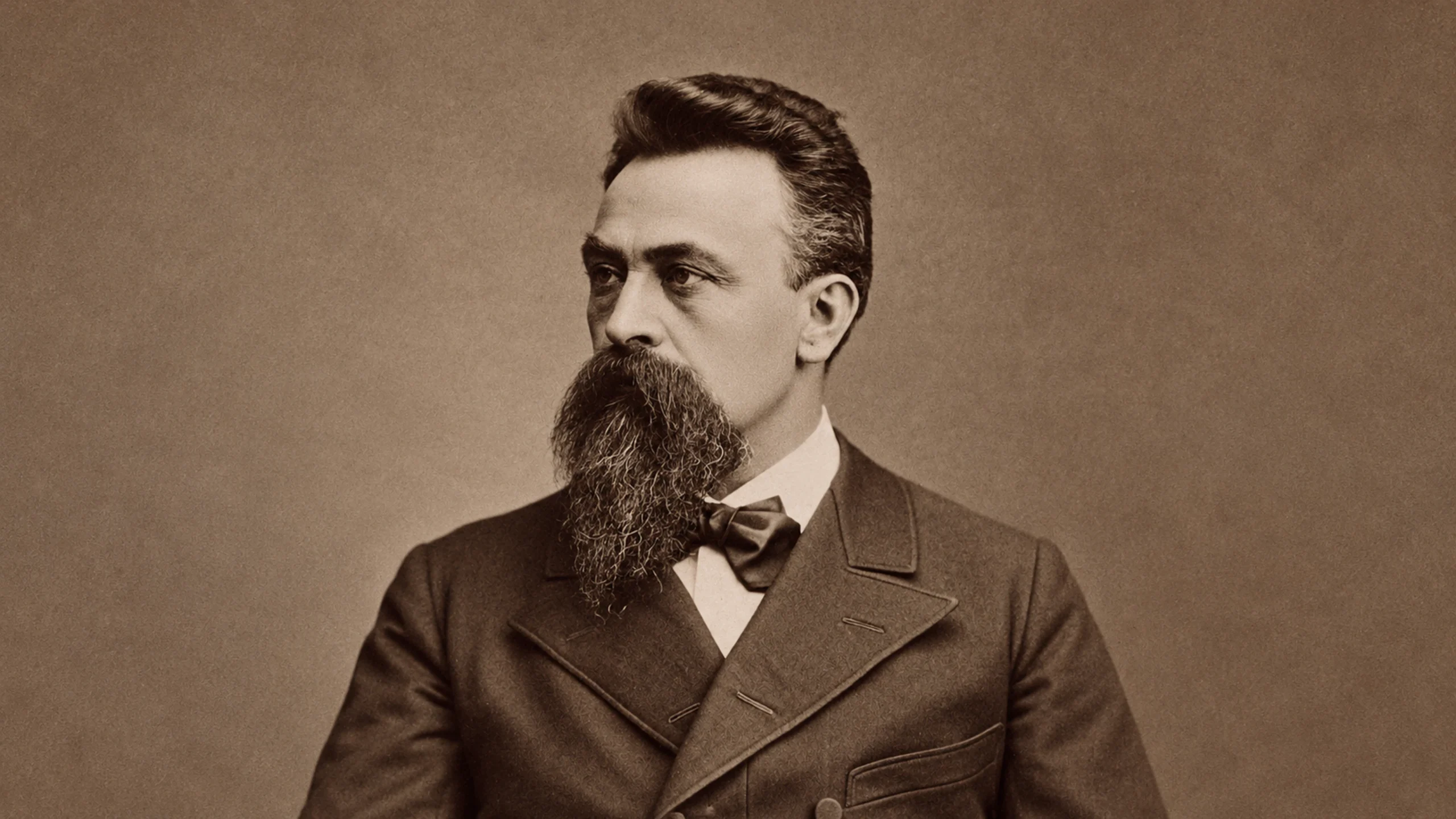
San Pelagio: Expansion of the grounds and treatment of children
iksHaus | KI-generiert nach redaktioneller Konzeption, 2026
According to the historical account of San Pelagio, an additional 29 hectares, 55 ares, and 96 square meters of land were acquired for 95,475 crowns. The costs for expansion, landscaping, and roads were recorded as 1,245,100.57 crowns. These figures refer to a later phase in the development of the institution and cannot be directly applied to the original construction from 1887 to 1888.
The institution was primarily intended for children suffering from scrofula and rickets. Scrofula is a historical term most often associated with tuberculous changes in the lymph nodes, while rickets is a disorder of bone mineralization, usually associated with a deficiency of vitamin D, calcium, or phosphate. In the 19th century, both conditions were also linked to broader social circumstances, including poverty, malnutrition, inadequate housing, and limited access to healthcare.
The children treated at the sanatorium did not come exclusively from Vienna and Istria. According to historical reports cited by the regional newspaper Glas Istre, patients arrived from various parts of the Austro-Hungarian Monarchy, as well as from Germany, Russia, and other countries. Rovinj thus became one of the places where medical care, climate therapy, and social support converged. [1]
Stays by the sea, sunlight, proper nutrition, and rest were considered important elements of the treatment. This approach should be understood in the context of the medical knowledge available at the time. A natural environment and improved living conditions could contribute to recovery, but they could not replace specific treatments for infections or, on their own, address all the causes of rickets.
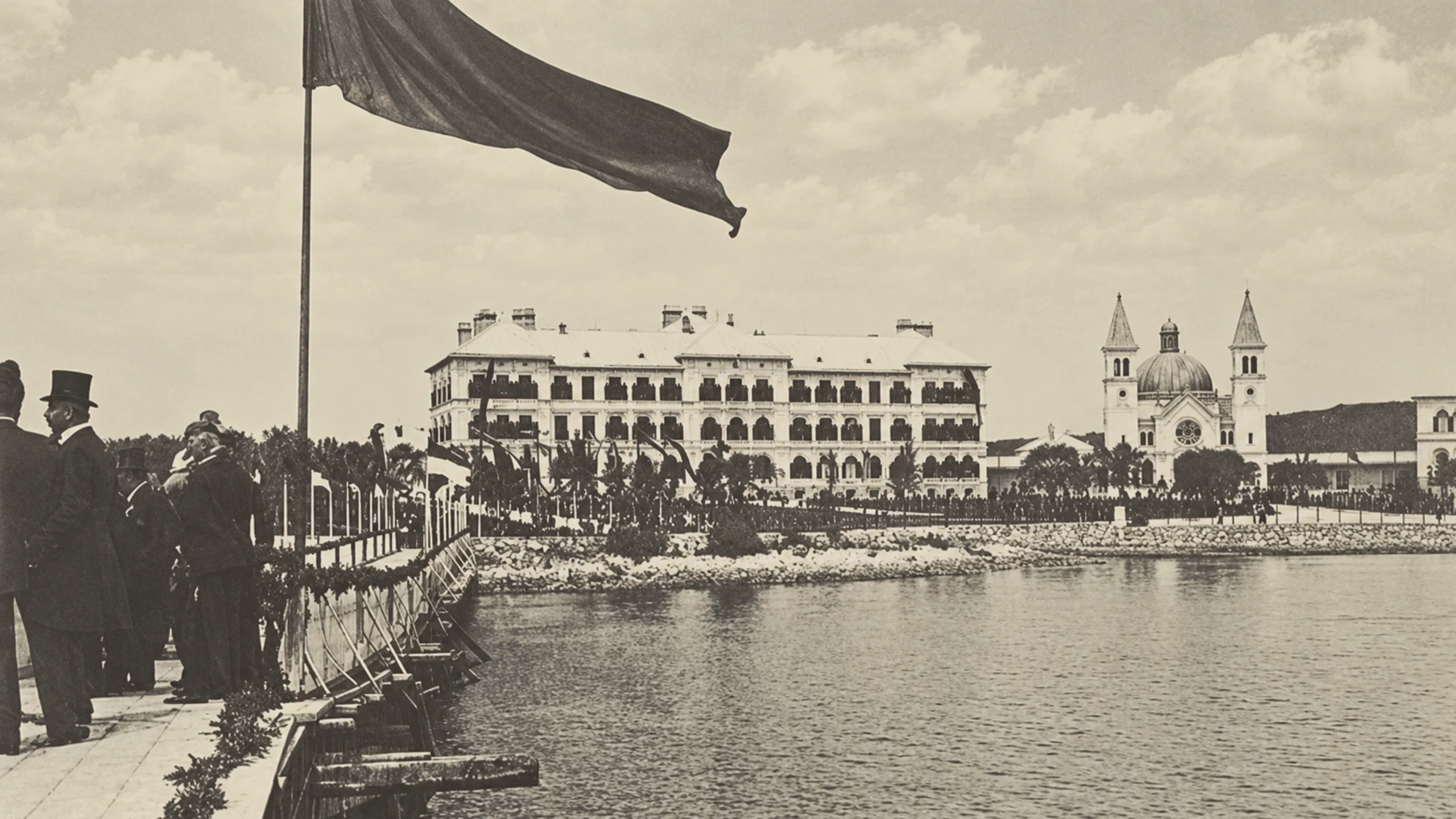
Luigi Monti and Eduard Albert: Doctors who connected Vienna and Rovinj
iksHaus | KI-generiert nach redaktioneller Konzeption, 2026
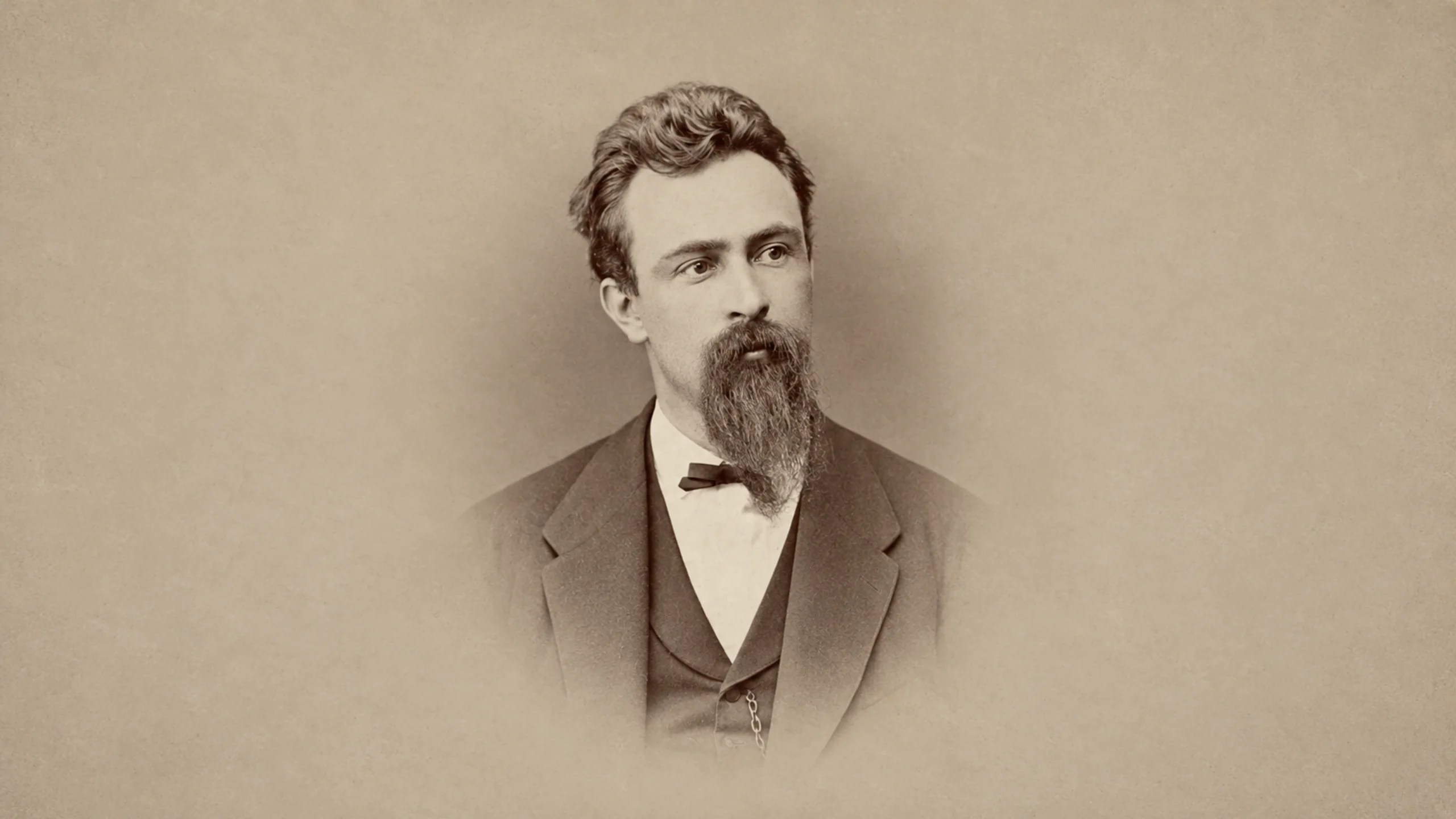
Two doctors and university professors, the pediatrician Luigi (Alois) Monti and the surgeon Eduard Albert, recognized the climate of Rovinj as a suitable environment for the recovery of children. Both were involved in the initiative that led to the establishment of the seaside climate sanatorium.
Luigi Monti, a doctor from the Italian-Austrian cultural sphere, became the first director of the institution. His name endures to this day in the street where the hospital is located. His role connects the beginnings of the institution with the development of pediatric care and the efforts to organize treatments for children in need of medical assistance outside of the major urban centers.
Eduard Albert was a prominent Czech surgeon and a pioneer of modern orthopedic surgery. He held professorships in surgery at the universities of Innsbruck and Vienna. His professional work contributed to the development of modern surgery, and his name is also associated with the efforts to establish the Faculty of Medicine in Zagreb. He introduced the principles of antisepsis into surgical practice and contributed to the development of innovative surgical and orthopedic procedures.
Their involvement in the founding of the sanatorium highlights how medical knowledge, professional networks, and social initiatives could work together to create an institution that addressed the needs of sick children. Their work was part of a broader European development of healthcare and charitable institutions aimed at mitigating the consequences of illness and poverty.
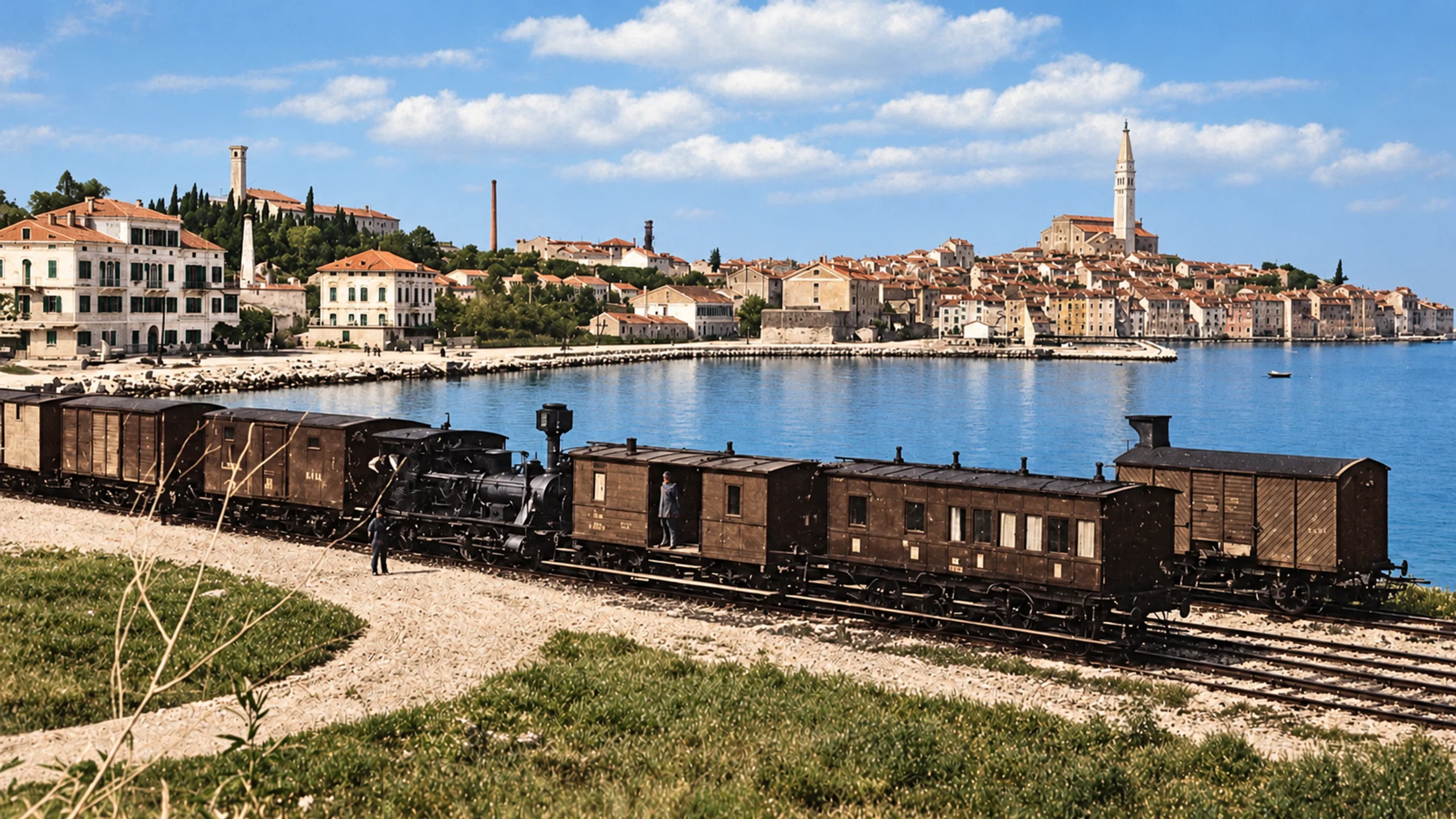
The railway as a prerequisite for development
iksHaus | KI-generiert nach redaktioneller Konzeption, 2026
Rovinj was chosen as the location for the sanatorium due to its natural environment and its coastal location, but the transportation links were also important. In 1876, the city was connected to the main Istrian railway line between Hrpelje-Kozina and Pula via a branch line of approximately 21 kilometers. This railway network connected Pula, the main naval port of the Habsburg Monarchy, with Vienna.
The 21-kilometer railway connection linked Rovinj to the broader transportation network of the Habsburg Monarchy, making travel and the transport of goods easier. The exact travel time between Vienna and Rovinj varied depending on the connections available at the time, but before the introduction of the railway, the journey by carriage from Vienna to the coast took around three days. After the construction of the railway, the fastest express trains could reach Pula from Vienna in less than 24 hours.
At that time, Rovinj was one of the more important industrial centers in the Margraviate of Istria. In addition to other manufacturing activities, the city had factories and workshops for processing tobacco, glass, wax, and fish. The tobacco factory, founded in 1872, played an important role in the economic development and local employment. The railway supported trade and industry and also made it easier for patients and visitors from more distant parts of the Monarchy to travel to the city. [1][6][7][8]
The sanatorium, therefore, did not develop in isolation from the economic life of the city. Its growth was linked to an infrastructure that gradually integrated Rovinj into the Central European region.
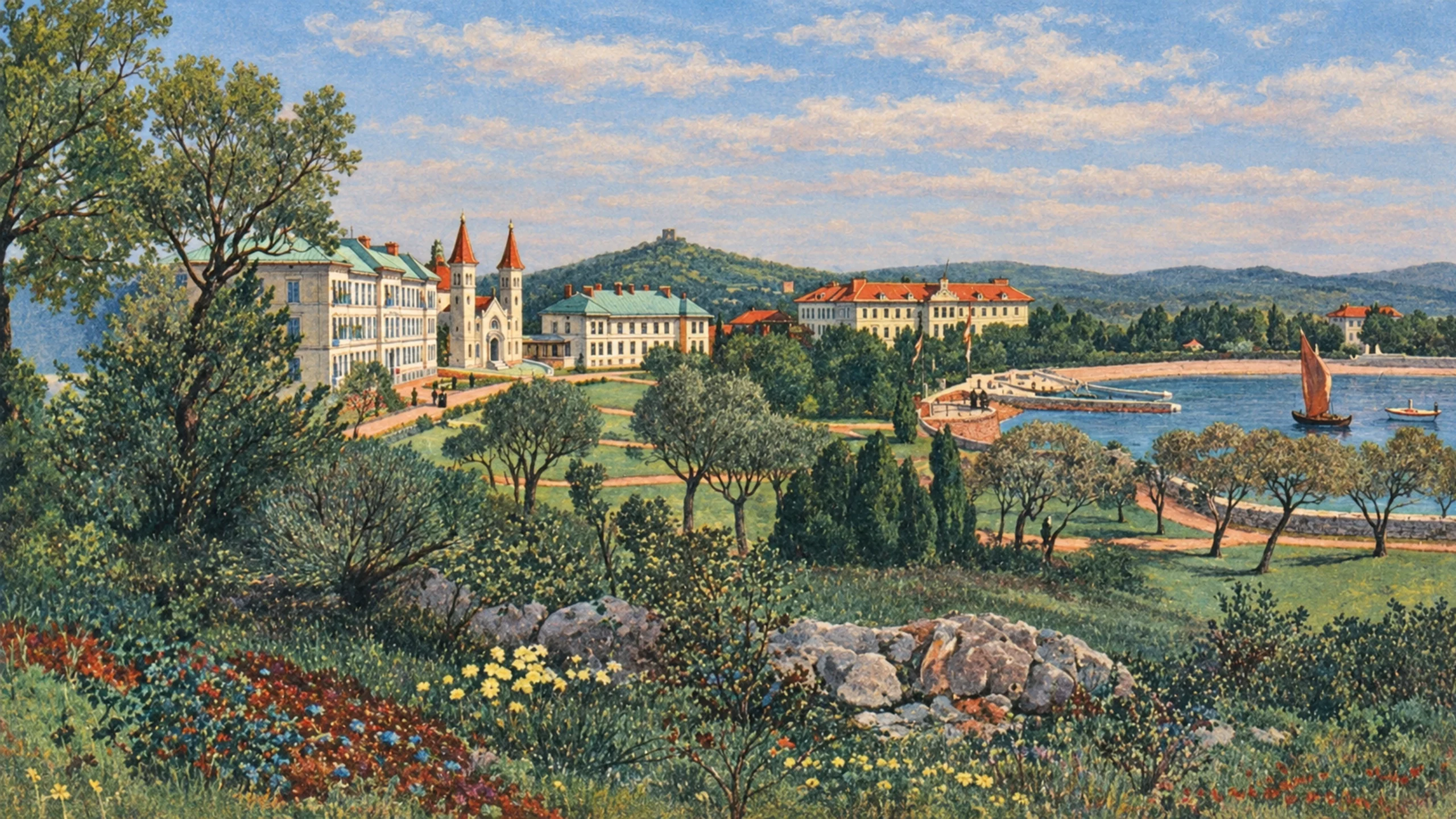
Matteo Campitelli and the modernization of Rovinj
iksHaus | KI-generiert nach redaktioneller Konzeption, 2026
The establishment of the sanatorium took place during a period of significant economic, infrastructural, and social changes. One of the individuals who recognized an opportunity to connect the city with the major development projects of the monarchy was Matteo Campitelli (1828 to 1906), an Istrian liberal politician and long-serving mayor of Rovinj.
Campitelli served as mayor from 1870 to 1889, a period during which Rovinj gradually became a more industrialized city with improved transportation links. His tenure included the opening of the tobacco factory in 1872 and the construction of the railway connection to Kanfanar in 1876, two developments that were important for the city’s economic growth.
His public service extended beyond economic matters. Campitelli contributed to the development of the education system in Rovinj and held several positions in the regional administration. He was a member of the Istrian Regional Assembly, served on the regional committee, and participated in the work of committees dealing with agriculture and reforestation.
His public service was recognized with imperial honors. In 1882, he received the Knight’s Cross of the Order of Franz Joseph, and later he was awarded the Commander’s Cross with Star of the same order. Within the system of public recognition at the time, these honors can be linked to his long years of service and his contributions to the city’s development, as well as to public affairs in Istria.
However, it is important to distinguish Campitelli’s contribution to the modernization of Rovinj from a direct role in the founding of the sanatorium. Historical accounts primarily attribute the establishment of the institution to the initiative of doctors Luigi Monti and Eduard Albert, as well as the patronage of Archduchess Maria Theresia. Campitelli’s significance lies in his position as one of the prominent representatives of the city administration during a time when the economic and social conditions for the further development of Rovinj were taking shape. His cooperation was also important to facilitate the project initiated by Albert and Monti. [9]
Karl Lueger and the social question in Vienna
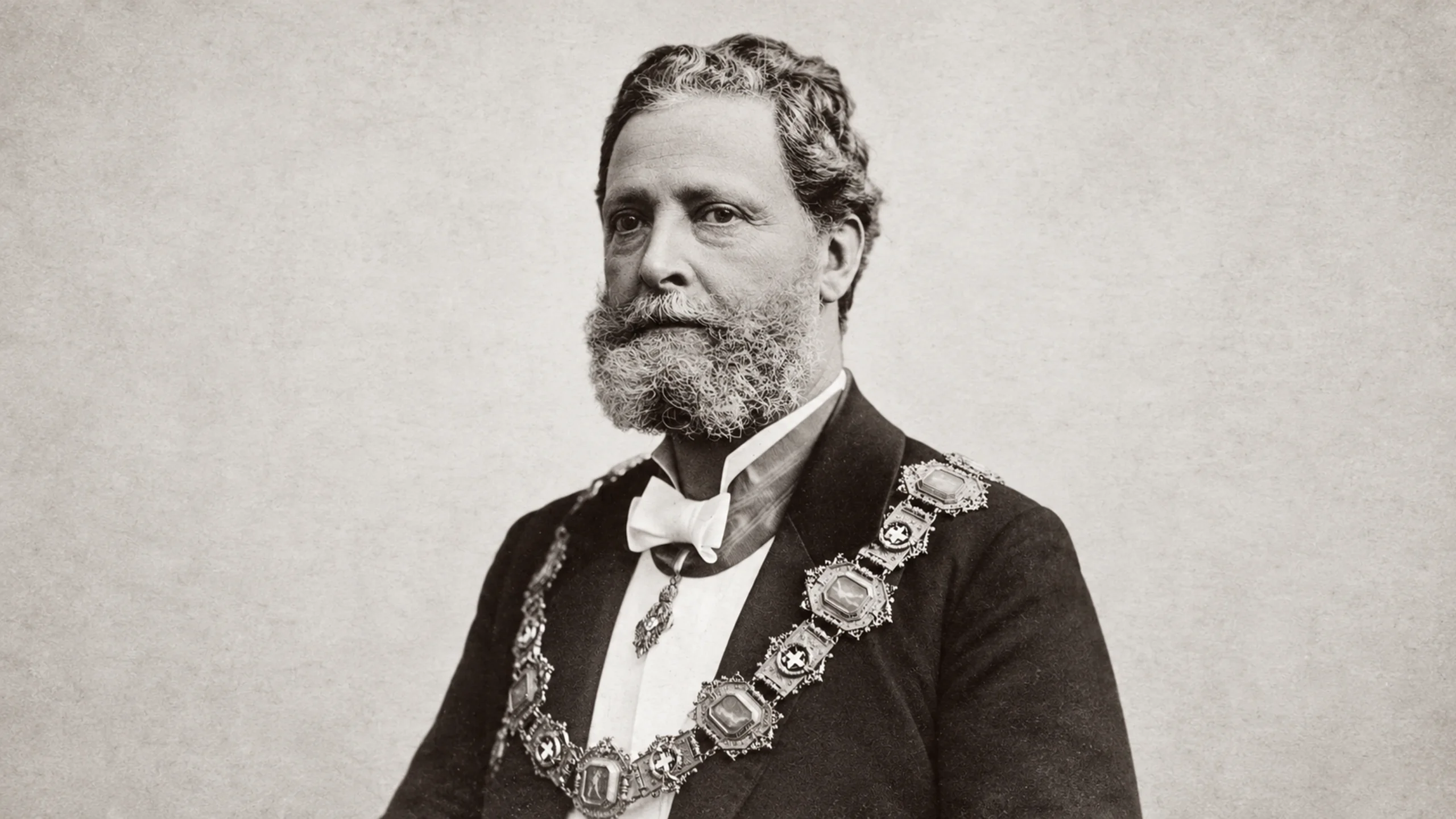
iksHaus | KI-generiert nach redaktioneller Konzeption, 2026
Before the city of Vienna took ownership of the sanatorium in 1906, its construction and early operation were supported by a combination of state funds, private donations, and contributions organized by an association dedicated to the establishment and promotion of seaside sanatoriums and shelters for sick children, particularly those suffering from scrofula and rickets. The association brought together members of the aristocracy and wealthy benefactors. The city of Vienna had already granted a subsidy of 30,000 crowns in 1904, before formally taking ownership and administration of the institution. In the early 20th century, the sanatorium was expanded and developed under the administration of the city of Vienna and became known as the Seehospiz St. Pelagio of the City of Vienna. The regional newspaper Glas Istre connects this development with the initiative of the mayor of Vienna, Karl Lueger, who visited the Seehospiz in 1907 and led the city administration from 1897 to 1910. During this time, the hospital church “Our Lady, Queen of the Sea,” also known as Stella Maris, was also built. The attribution of the church’s design to the Viennese architect Wilhelm Stiassny remains more of a hypothesis than a confirmed fact. [11][12][26][30]
Lueger’s interest in the institution in Rovinj should be considered in the context of the broader transformation of Vienna at the turn of the 20th century. The city experienced rapid urbanization, population growth, and the expansion of industrial society. Housing, poverty, hygiene, education, and healthcare became increasingly important issues in local politics.
Lueger’s administration was associated with the development of municipal services and the expansion of public infrastructure. In this context, taking responsibility for an institution beyond the city limits can be seen as an example of public investment in the healthcare of people whose access to treatment was limited.
Nevertheless, Lueger’s historical legacy requires a critical and nuanced assessment. He was an influential politician who combined municipal modernization and social policy with populist rhetoric and pronounced anti-Semitism. Therefore, his role in the sanatorium in Rovinj should not be portrayed as a simple narrative of a humanitarian mayor. It is important to distinguish the specific effects of public policy from the broader political ideology of the person who implemented it.
The historical significance of this episode lies in the fact that the care for sick children became part of the institutional responsibility of a major city, rather than remaining an occasional activity undertaken by a single benefactor or mayor. The city of Vienna took responsibility for the maintenance and expansion of an institution that served people beyond its own territory.