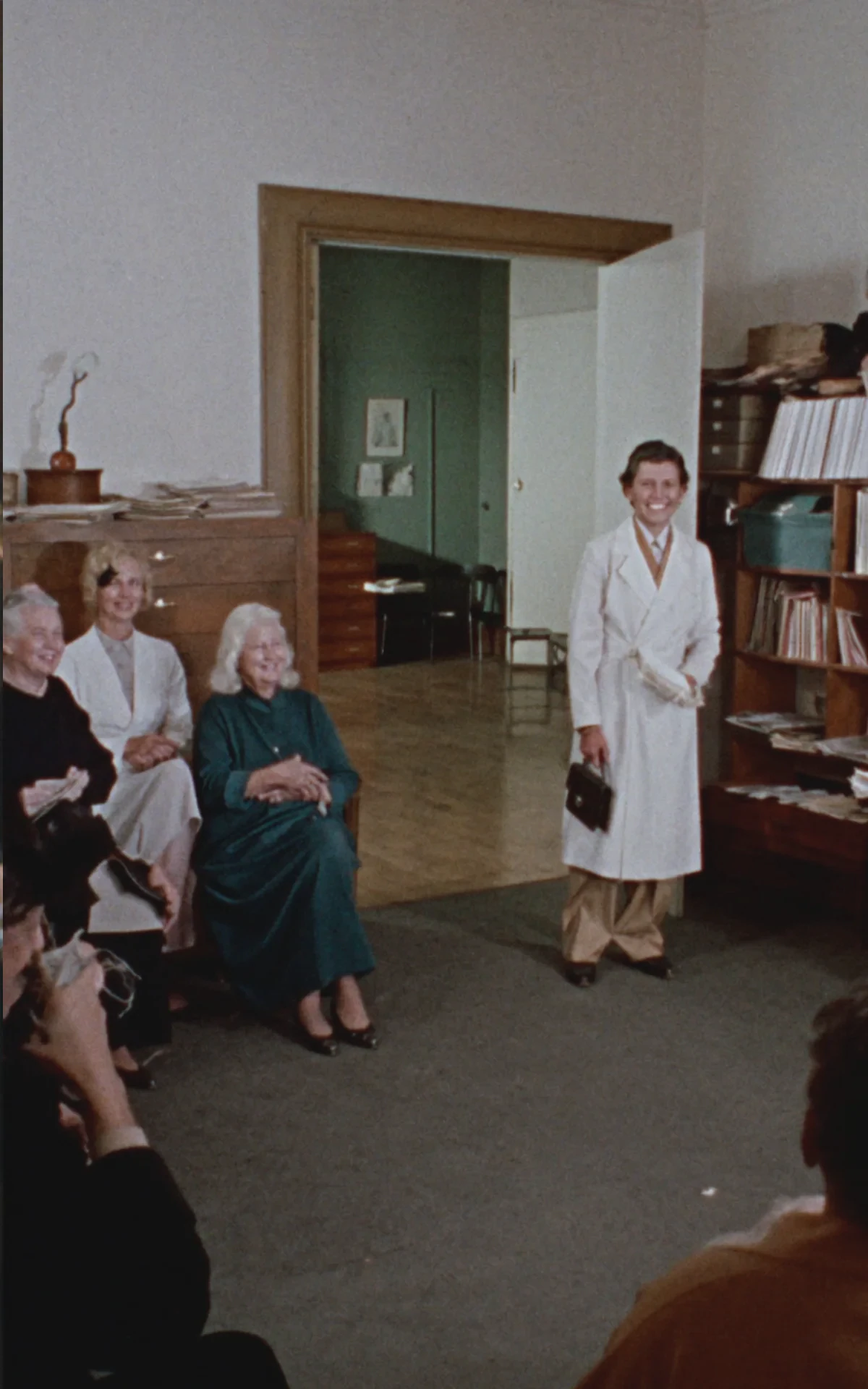
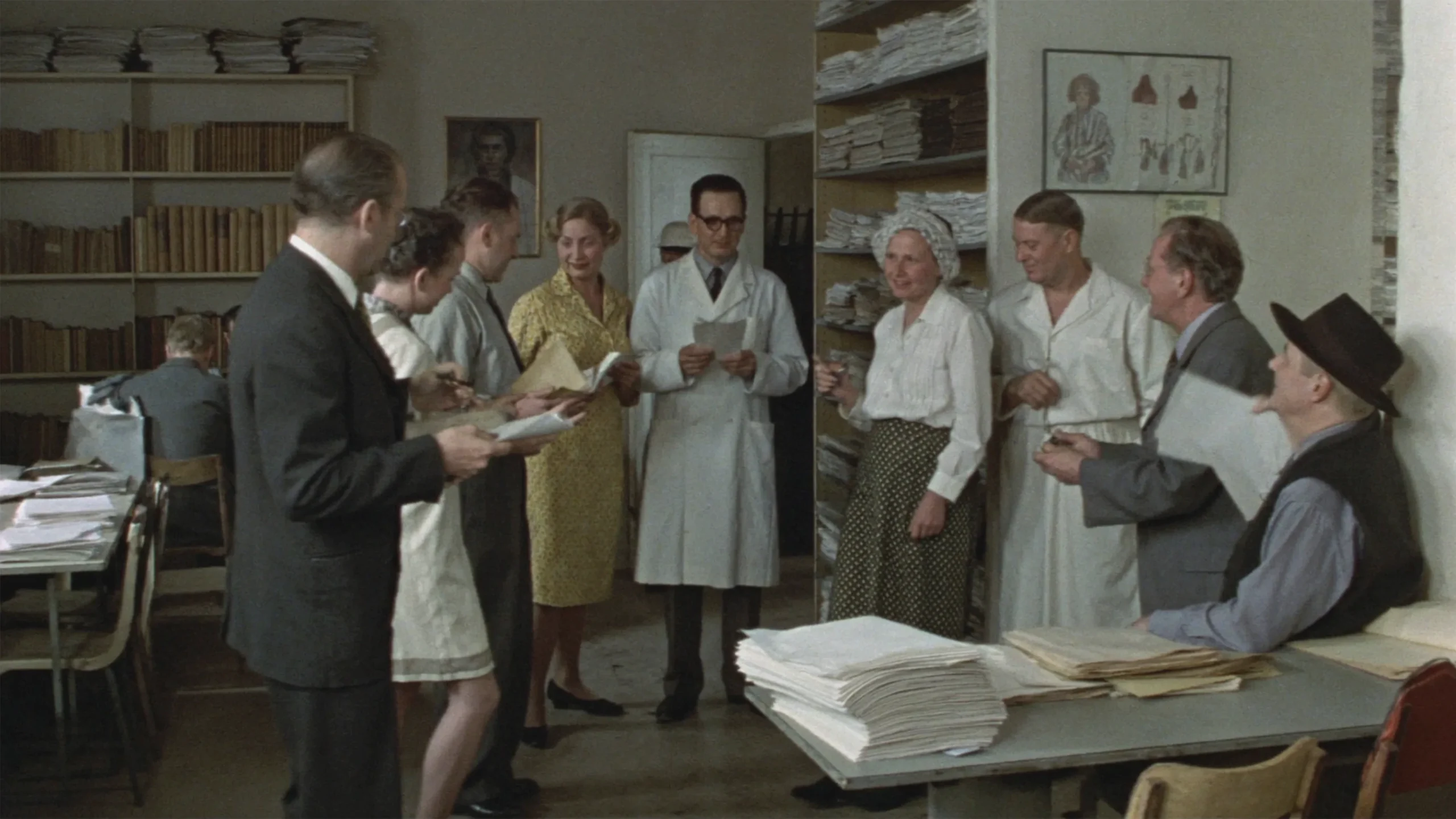
Magnus Hirschfeld’s Institute combined research, medical treatment, sexual counseling, education, and political work from 1919. People could express questions there that had little room elsewhere.
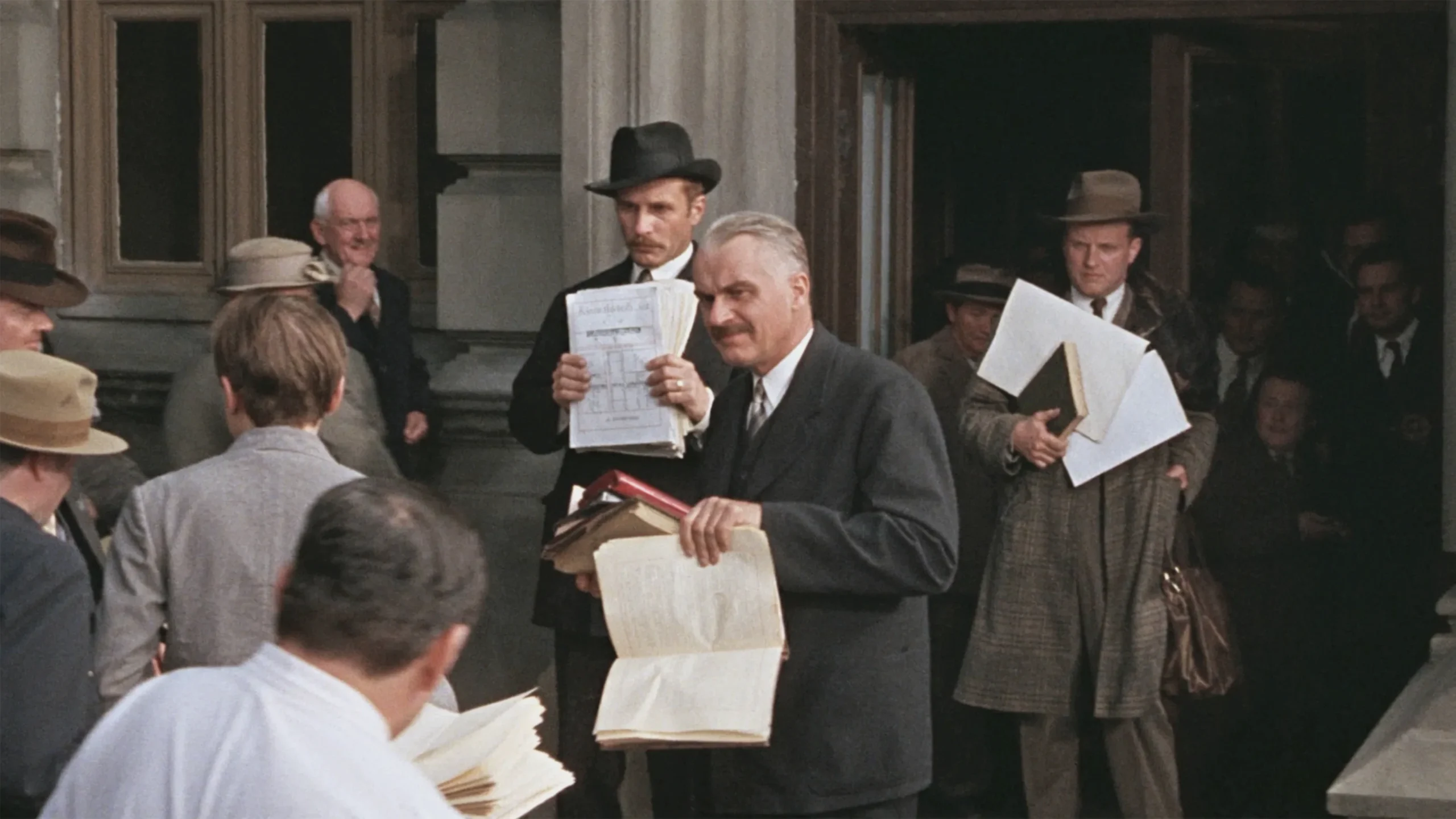
In May 1933, Nazi students and SA members plundered the Berlin Institute. Books, files, photographs, and objects were taken away. Some of these were burned a few days later in the Opera Square. Hirschfeld witnessed the destruction from abroad and later saw, in a Paris cinema, how his bust was also thrown into the fire.
Magnus Hirschfeld’s Institute combined knowledge and assistance
iksHaus | KI-generiert nach redaktioneller Konzeption, 2026
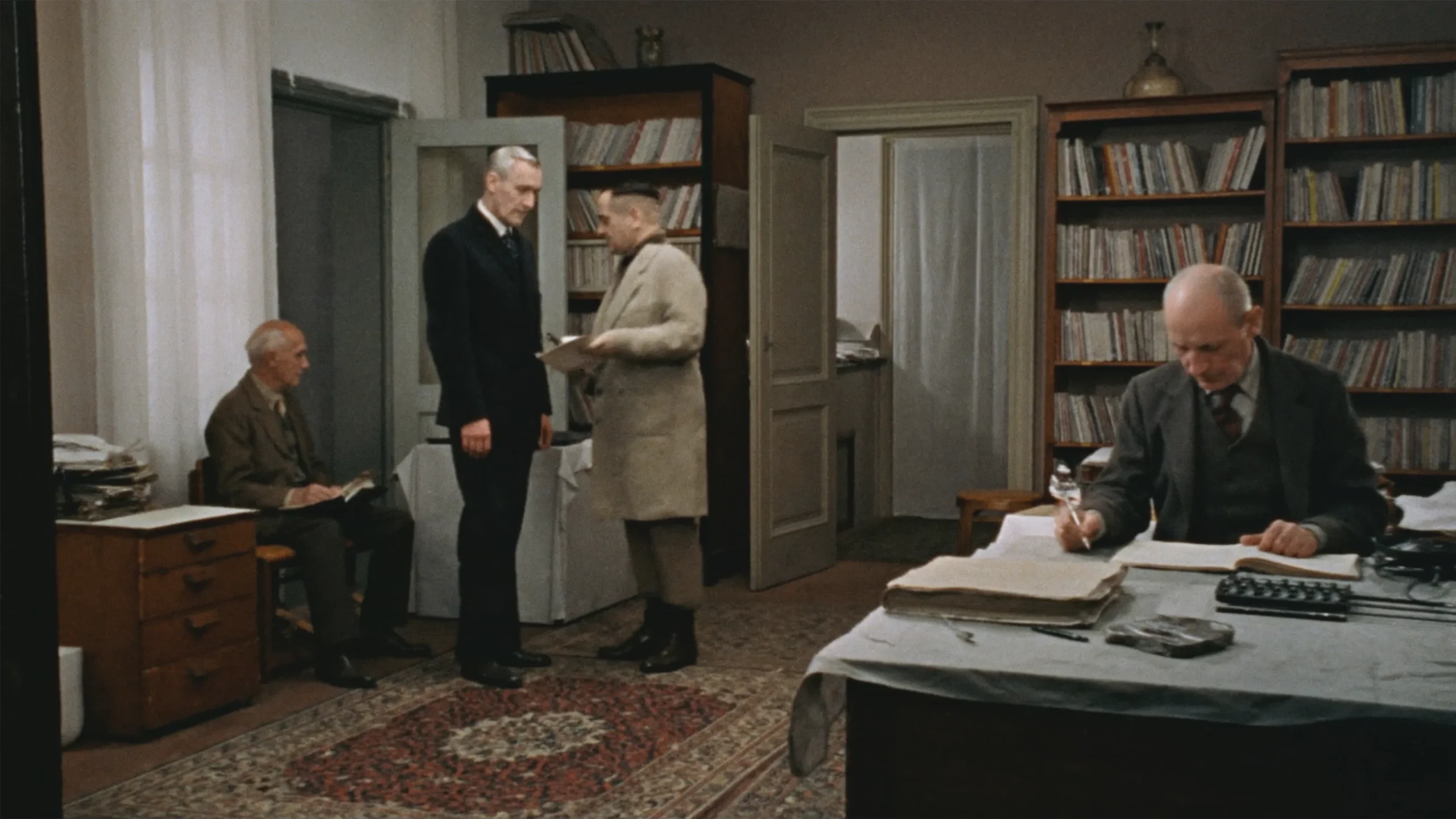
Magnus Hirschfeld was a doctor, sex researcher, political activist, and a well-known voice in the early homosexual emancipation movement. As a Jewish intellectual with socialist and pacifist leanings, he was early on the target of antisemitic and homophobic attacks.
His work was based on the experiences of people who lived under social contempt, the threat of punishment, and family pressure. Hirschfeld rejected the idea that same-sex desire was a moral choice that should be corrected with punishment or shame. He understood sexual and gender diversity as part of human nature.
The institute, which opened in 1919, was not an ordinary academic institution. It collected books, photographs, medical reports, and cultural artifacts, hosted lectures, and trained professionals. At the same time, it offered counseling and treatment to people with limited financial resources. Some of the terms and classifications from that time are now considered outdated. However, what was crucial was the attempt to understand diversity, rather than to eliminate it.
Clinic, archive, and temporary home
iksHaus | KI-generiert nach redaktioneller Konzeption, 2026
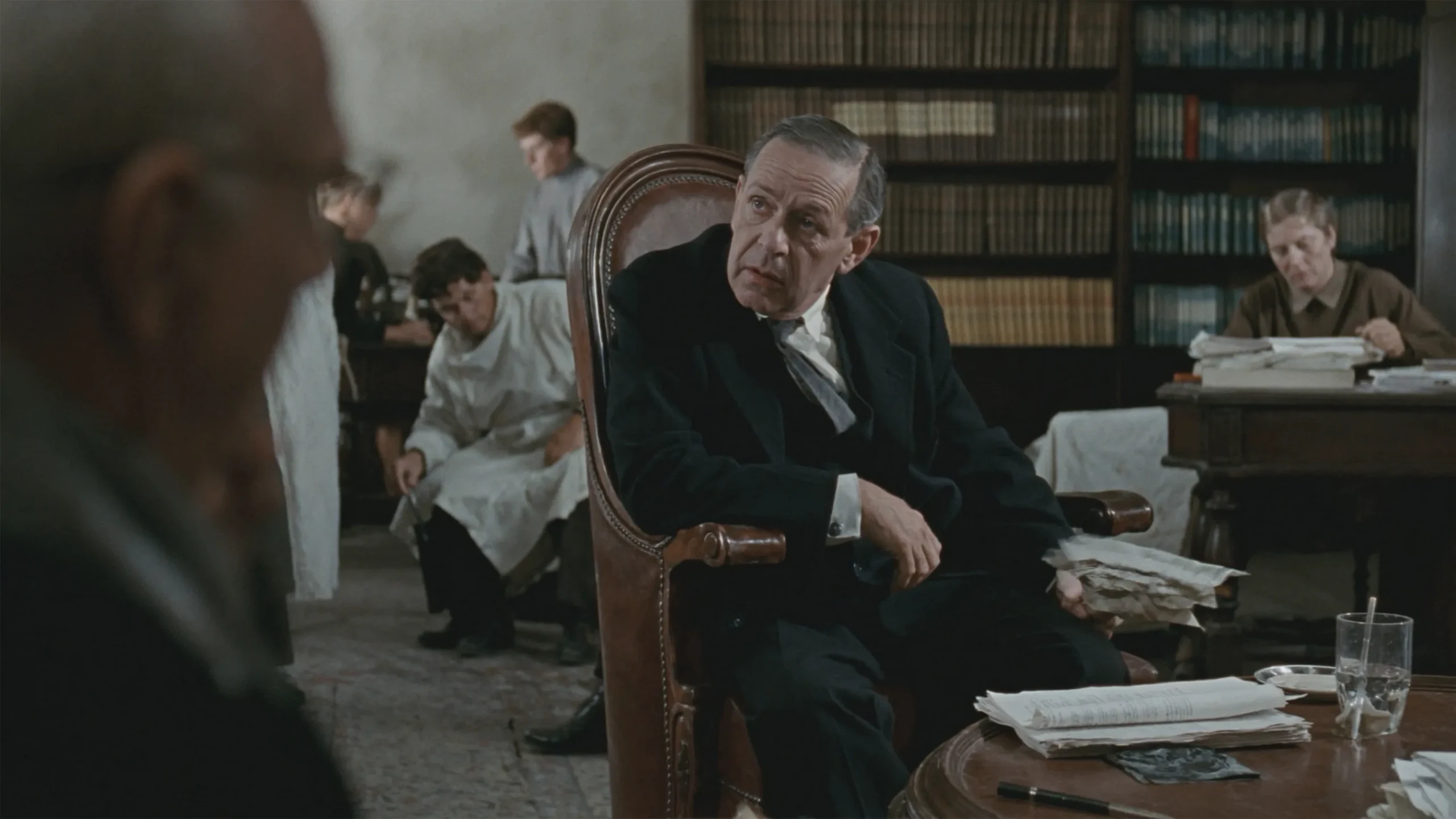
Hirschfeld himself lived at the institute. His partner, Karl Giese, also worked there, managing the library and archive. Research, private life, and political engagement were closely intertwined in this house.
For some patients, the institute also served as a temporary home. Those who could not afford treatment could work there. People who had been forced out of their families, professions, or homes found a place where their existence was not fundamentally denied.
The institute also advised people who were then described as transvestites or as sexual intermediates. These historical categories do not fully correspond to today’s terms for transgender, intersex, or non-binary people. The institute supported documents and medical certificates that could facilitate a life in self-chosen clothing. Doctors also accompanied early gender-affirming treatments. Not every theory or treatment of that time corresponds to today’s ethical standards.
The attack on the institute in May 1933
iksHaus | KI-generiert nach redaktioneller Konzeption, 2026
In May 1933, Nazi students marched to the institute. Accompanied by SA members, they broke into the building, plundered the rooms, and carried out books, files, pictures, and objects. The attack was announced, photographed, and publicly staged as a political action.
A few days later, part of the stolen material was burned in the Berlin Opera Square. Hirschfeld’s writings were there alongside works by other Jewish, pacifist, left-wing, and regime-critical authors.
The loss of medical and biographical documents was particularly serious. They contained intimate life stories that had been collected under confidential conditions. Now, parts of these documents fell into the hands of a regime that wanted to persecute these very people.
Political work against Paragraph 175
The institute maintained close contact with the movement against Paragraph 175. Hirschfeld had previously been involved in an organization that advocated for the repeal of the law. Research aimed to demonstrate that the state should not punish intimate relationships between adult men.
For his opponents, Hirschfeld represented a societal change. He was Jewish, internationally connected, and spoke publicly about sexuality. The attack on the institute was therefore also directed against Jewish knowledge, sexual reform, democratic public discourse, and queer self-organization.
A life’s work in exile
After the destruction, Hirschfeld never returned to Germany. In exile, he tried to continue his work. However, the network of employees, patients, activists, and collections could not be recreated in another location.
Hirschfeld died a few years later in France. Karl Giese saved parts of his personal estate, but a large part of the library and archive was lost. Individual books reappeared decades later. Stamps, dedications, and handwritten notes indicated their origin.
Why the loss continues to have an impact today
With the destruction of the institute, research lines were broken, biographical evidence disappeared, and queer people lost an institution that combined medical care with political recognition.
After the war, no equivalent reconstruction took place. Many people for whom Hirschfeld had fought remained criminalized or socially ostracized. The significance of the institute therefore lies not only in its collection, but also in the people who were treated, protected, and taken seriously there.