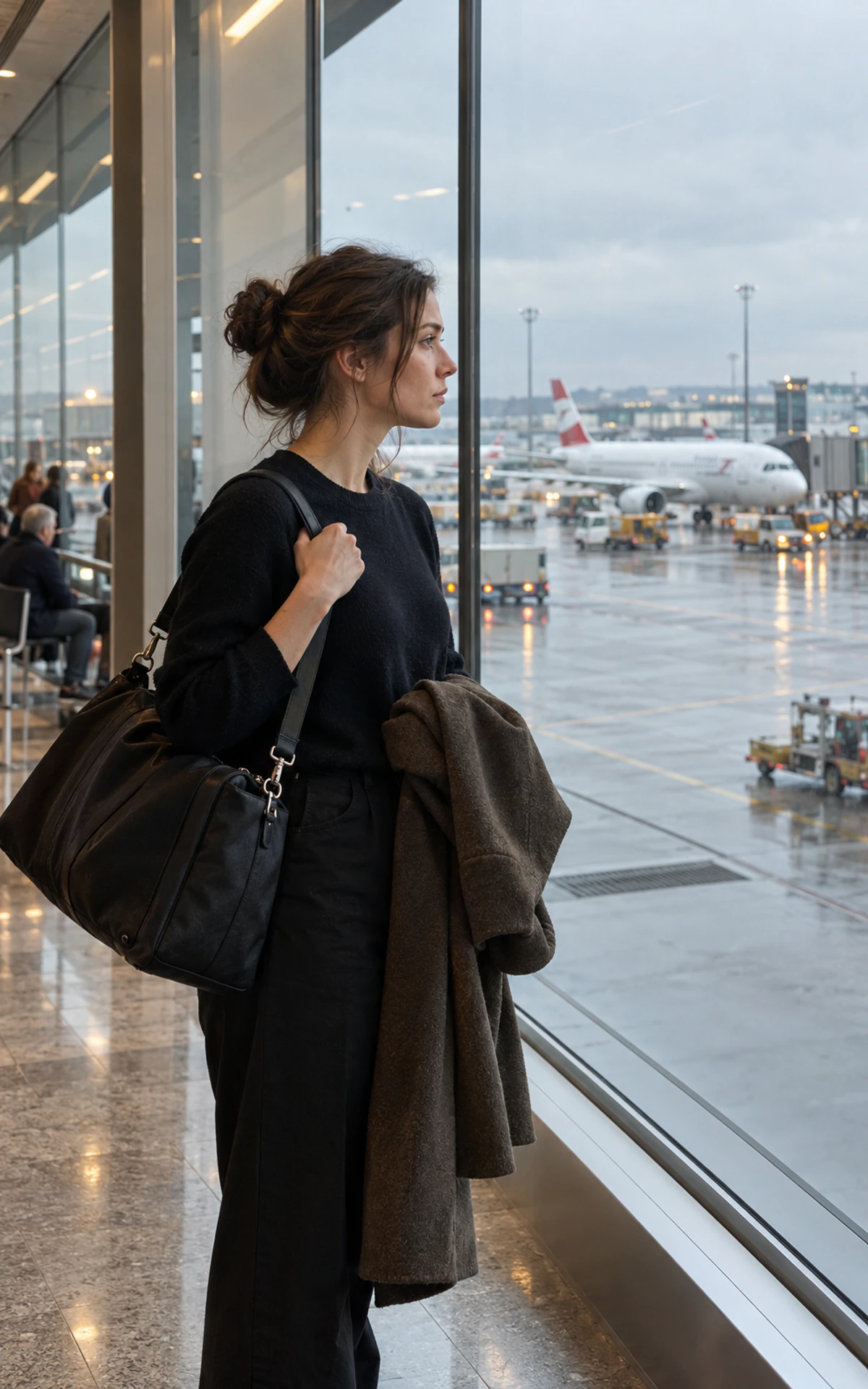
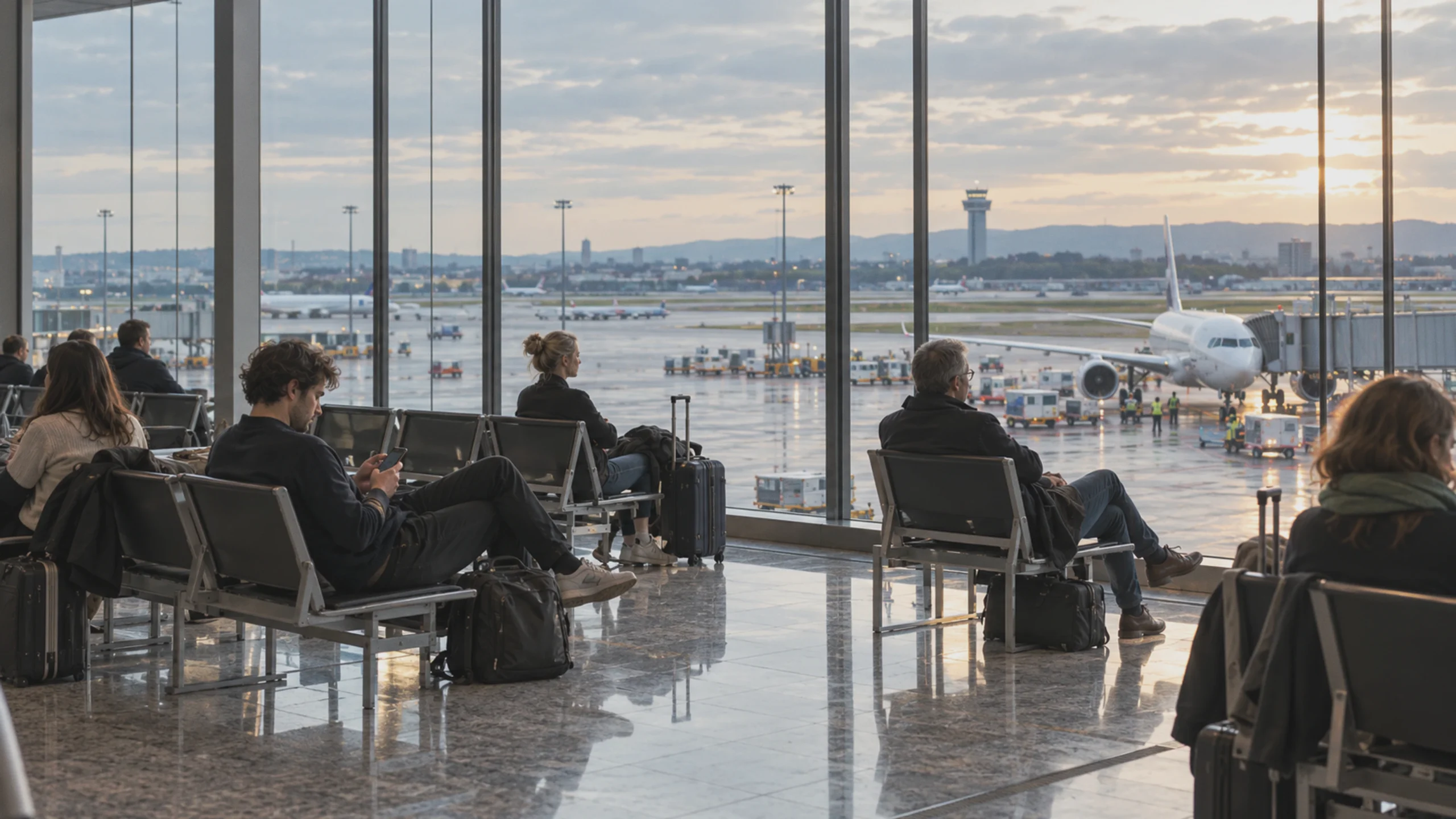
Ryanair CEO Michael O’Leary has sharply criticized European aviation policy and accused Ursula von der Leyen, President of the European Commission, and the European Parliament of failing to improve the competitiveness of the industry. In an interview with Euronews on October 20, 2026, he argued that environmental levies and other political decisions are increasing the cost of flying, while consumers continue to seek lower fares.
O’Leary also warned that European airfares could increase by 10 to 20 percent in 2027. He linked this forecast to higher fuel costs and a reduction in available flight capacity. His comments came at the same time as Ryanair announced that it would shorten its Belgian winter flight schedule following an increase in the country’s air passenger tax.
His comments pose a significant challenge to European policymakers: How should the costs of the environmental impact of air travel be distributed, and what consequences could taxation and regulation have for competition between airlines and for ticket prices? For passengers with low incomes, the debate also has a social dimension.
Affordable flights can enable people to travel who would otherwise be financially excluded, including some people with disabilities and individuals from lower socioeconomic backgrounds.
O’Leary’s criticism of Ursula von der Leyen

iksHaus | KI-generiert nach redaktioneller Konzeption, 2026
O’Leary used unusually strong language to criticize the political leadership of the EU. Euronews reported that he described von der Leyen as “useless” and the European Parliament as a “ship of fools.” He accused the Commission President of talking about competitiveness without taking sufficient measures to implement it.
These are O’Leary’s assessments, not neutral descriptions of EU policy. His broader argument is that European institutions are introducing or maintaining rules that, in his view, make flying more expensive and weaken the position of European airlines. He called on political decision-makers to focus more directly on competitiveness and on the consequences of regulation for passengers.
Which aviation levies does O’Leary criticize?
iksHaus | KI-generiert nach redaktioneller Konzeption, 2026
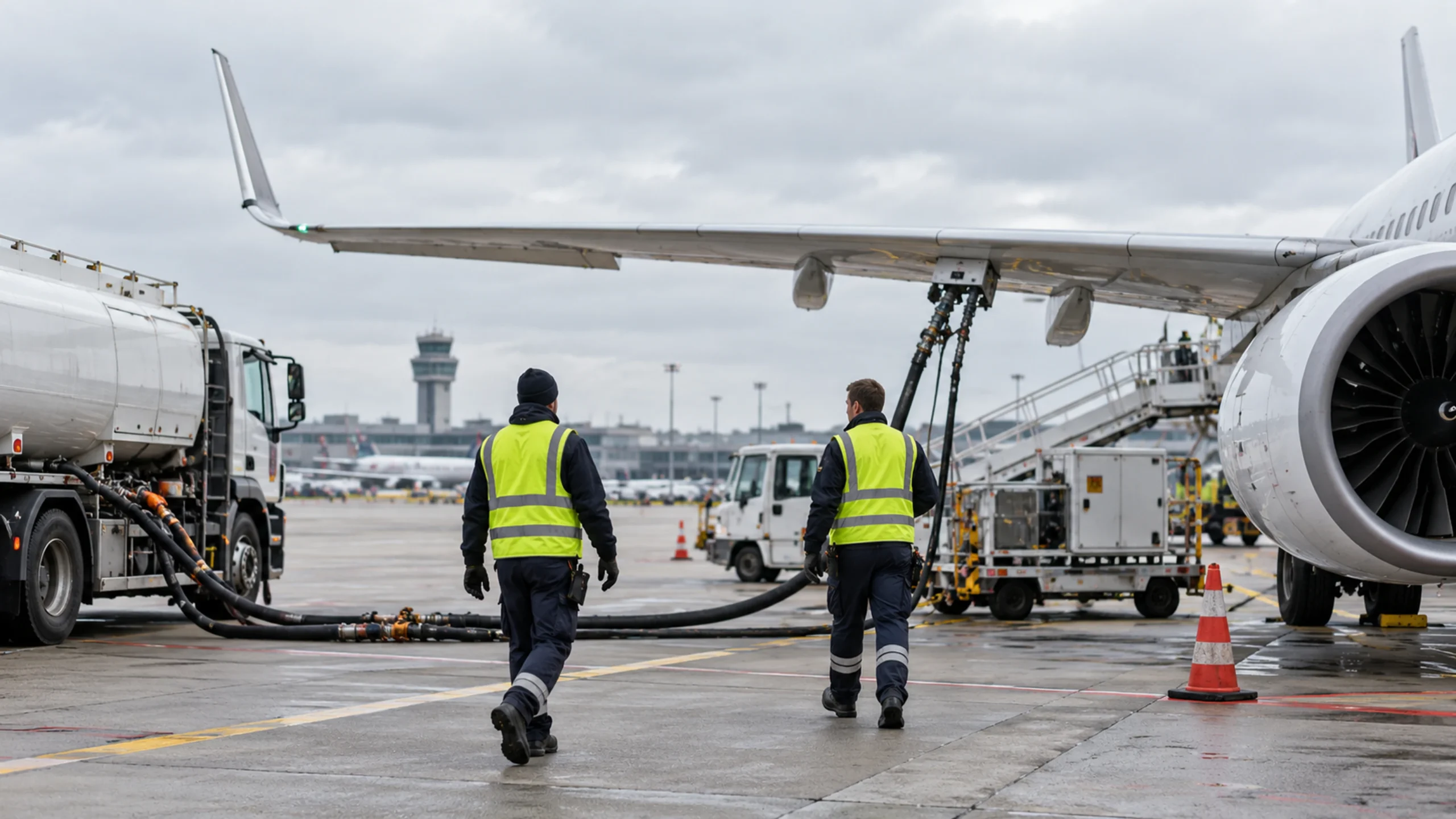
A central theme in the interview is the handling of emissions from air travel. O’Leary opposes EU environmental levies, which, according to him, apply to flights within the bloc, while many long-haul routes operated by American, Asian, and Chinese airlines are subject to a different framework. He argues that airlines flying from outside the EU to Europe should be subject to comparable levies.
This is a political demand from O’Leary; it should not be understood as a new, general emissions tax on all American or Asian airlines that has already been implemented. Euronews reported that long-haul flights are covered by a less stringent UN system for CO2 offsetting, and that the European Commission has proposed extending the EU levy to some flights departing from Europe starting in 2029. According to the proposal described by Euronews, some routes would be included, while longer segments and certain arriving flights would continue to be excluded.
O’Leary’s position is that a more uniform approach would prevent European airlines from bearing a disproportionate burden in competition with international providers. The broader political debate encompasses both the design of climate measures and the question of how unintended competitive effects can be avoided.
Belgium's passenger tax and Ryanair's route cancellations
iksHaus | KI-generiert nach redaktioneller Konzeption, 2026
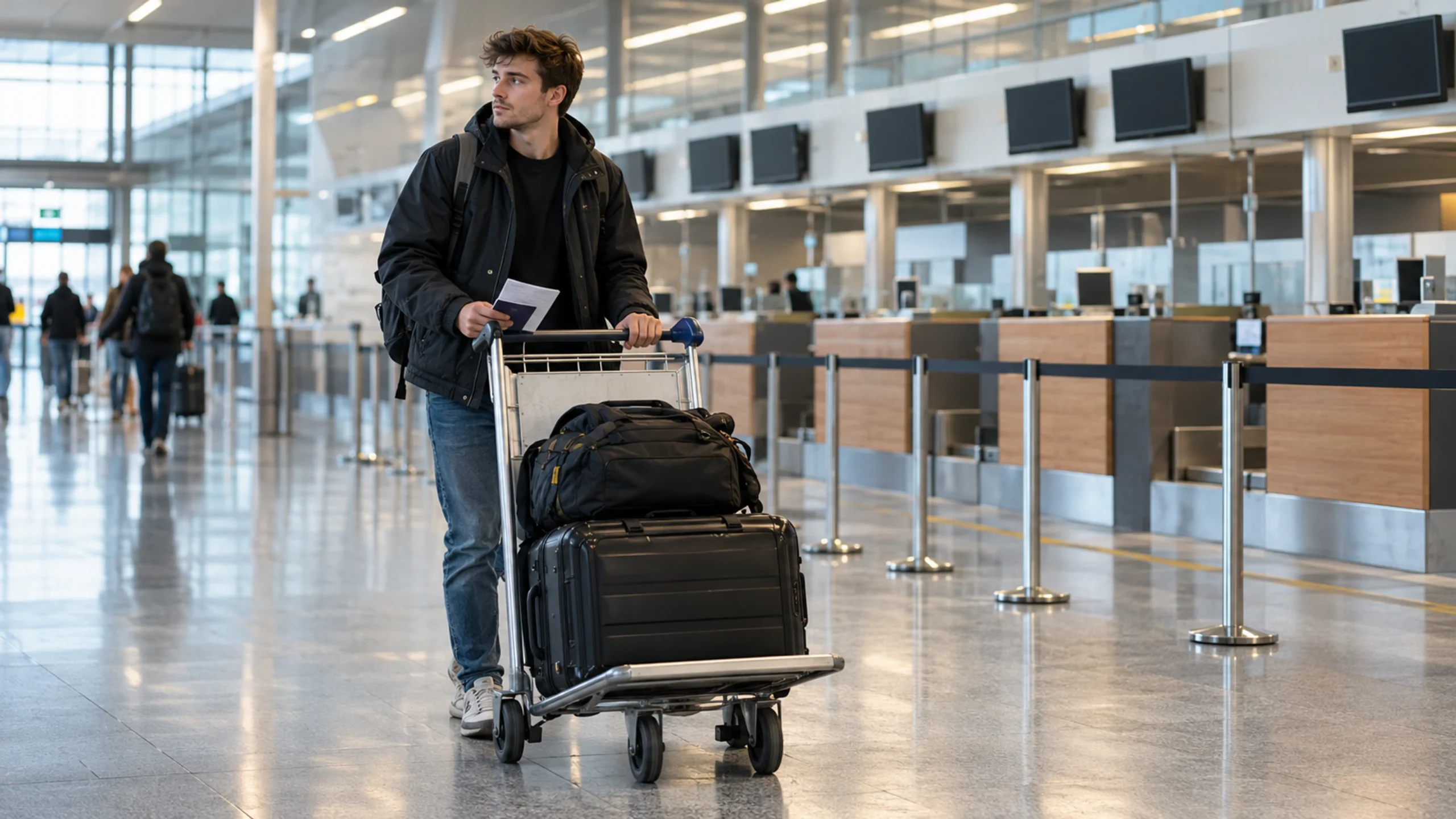
Belgium is the immediate example in O’Leary’s criticism of national aviation taxation. Euronews reported that the Belgian air passenger tax is scheduled to increase from 2 euros to 7 euros per ticket in January 2027. Ryanair announced that it would cut 20 routes and approximately 1.1 million seats from its Belgian winter flight schedule, citing the higher tax as the reason, and stated that it would relocate six aircraft to more cost-effective European markets.
This Belgian passenger tax is a national measure and must be distinguished from the EU environmental levies discussed above. O’Leary argues that higher national taxes make some markets less competitive and influence where airlines station aircraft and schedule flights.
For passengers, fewer routes and seats could mean fewer direct connections or a smaller selection of departure times.
The actual impact will vary depending on the route and available alternatives. Ryanair’s decision is the company’s response to the tax increase; it does not, in itself, prove that every connection or ticket will become more expensive.
A warning about higher airfares in 2027
iksHaus | KI-generiert nach redaktioneller Konzeption, 2026
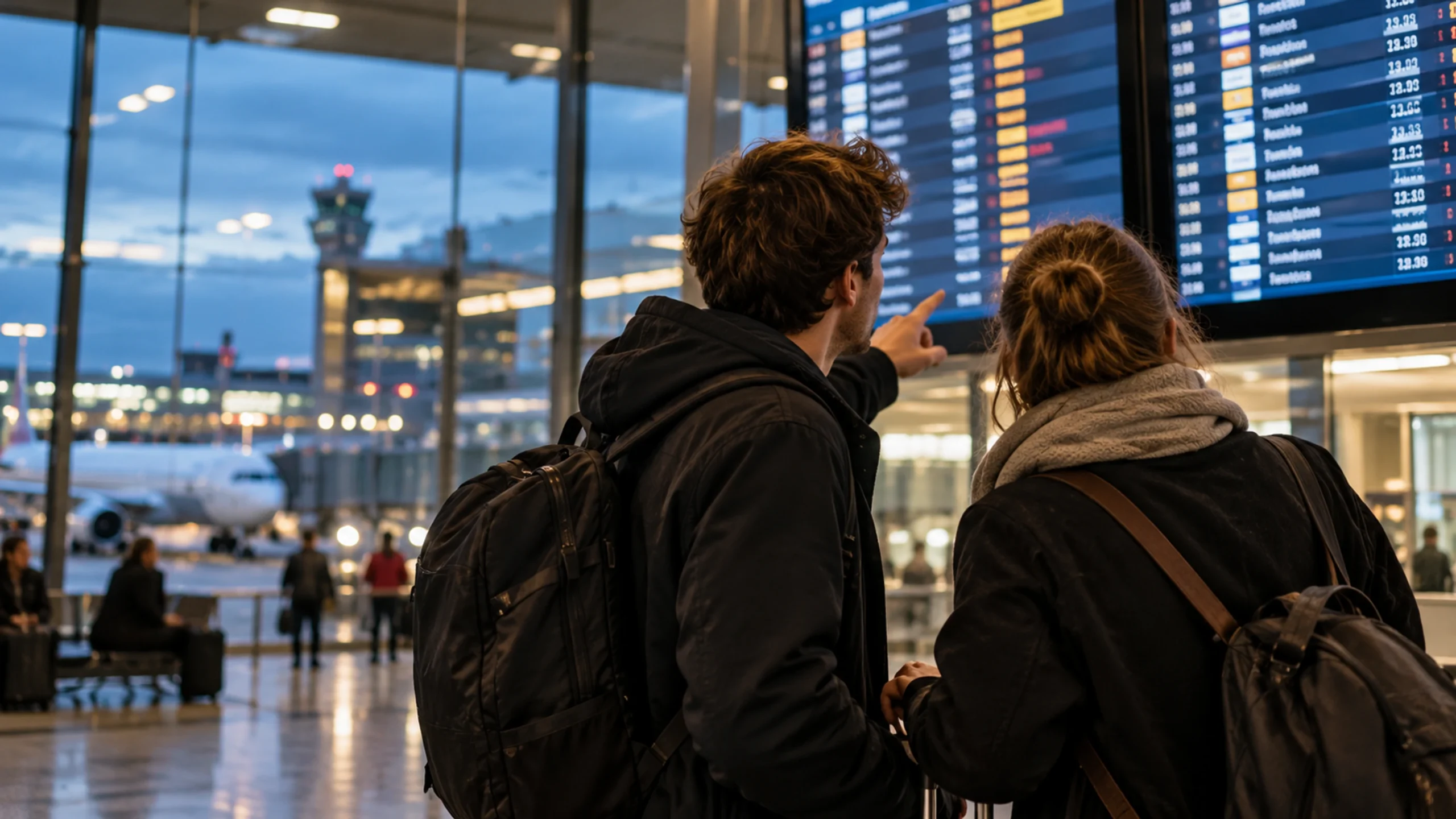
O’Leary predicted that European airfares could increase by 10, 15, or even 20 percent in 2027, calling it potentially the largest increase in the history of the European market. He cited higher fuel costs and reduced capacity as key drivers. Euronews reported that Ryanair had hedged a significant portion of its fuel for 2026 at around $67 per barrel, while O’Leary expected a significant increase in his effective oil price for 2027 as that hedging runs out.
This forecast is O’Leary’s personal prediction and is not a guaranteed outcome. Future fares will depend on fuel prices, demand, competition, airline capacity, and other market conditions. He stated that Ryanair will not introduce fuel surcharges, but expects that higher fuel costs will be reflected in ticket prices.
For travelers, the concern is practical: if airfares rise, some trips become harder to afford. A ticket price can determine whether someone can visit family, maintain friendships across borders, participate in cultural life, or travel for educational and work purposes.
Why affordable air travel matters for social participation

iksHaus | KI-generiert nach redaktioneller Konzeption, 2026
Affordable air travel can be particularly important for people with limited financial resources. Low fares can enable people to take trips that would otherwise exceed their budget. This can be relevant for younger travelers, people with lower incomes, and some people with disabilities, for whom travel costs are one of several barriers to participating in social and cultural life.
For people with disabilities, affordability is only one aspect of accessibility. Suitable airport facilities, assistance services, clear information, and reliable support can also be essential. The total cost of a trip includes more than just the ticket: transportation to and from the airport, baggage, accommodation, and other expenses often determine whether a trip is even feasible.
Despite these caveats, the ticket price remains a significant threshold. When affordable fares are available, some travelers can maintain family relationships, visit friends, or take advantage of opportunities in other countries.
If fares rise, people with lower disposable incomes may have fewer alternatives and may be more likely to forgo a trip.
This is the social dimension of the debate that O’Leary’s statements raise. The question is not only about how airlines compete or how governments shape environmental policy, but also about how travel costs affect the ability to participate in social life beyond one’s immediate surroundings. Affordable air travel does not guarantee social inclusion, but high prices can create an additional barrier.
Who will still be able to afford to fly?
O’Leary’s interview brings together several points of contention: EU environmental levies, national passenger taxes, the competition between European and non-European airlines, and the prospect of higher fuel costs. He calls for European decision-makers to reconsider measures that he believes increase the cost of flights and weaken the competitiveness of European airlines.
His claims and predictions reflect his own position in an ongoing political debate. The route cancellations in Belgium and the predicted fare increase provide the context for his warning, but they do not address the more fundamental question of how air travel should be taxed and how environmental goals should be achieved.
For passengers with lower incomes and people with disabilities, the affordability of travel can extend beyond simple vacation considerations. It can be a deciding factor in whether a trip can happen at all. While Europe debates the future of air travel, access to affordable fares remains a relevant part of the debate about who can participate in cross-border social, family, and cultural life.
Sources and links
Simon Ormiston and Méabh Mc Mahon, Euronews, October 20, 2026: Ryanair CEO calls EU chief Ursula von der Leyen “useless” and demands a tax on US and Chinese airlines.
Euronews video interview, October 20, 2026: The Ryanair CEO called Ursula von der Leyen “useless.”
Doloresz Katanich, Euronews, October 21, 2026: Ryanair CEO predicts biggest airfare rise in European history.