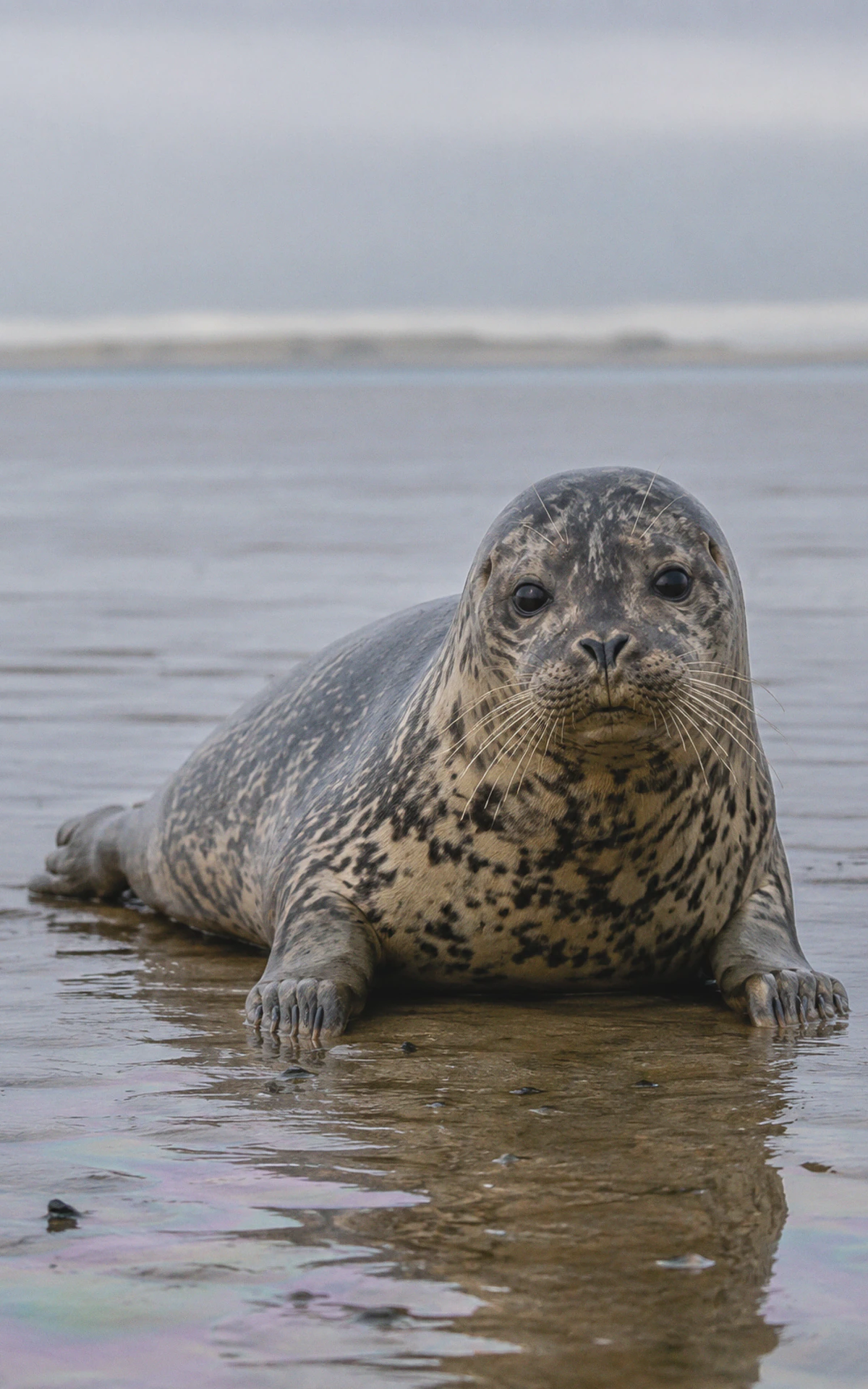
Seals in the North Sea are in the focus due to new figures. On August 28, 2026, the LAVES counted 7,957 animals in the Lower Saxony Wadden Sea, including 2,395 pups. Compared to 2025, the total number decreased, while the number of pups increased slightly. At the same time, figures of 23,700 animals and an increase of 14 percent are circulating. However, these figures belong to a different statistical context.
What do the figures for seals in the North Sea show in 2026?
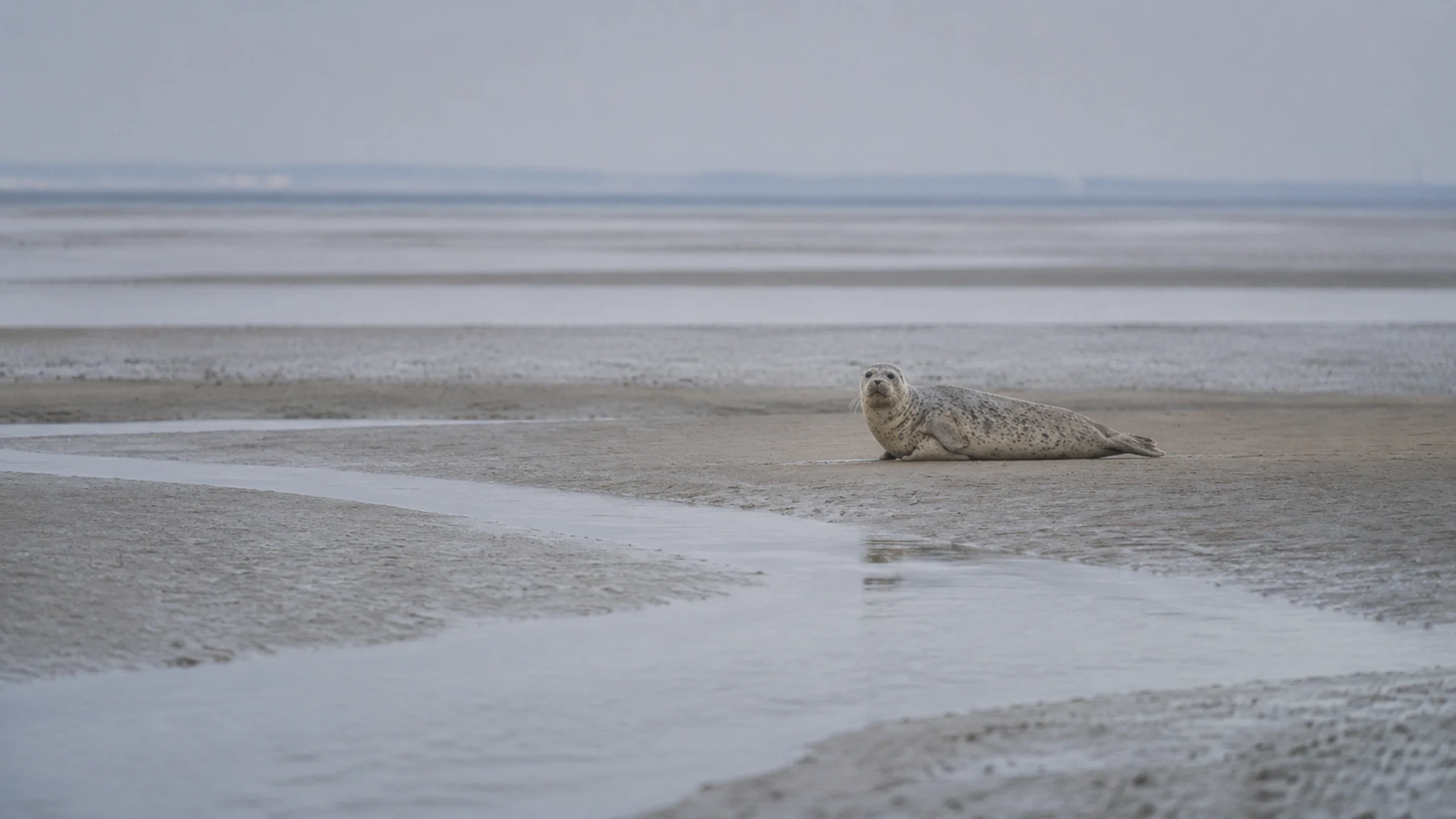
iksHaus | KI-generiert nach redaktioneller Konzeption, 2026
The final report is based on counts conducted between June 9 and August 21, 2026. The Lower Saxony coastal area was divided into a western section from the Dollart to Wangerooge and an eastern section from the Jadebusen to the Elbe, via Mellum and Cuxhaven. The teams flew when the tide was suitable and the weather was as calm as possible. Many seals rest on sandbanks and can be counted from the air. Only two flights had to be postponed due to the weather.
The monitoring program is not a snapshot of a single day. Lower Saxony has been systematically recording the population since 1958. This long data series is important because weather conditions, tranquility at the resting places, and the timing of the molting period can influence individual summer values.
In 2026, 7,957 seals were counted. In the previous year, there were 8,443. The difference is 486 animals, which is approximately 5.8 percent. The official press release mentions a decrease of almost 450 animals. However, the published initial figures result in 486. This does not change the assessment of the trend. The LAVES considers the result to be a normal fluctuation and continues to describe the population as stabilized at a high level.
“While this represents nearly 450 fewer harbor seals compared to the previous year, it is a result that falls within the range of normal fluctuations,” stated LAVES, the responsible Lower Saxony specialist authority.
A count is not equivalent to a complete population survey. It only includes the animals that are visible on the resting places during the defined time window. Animals in the water may not be counted. This method is therefore particularly suitable for comparing standardized time series.
A different picture emerges for the young animals. In 2026, 2,395 were counted, which is 60 more than in 2025, an increase of approximately 2.6 percent. LAVES has not yet reported any indications of major viral diseases such as phocine distemper or H5N1 in the animals examined. Parasites in the lungs and intestines are present and are being further monitored. A higher number of young animals can coexist with a lower overall count, without a clear cause being able to be derived from this.
Why is 23,700 not the current state value?
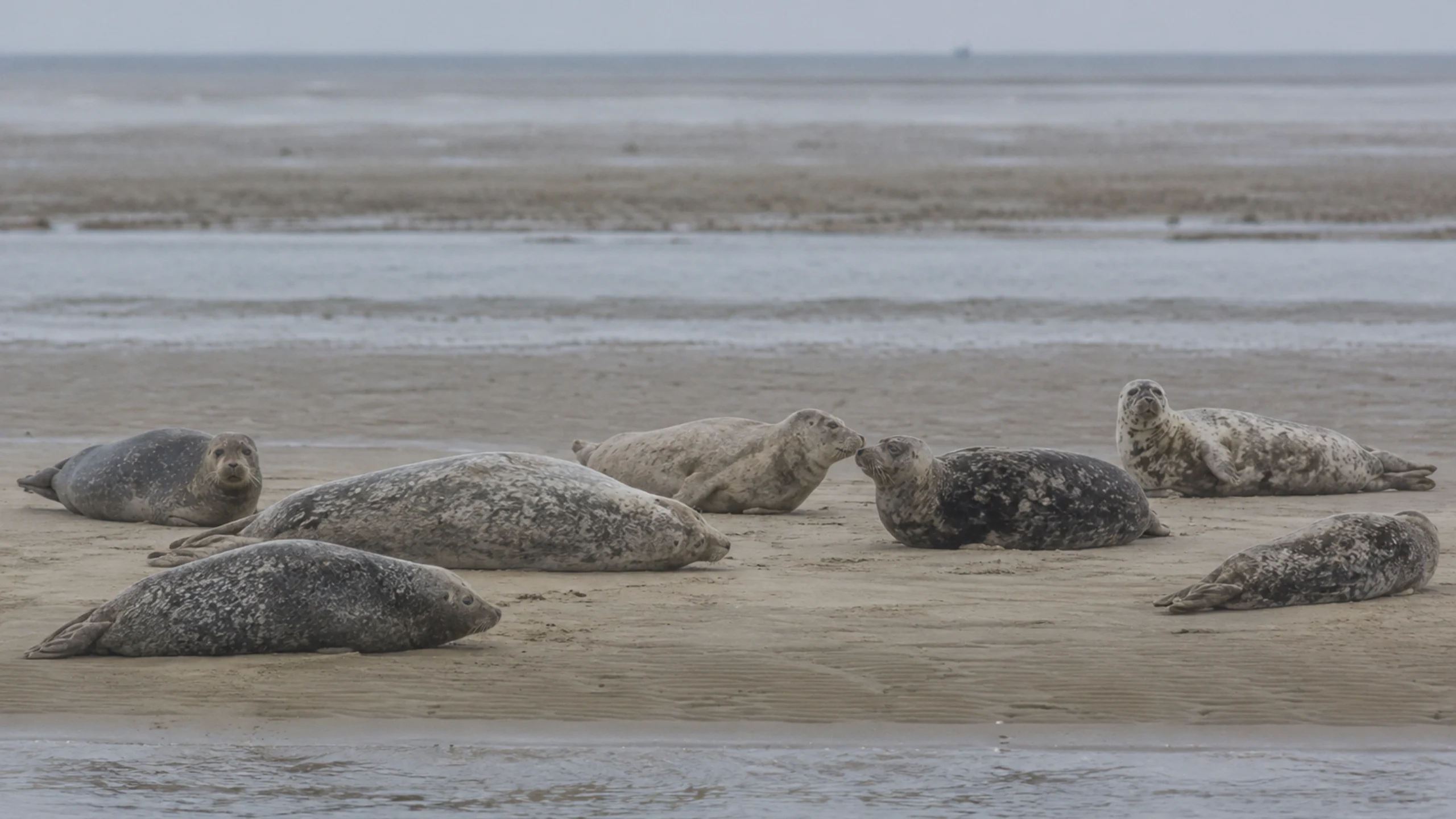
iksHaus | KI-generiert nach redaktioneller Konzeption, 2026
The number 23,700 appears in reports about the release of three young harbor seals on Juist. It is sometimes cited as the population of the Lower Saxony North Sea and linked to an increase of 14 percent in the counting years 2025 and 2026. This combination does not correspond to the current balance sheet of LAVES. For Lower Saxony, the authority states 7,957 animals, which represents a decrease compared to 2025.
For a reliable comparison, the area, year, counting period, and institution must be checked. Approximately 23,700 harbor seals were counted in the entire Wadden Sea off Denmark, Germany, and the Netherlands in 2024. The Common Wadden Sea Secretariat reported an increase of five percent compared to 2023 at that time. Within this cross-border value, the number in Lower Saxony and Hamburg increased by 14 percent.
Both figures were correct in their original context. However, when they are later linked to a supposedly current value for Lower Saxony, the statistical framework shifts. The 23,700 animals represented the trilateral total value for 2024. The increase of 14 percent applied to the year-on-year comparison for Lower Saxony and Hamburg at the time.
The trilateral report for 2025 also shows how different the figures are. During the moult count, a total of 23,954 seals were recorded in the entire Wadden Sea. Of these, 7,042 were in Lower Saxony and Hamburg, 7,806 in Schleswig-Holstein, 7,285 in the Netherlands, 1,721 in Denmark, and 100 on Helgoland. The total figure was one percent higher than in 2024, but below all figures from 2012 to 2021.
There is no contradiction with the LAVES figure of 7,957 for 2026. This refers to a different year and a different reporting system. According to the trilateral report, the moult count figure has been declining on average since 2020, after strong growth up to 2012 and a period of relative stability. Researchers are discussing behavior, diet, and other ecological factors. No single cause is considered certain.
What do seals reveal about the Wadden Sea?
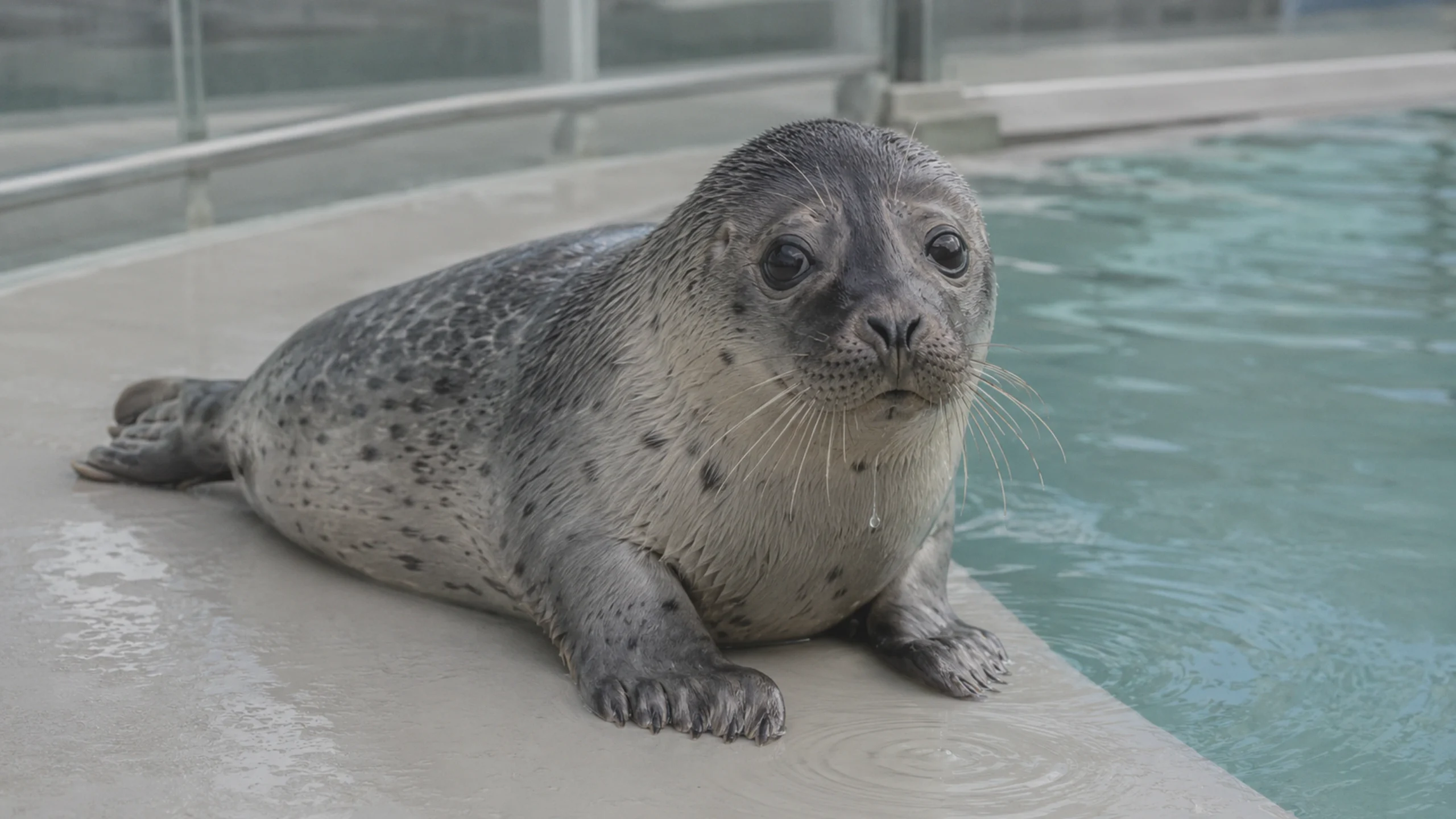
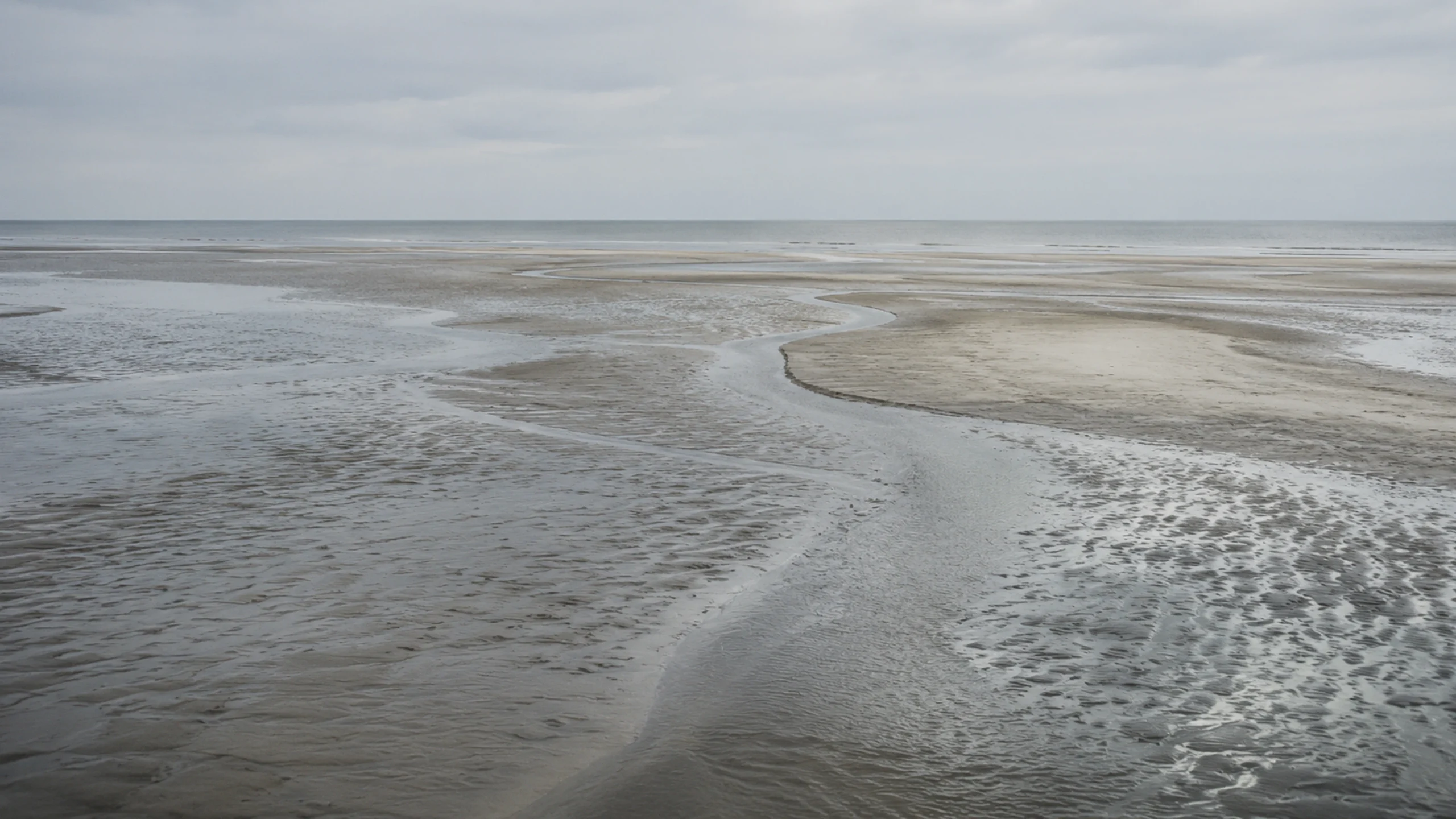
iksHaus | KI-generiert nach redaktioneller Konzeption, 2026
LAVES describes seals as marine top predators and important bioindicators. Population size, reproduction, and health provide clues about the food web, water quality, and the condition of the Wadden Sea ecosystem. Individual annual figures are not sufficient for such statements.
Weather, tides, shifts in sandbanks, and disturbances influence how many animals are visible during an aerial survey. In addition, seals move across administrative boundaries. Therefore, a regional figure does not describe a complete animal population. It is a standardized measurement within a dynamic coastal system.
The counts are conducted at low tide, when many animals are resting on exposed resting places. According to LAVES, the aircraft typically fly at an altitude of approximately 150 meters. This is intended to ensure flight safety and minimize disturbance. Germany, Denmark, and the Netherlands coordinate their counts based on the international seal protection agreement of 1990. This is intended to prevent mobile animals from being counted multiple times.
In parallel with the monitoring efforts, concrete animal welfare measures are being implemented. According to the source material, the Norddeich seal rescue station is currently caring for 80 pups, as well as one adult seal. In addition, the Waloseum houses 15 pups. The station states that it raises approximately 80 to 150 orphaned animals each year and later releases them back into the North Sea. At the end of August, three rehabilitated pups were released on the island of Juist.
Not every solitary seal represents an emergency situation. Between June and August, the station recommends maintaining a distance of approximately 300 meters. Animals should not be touched. A possible pup should be reported by phone and checked. From September to May, young seals are usually independent and primarily need peace and quiet. Approaching them can disrupt their resting periods or separate them from their mothers.
“The investigations conducted so far have not revealed any signs of potential viral diseases, such as phocine distemper or avian influenza.” This assessment comes from the food and veterinary institutes of the state of Lower Saxony.
What do the data confirm?
Confirmed are 7,957 seals counted in Lower Saxony in 2026, including 2,395 pups. In 2025, 8,443 animals were recorded. The number of pups increased by 60 compared to the 2,335 recorded in the previous year. In the animals examined so far, there have been no indications of phocine distemper or H5N1.
Based on the published figures, the calculation results in 486 fewer animals, representing a decrease of approximately 5.8 percent. The number of pups shows an increase of approximately 2.6 percent.
Not confirmed is an increase in the Lower Saxony seal population of 14 percent in 2026. Approximately 23,700 animals represented the total value for the entire Wadden Sea in 2024. The 14 percent increase at that time referred to Lower Saxony and Hamburg.
The new figures do not tell a simple story of boom or a clear crisis. It is crucial to avoid mixing regional and trilateral values and to assess developments over longer periods.