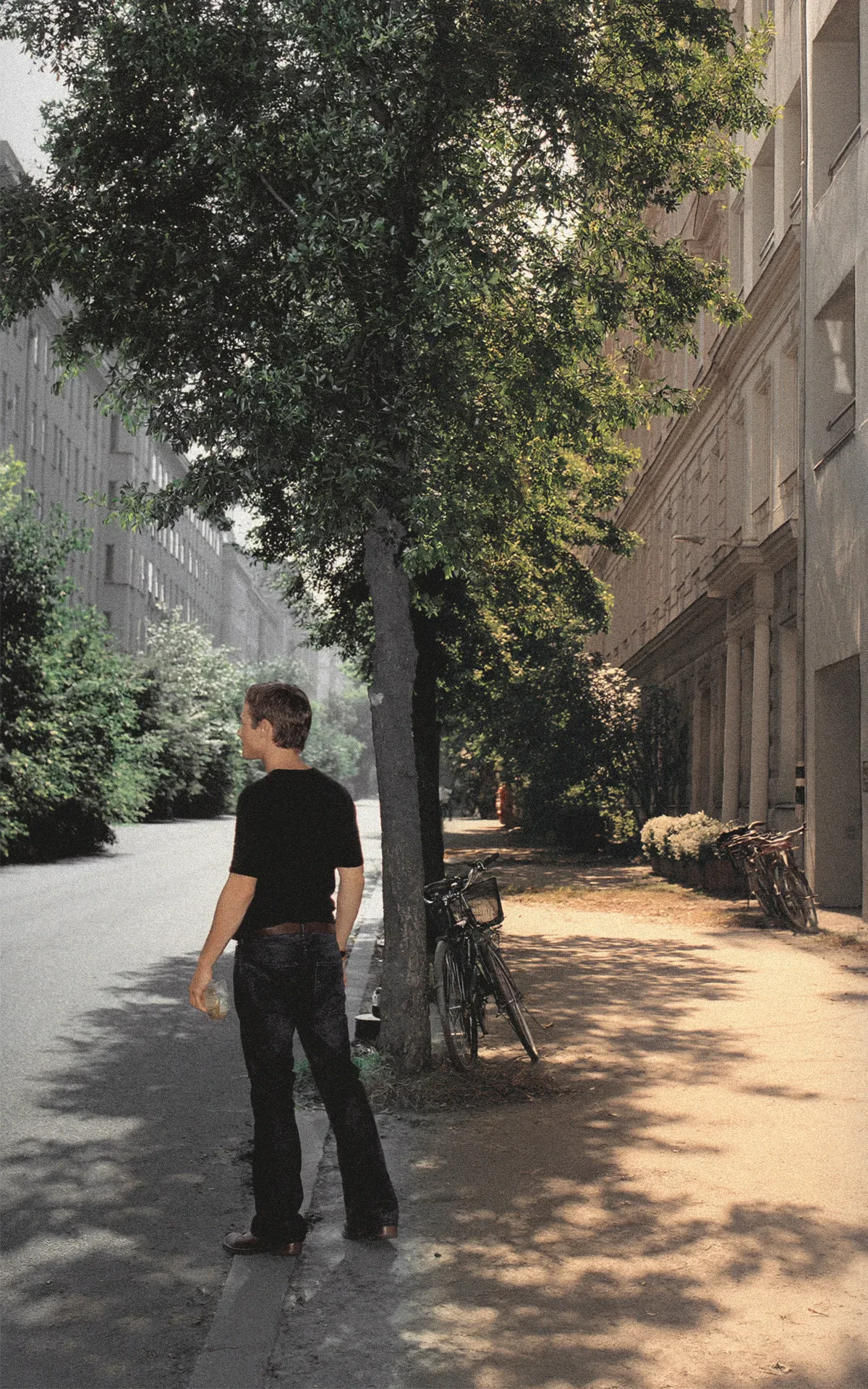
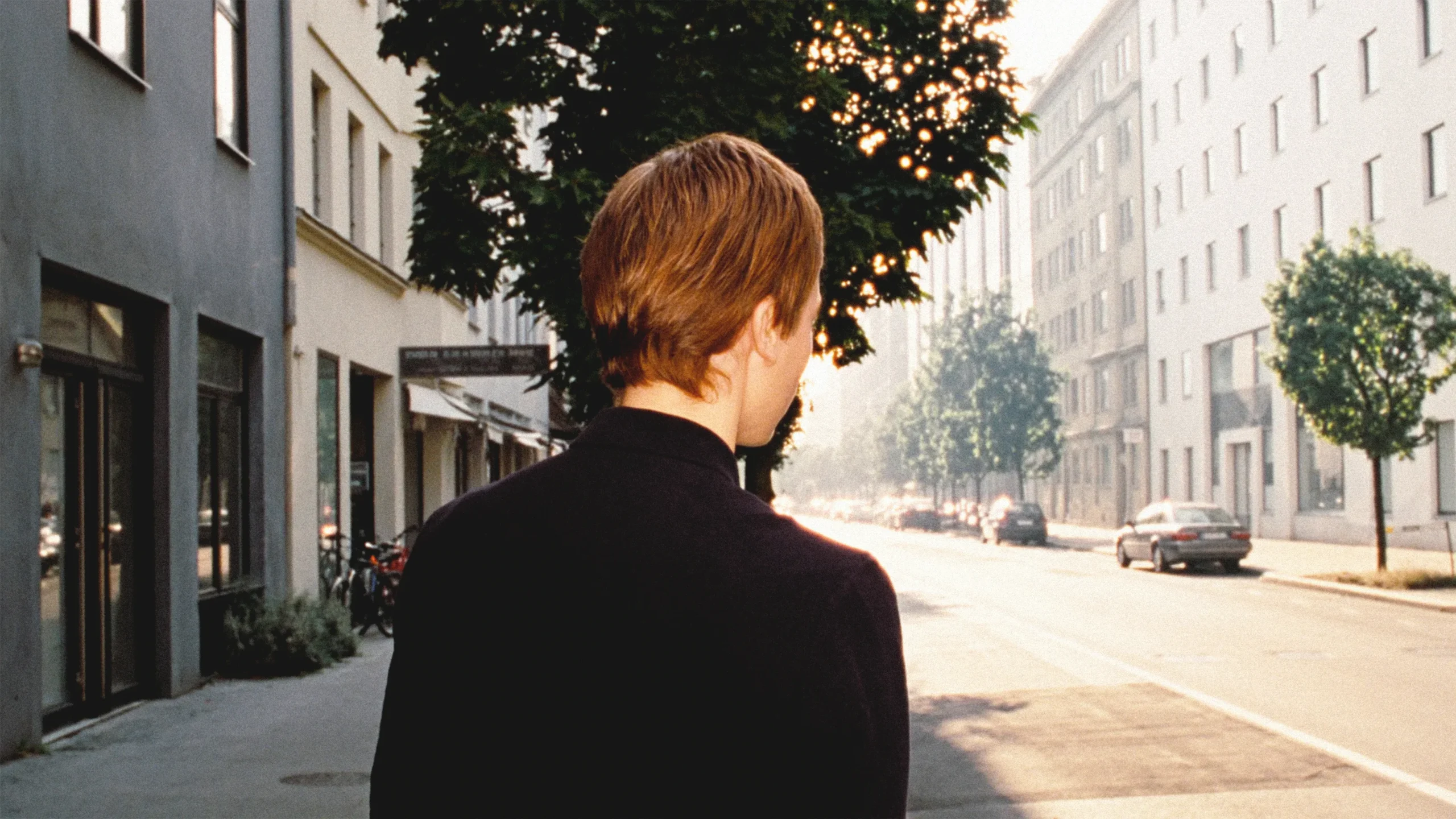
Heat protection in Vienna is not equally accessible to all people. A hot summer feels different on a green street with old trees than in an apartment that, due to asphalt, facades, and a sealed courtyard, hardly cools down even at night.
How much high temperatures affect people depends not only on the weather. Location, building condition, income, age, health, and workplace all influence the possibilities for cooling down. Shade is therefore more than just comfort; it becomes a form of public infrastructure and a matter of social justice.
Heat protection in Vienna follows a social map
iksHaus | KI-generiert nach redaktioneller Konzeption, 2026
GeoSphere Austria identifies heat as the most deadly natural hazard in Austria. In the center of Vienna, more than 50 days with temperatures above 30 degrees Celsius and 53 tropical nights were recorded for the first time in 2024. During these nights, the temperature did not drop below 20 degrees Celsius.
The lack of nighttime cooling makes recovery difficult. According to the Austrian health portal, six out of ten people report heat-related sleep problems. More than half feel less productive in extreme heat.
Vienna has a high proportion of green spaces overall. However, the official city statistics show significant spatial differences. In densely built-up inner-city areas, the proportion of green space varies between 2 and 15 percent, depending on the area. In the western districts, it can reach up to 70 percent.
Therefore, for everyday life, it is not only the total green space that is crucial. What is more relevant is whether shaded parks, trees, and cool spaces are accessible on foot. A study on the risk of urban heat islands published in 2025 links temperature exposure to population density, the number of trees, age, and social status. The differences do not simply run along district boundaries, but change from neighborhood to neighborhood.
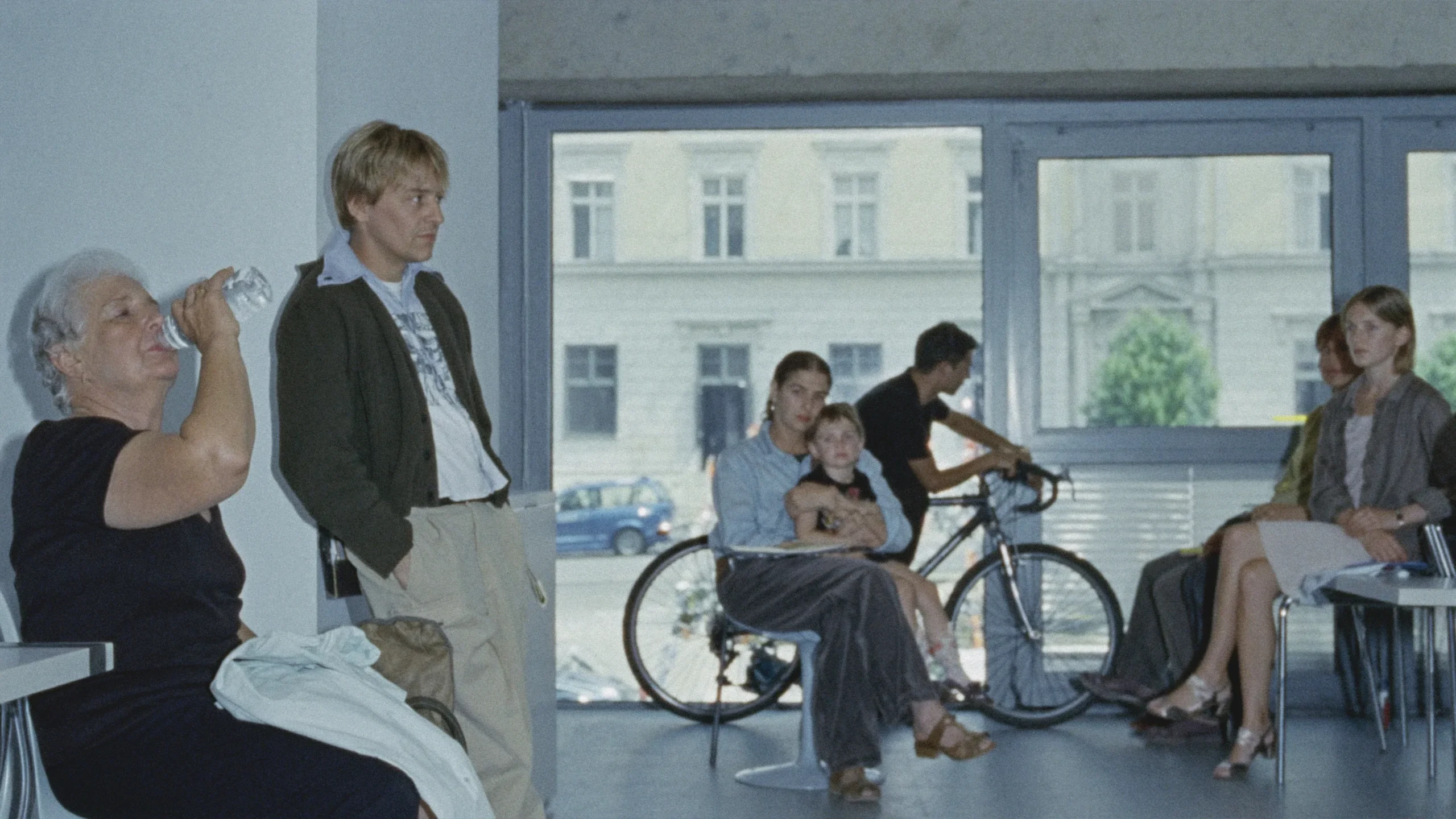
In the summer of 2026, Vienna offered 34 cool zones in 20 districts. These freely accessible spaces, without any obligation to consume, are located in libraries, administrative buildings, and social facilities. They provide seating, drinking water, and, in some cases, advice.
Housing, income, and employment determine the level of exposure
iksHaus | KI-generiert nach redaktioneller Konzeption, 2026
A representative survey in Vienna shows how difficult it is to cool down apartments after several hot days. 49 percent of respondents stated that a comfortable temperature could no longer be achieved. In 43 percent of cases, the living spaces remained too warm despite their own measures.
Only seven percent of apartments had air conditioning in all rooms. An additional 28 percent had air conditioning in some rooms. The majority relied on nighttime ventilation, fans, and shading. However, these options depend on the building and its surroundings. Nighttime ventilation can conflict with noise pollution in areas near busy streets. Apartments with only south-facing windows cannot be effectively cross-ventilated. External shutters in rental apartments often require approval.
A special analysis by the Workers’ Chamber of Vienna shows that the perceived heat stress decreases with increasing household income. Among women with low incomes, 54.5 percent described themselves as being heavily burdened by the heat.
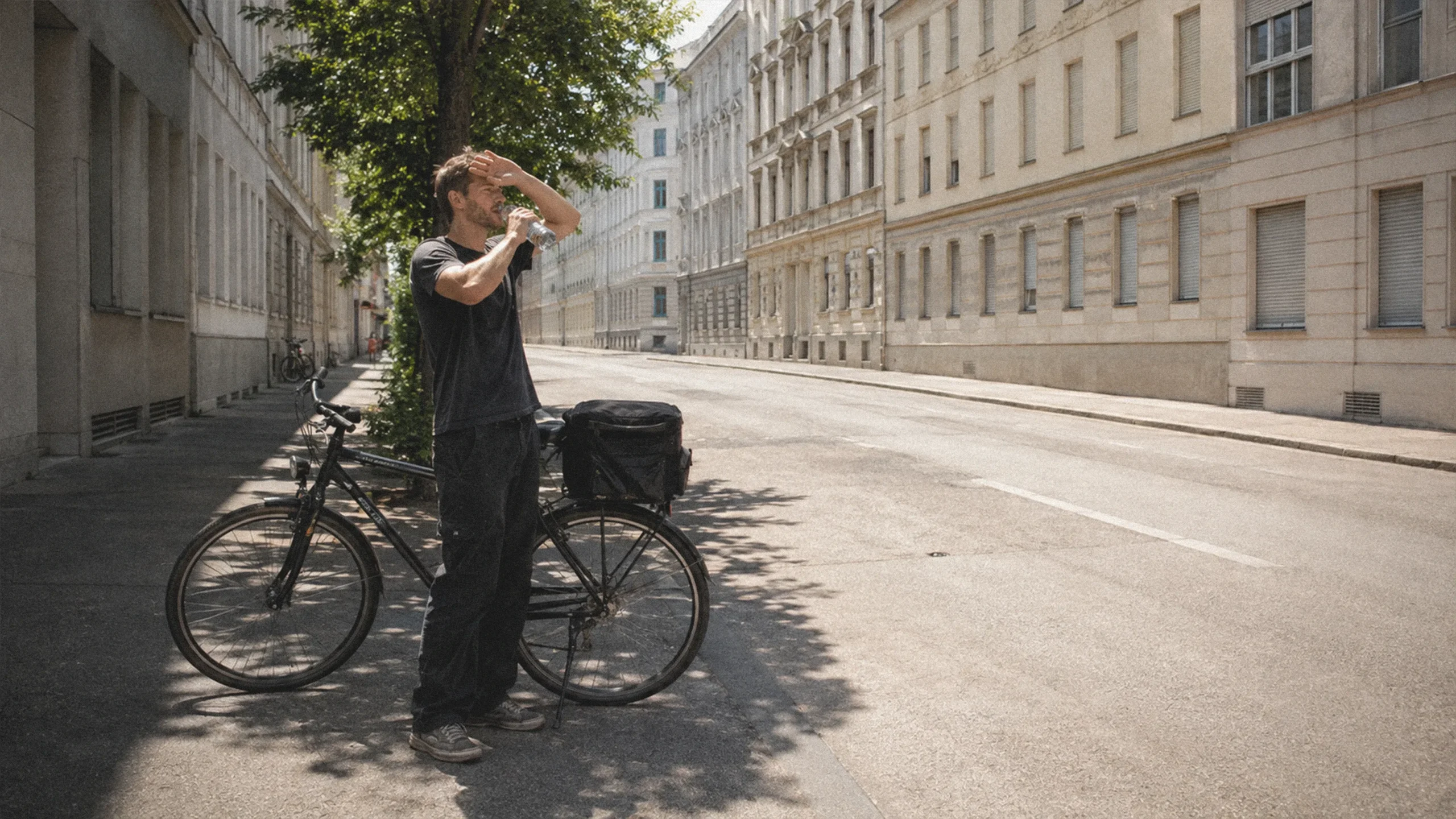
The workplace also influences the risk. Employees on construction sites, in delivery services, in cleaning, in urban maintenance, or at markets spend many hours outdoors. There is no general statutory heat protection law in Austria. Employers must use available measures to lower temperatures and protect the health of employees. There is no general obligation to install air conditioning.
Individual precautions remain important, but cannot replace structural and urban measures. Residents cannot remove the asphalt in front of their homes, nor can they easily plant trees, shade facades, or renovate apartment buildings.
Trees and removing asphalt help to cool everyday life
iksHaus | KI-generiert nach redaktioneller Konzeption, 2026
Vienna is focusing on green spaces, drinking water, water features, and publicly accessible cool spaces. According to the city, there are approximately 1,800 drinking fountains, more than 1,000 parks, and about 500,000 managed urban trees. An average of up to 4,500 new trees are planted each year.
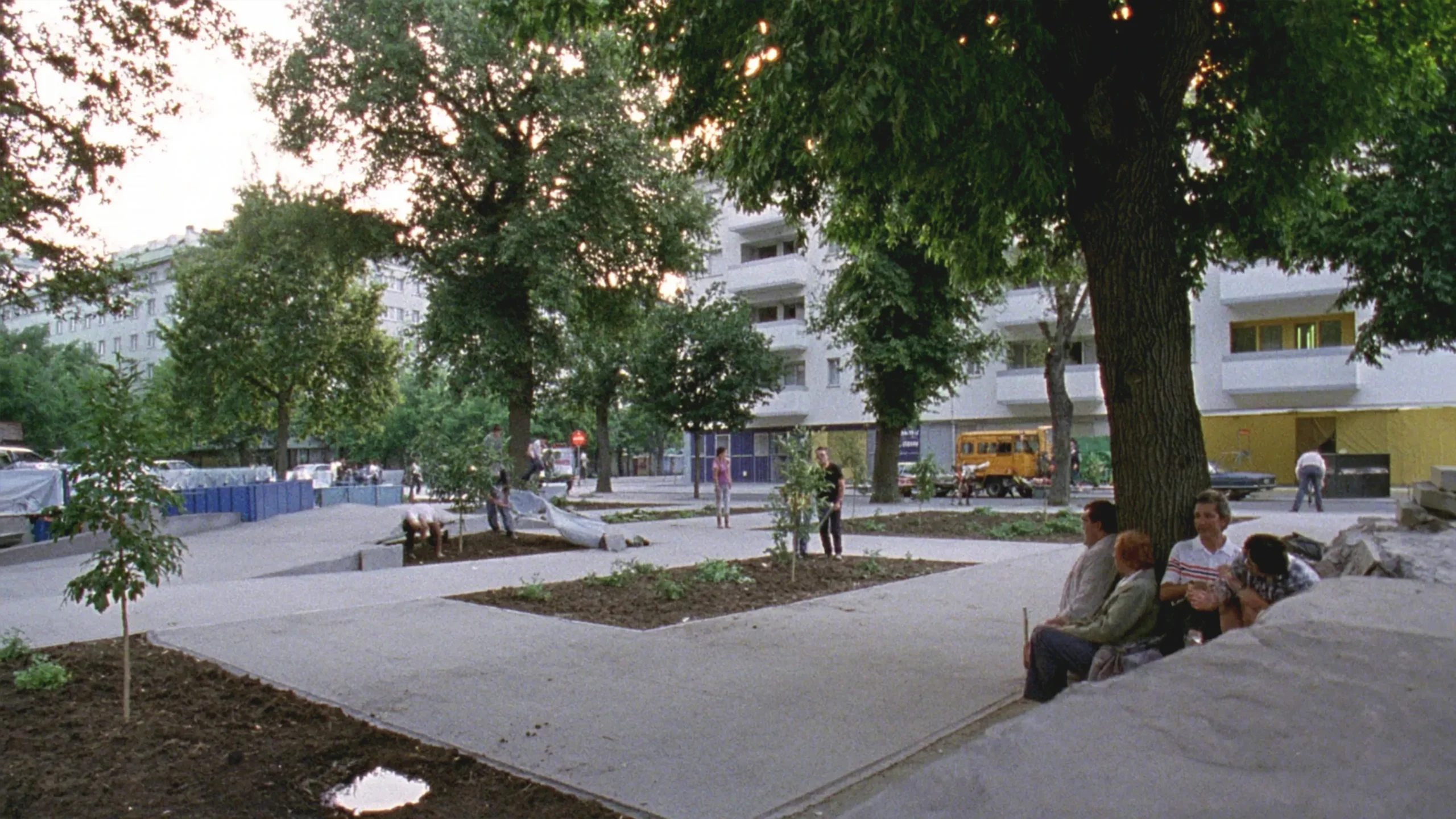
The Get Out of the Asphalt initiative has implemented more than 340 projects in all 23 districts. New seating areas, paved areas, water features, and greened street sections provide cooling and can absorb rainwater.
However, young trees do not immediately replace the effect of mature tree canopies. It takes many years for them to provide comparable shade and a similar rate of evaporation. Mist showers and mobile water features also only have a localized effect.
The Vienna SENSUS study confirms the effectiveness of nature-based solutions. In densely populated areas studied, the modeled local cooling reached up to 1.4 degrees. The greatest effect was achieved through additional tree canopies and the removal of impermeable surfaces in public areas. Green roofs remained relevant for rainwater retention, biodiversity, and building protection, but had a less direct impact on the maximum air temperature in street areas in the simulation.
On the Simmeringer Hauptstraße, a section of approximately 700 meters is planned to have nearly 9,000 square meters of impermeable surfaces removed by the summer of 2027. The plans include additional green spaces, 52 trees, 25 larger shrubs, and new seating areas. In a survey, 84 percent of participants indicated that more greenery and a better microclimate were important.
Private buildings are part of the climate strategy
A significant portion of potential cooling areas are located in private courtyards, on roofs, and on facades. The City of Vienna and DIE UMWELTBERATUNG offer a free initial consultation for greening and removing impermeable surfaces. New funding opportunities are expected to be available starting in 2027.
Areas where impermeable surfaces have been removed can absorb rainwater and create habitats for plants and insects. Climbing plants shade facades. Green roofs retain a portion of the rainfall and reduce the burden on the sewage system during heavy rainfall.
However, structural changes in multi-family buildings require consent, planning, and long-term maintenance. If implementation is left solely to the commitment of individual people, property owners’ associations with significant financial resources have an advantage. Public funding and binding standards are therefore particularly relevant in areas where residents have limited financial resources or influence.
Greening needs social protection
A climate-friendly transformation can make a neighborhood a quarter more livable. However, if property prices and rents increase as a result, it risks “green gentrification.” People for whom the improvements were intended may no longer be able to afford to live in their own neighborhood in the long term.
Municipal and subsidized housing partially protects Vienna from this effect. Residents of older private rental buildings are more vulnerable. Therefore, urban greening must be linked to tenant protection, affordable housing, and social infrastructure.
Shade must become a basic necessity
Socially just heat protection begins where heat and social burdens are particularly high. Old trees must be protected, new trees planted, and sealed surfaces opened up. Free cool spaces, drinking water, outdoor shading, and thermal renovation complement these measures.
The Austrian heat protection plan and the nationwide heat hotline support warnings, information, and immediate assistance. They do not replace structural and social precautions. The temperature in the Alpine region has increased by approximately two degrees over the past 170 years. In the specified comparison, this is roughly twice the global temperature increase.
Heat protection therefore remains a permanent public task. It is not only important how many trees Vienna has, but where they are located, who benefits from their shade, and whether people can continue to live in their neighborhoods after improvements.