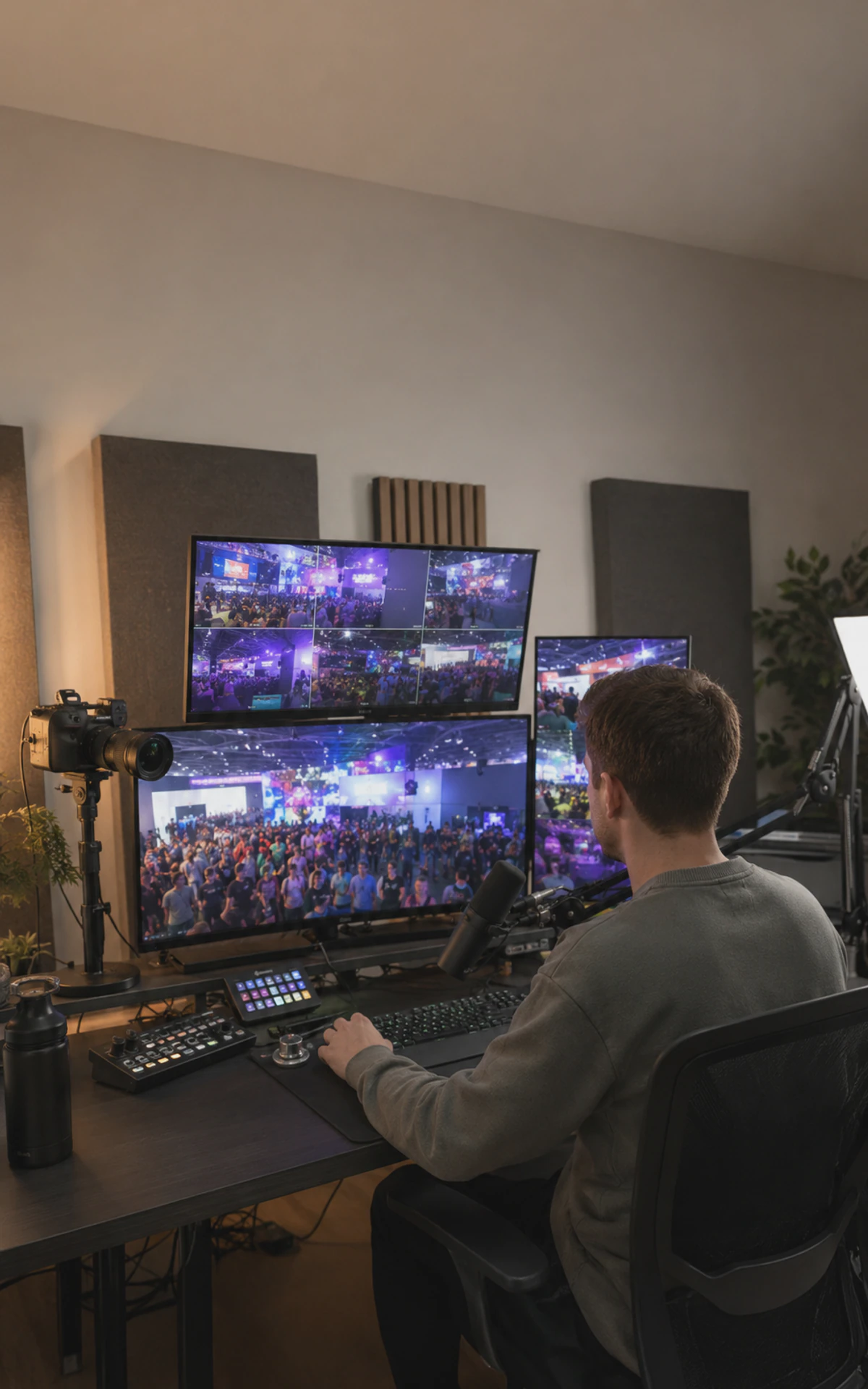
HandOfBlood was trending for Gamescom just before the start of the trade show. On August 22, 2026, Google Trends Germany recorded more than 2,000 searches for “handofblood,” representing an increase of approximately 1,000 percent. The reason is more than just a cancellation: Maximilian Knabe will once again cover Gamescom from his studio in Berlin-Spandau, while the trade show takes place in Cologne from August 26 to 30.
This decision raises a fundamental question. Do creators with a large reach still need to appear in person at a trade show when reporting, community building, and production quality can also be achieved from their own studio?
Why is HandOfBlood staying in Spandau for Gamescom?
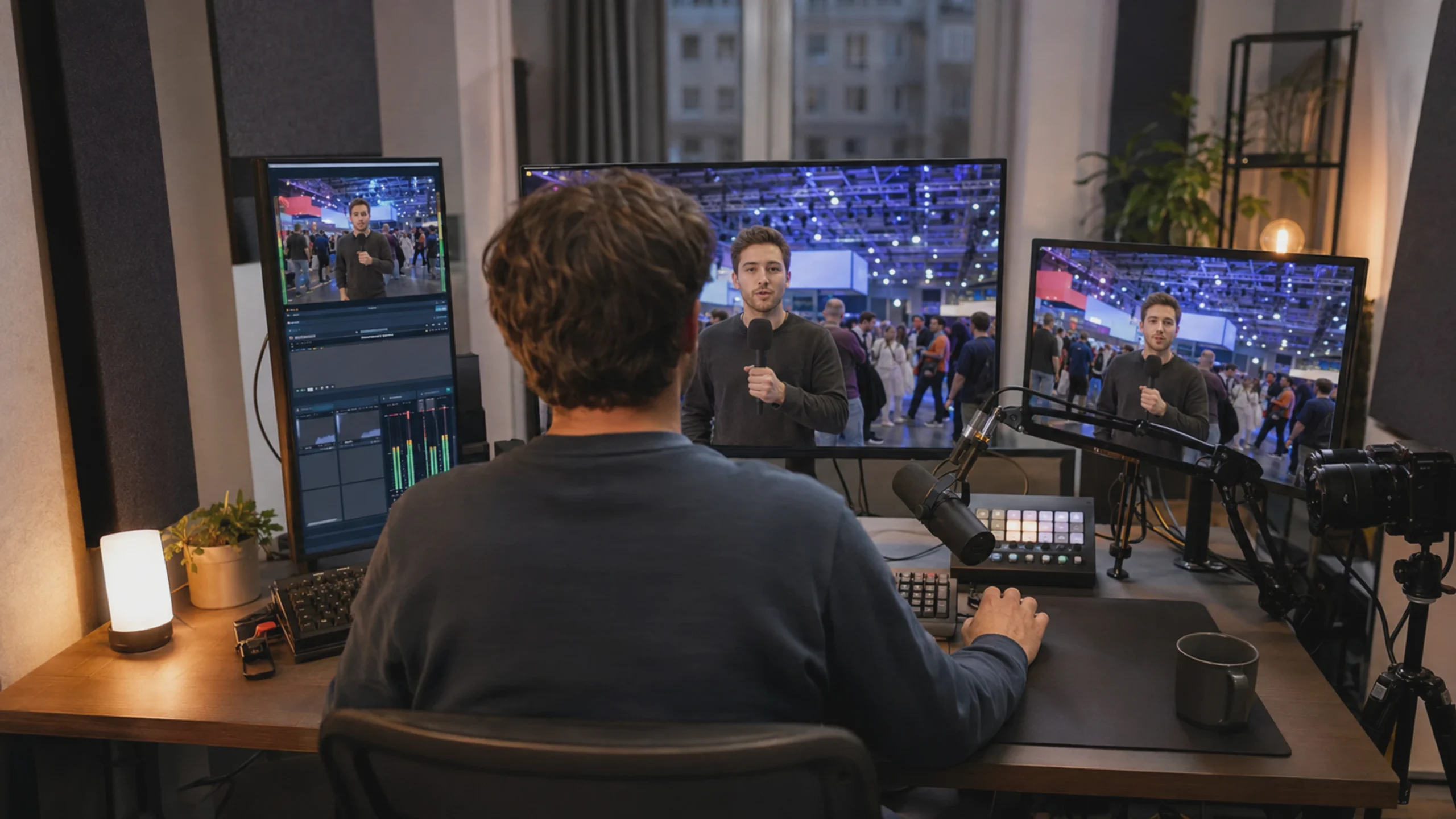
iksHaus | KI-generiert nach redaktioneller Konzeption, 2026
The fact that one of the most well-known German gaming creators is voluntarily not appearing in Cologne initially seems contradictory. Gamescom thrives on interactions and the feeling of being part of a large gaming community. However, for particularly well-known creators, personal appearances can generate so much attention that the games themselves take a back seat.
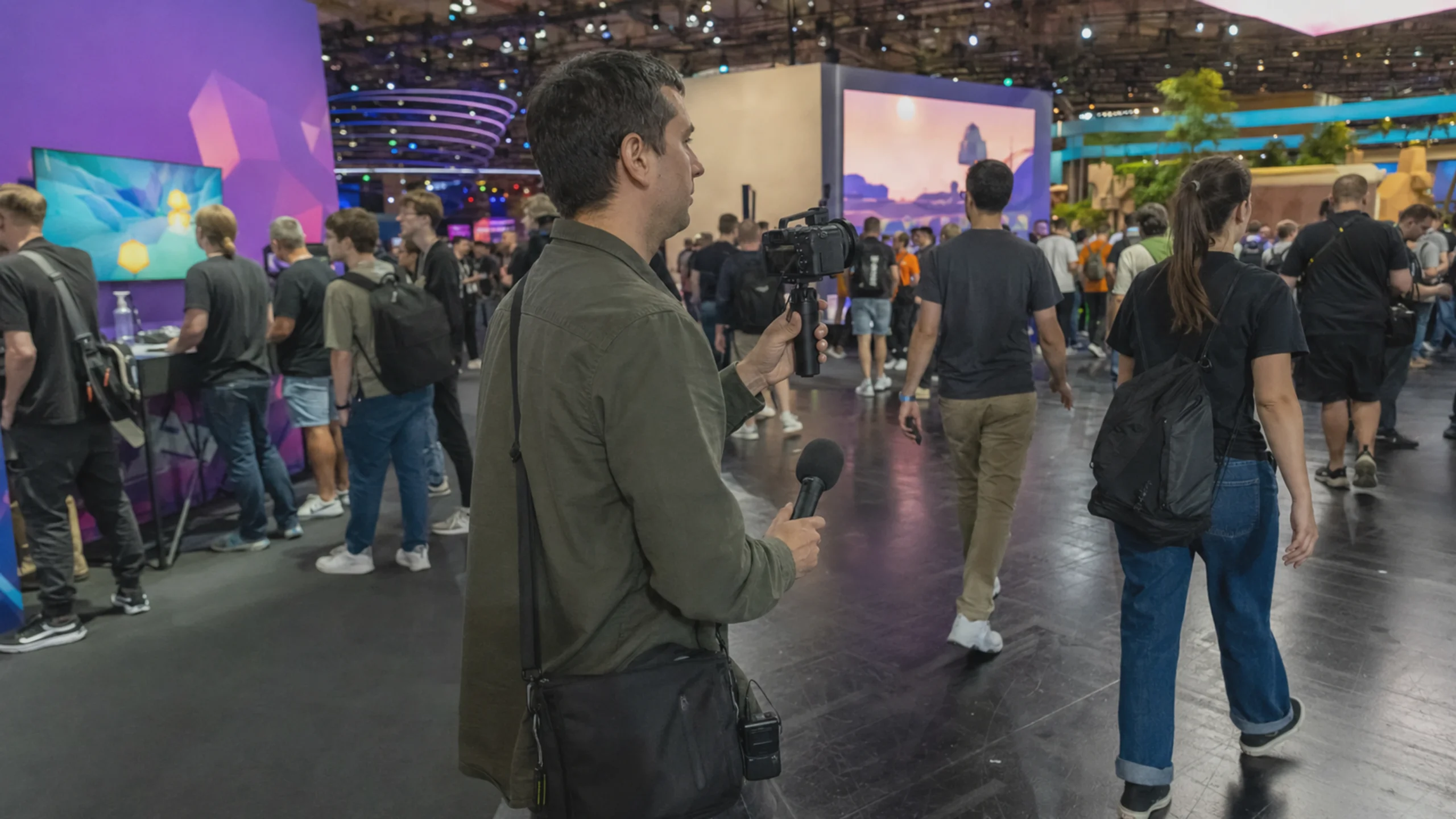
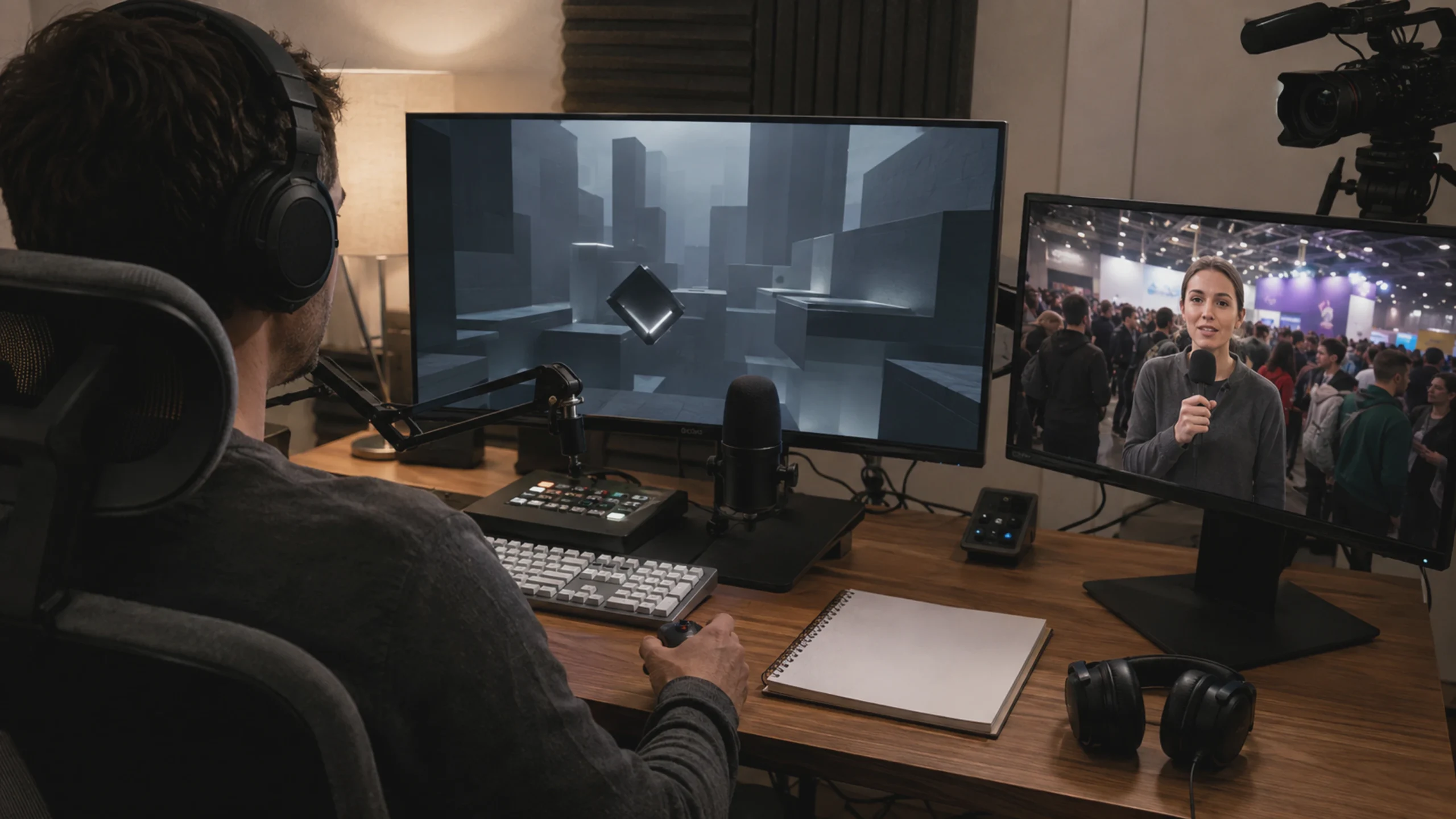
INSTINCT3 describes the studio model as a conscious separation of reach and presence. A reporter visits the booths in Cologne, gathers impressions, and brings games into the reporting. Knabe then tests selected titles in his familiar studio. There, image, sound, timing, and interaction can be better controlled than in a noisy trade show hall.
“Since last year, HandOfBlood has been streaming gamescom from its studio in Spandau. A reporter visits the booths, and then Max tests the games.” Johannes Gorzel, CEO of INSTINCT3
This decision is not a boycott. Following the organizer’s clarification, which was echoed by WDR and gamescom, HandOfBlood will remain a digital participant, as well as part of the fair through its brands and projects. The gamescom itself is also organized as a hybrid event. It will officially begin on August 26, 2026. The Opening Night Live on August 25 will also be offered as a livestream.
This changes the meaning of physical presence. The fair remains the place for demos, conversations, and immediate impressions. However, the studio becomes the place where these impressions are selected, tested, and interpreted for a digital audience.
How large is the digital gamescom already?
iksHaus | KI-generiert nach redaktioneller Konzeption, 2026
The organizer’s data shows how far gamescom extends beyond Cologne. For 2025, the fair reported 357,000 visitors on-site and approximately 1.1 billion video views of gamescom-related content. In addition, there were 13.5 million hours watched across approximately 10,000 streams on 6,200 channels.
Physical size and digital reach are thus different dimensions of the same event. The HandOfBlood audience also largely originates from platforms. Social Blade listed its Twitch channel on August 21, 2026, with approximately 1.65 million followers. TwitchMetrics reported around 827,550 hours watched and nearly 10,000 average viewers for August.
These figures do not replace attendance numbers. However, they illustrate how large a dedicated digital space can be. As a simple comparison, 1.1 billion video views in 2025 represent more than 3,000 views per physical fair visitor. This is not a metric for individual people, as one person can watch multiple videos. Nevertheless, the ratio shows that the digital reach significantly exceeds the audience in the halls.
The fair does not automatically lose importance as a result. It provides access, news, and material. Creators can use this to develop formats in their own studios that are more technically stable and allow more time for individual games.
What does this studio model change for the audience?
iksHaus | KI-generiert nach redaktioneller Konzeption, 2026
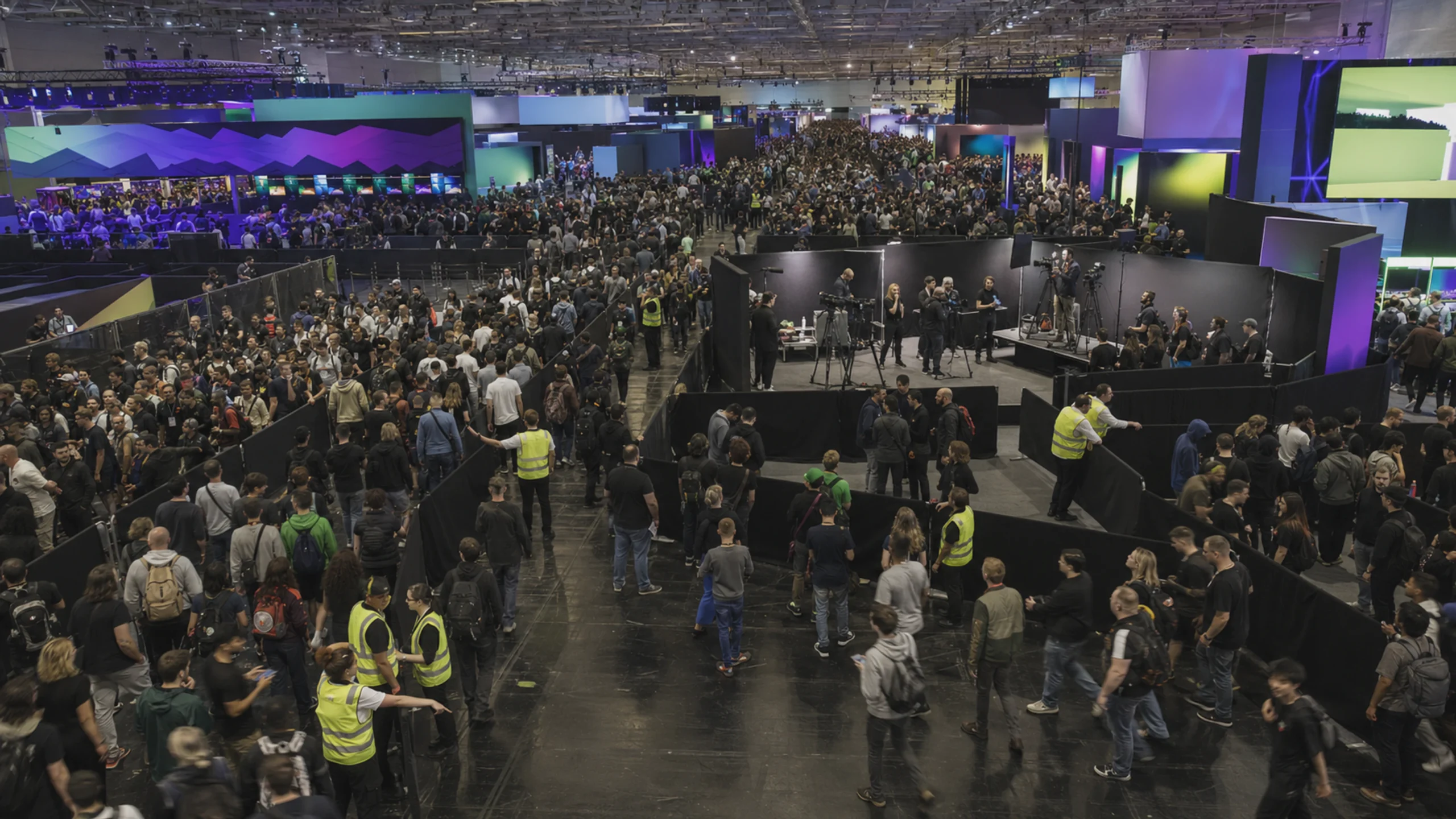
Creators with a large reach can themselves become the main attraction at a trade fair. INSTINCT3 recalls a previous autograph session by HandOfBlood, where the crowds were so large that an entire hall had to be closed. Despite quick photos, not all of the waiting people could be accommodated.
Knabe also describes a cultural conflict. In an interview with GamesWirtschaft, which GameStar summarized, he said: “If the entire Gamescom audience comes because of the influencers and not because of the games, then I, as a gamer, personally find that very unfortunate.”
Creators are nevertheless structurally part of Gamescom. The event officially accredits them, provides its own areas for personal meetings, and enables joint streaming of the Opening Night Live. At the same time, Koelnmesse must organize visitor flows, security, and the quality of the stay. The more well-known individual people are, the more difficult it is to arrange spontaneous encounters with the requirements of a large event.
The studio model redistributes proximity. In the stream, Knabe can react to many people at the same time, test games, and conduct discussions. However, part of the immediate atmosphere that characterizes a trade fair visit is lost. Personal meetings can be transformed into their own formats, where location, time, and capacity are planned specifically.
For the digital audience, the production from Spandau offers a quieter sound, more stable technology, and more space for context. The reporter remains the eye in Cologne. The creator decides in the studio which impressions are deepened.
What opportunities and risks arise for creators?
The studio production affects not only reach and technology. INSTINCT3 describes long trade fair days, short nights, stage appearances, conversations, and numerous encounters as a burden, after which the participants regularly become ill. This is not a medical study. The statement, however, points to the fact that public appearances are work for creators and can involve physical demands.
The equation is also changing for brands and publishers. A scheduled appearance at a booth does not automatically guarantee the usual reach or production quality of an established stream. In a studio, games can be integrated into a format that the audience is already familiar with. The booth then provides material for the stream, rather than being the location of the stream itself.
Digital curation also carries a risk. Creators with large audiences and their agencies have a greater influence on which games receive attention and how long they are shown. This can provide visibility for smaller studios, but it can also make it more difficult for them to be discovered. The shared space of a trade show is increasingly being supplemented by individual media spaces.
Why is the trade show still relevant?
357,000 visitors in 2025 demonstrate that Cologne remains an important social space. On-site, encounters, spontaneous discoveries, and shared experiences occur, which a stream cannot fully replace.
HandOfBlood’s decision, therefore, does not represent the end of trade show culture. Rather, it shows that Gamescom has multiple platforms. The halls remain the physical center. Studios, platforms, and communities form a second platform where content is selected and processed.
This shift in roles extends beyond gaming. Live events are increasingly conceived as both physical gatherings and digital media productions. In the case of HandOfBlood, it becomes particularly clear that cultural transmission no longer necessarily has to take place at the event location.