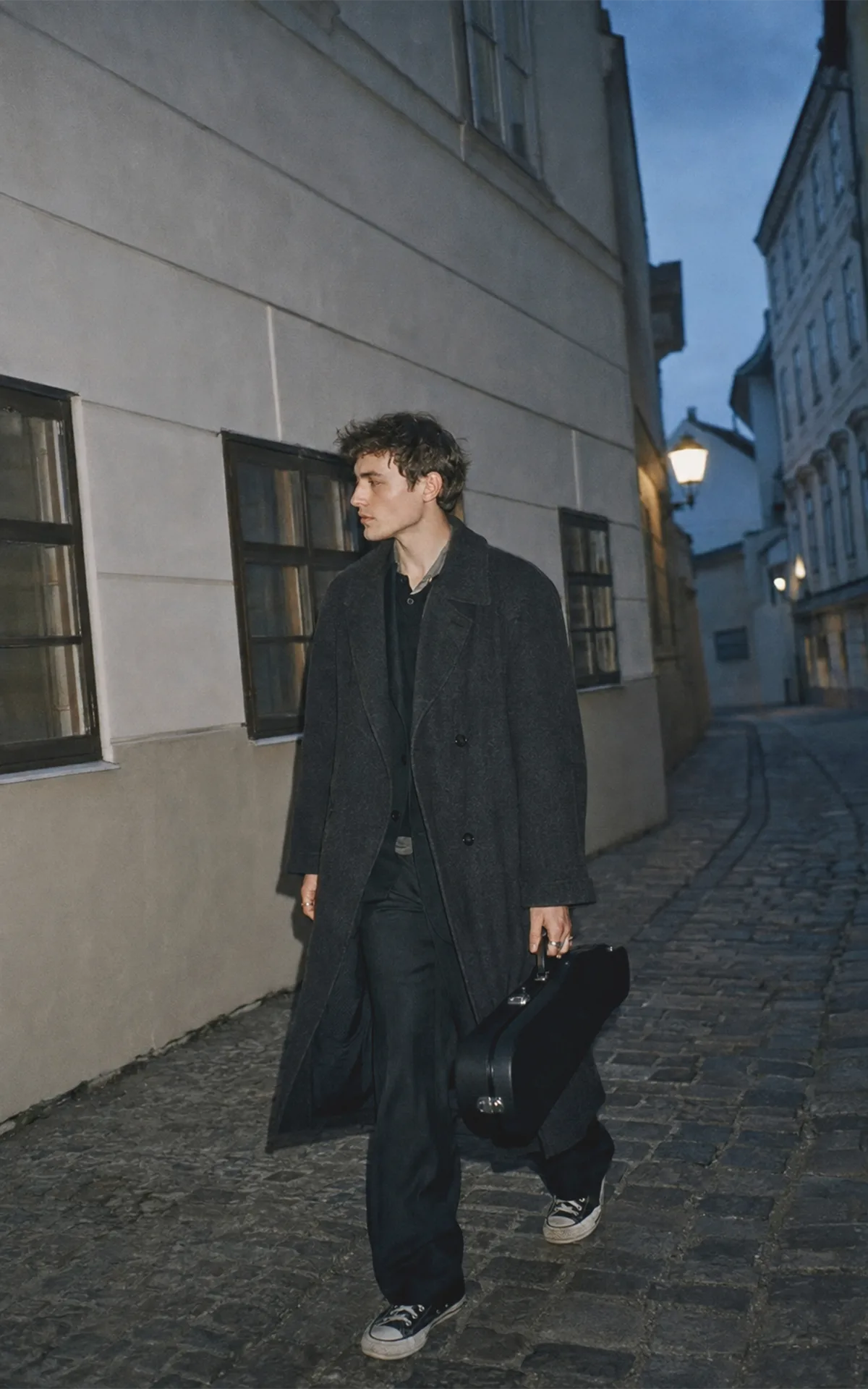
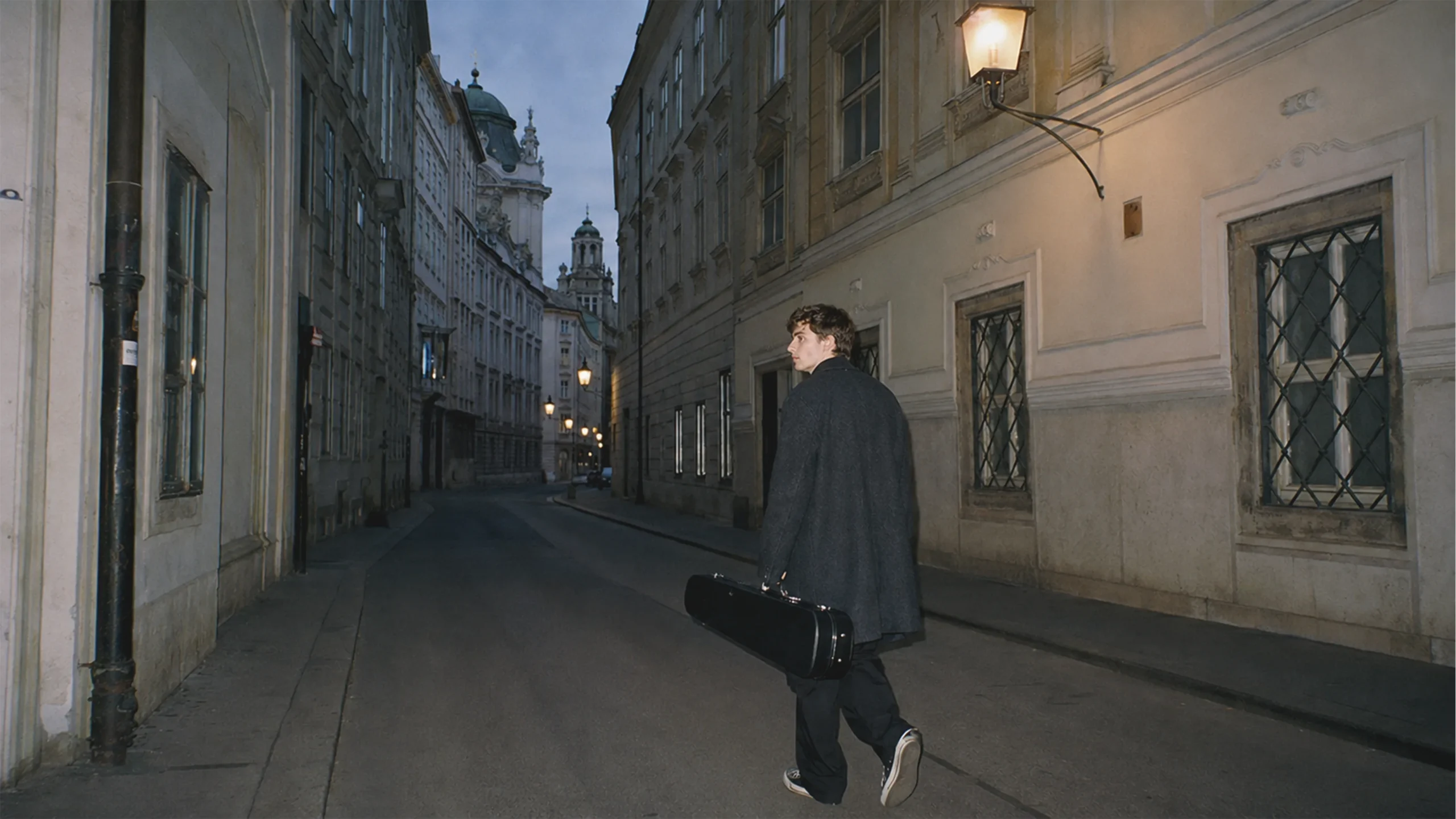
Vienna is often described as a city where music seems to emanate from the facades. Mozartkugeln (chocolate marzipan candies), concert posters, horse-drawn carriages, and gilded halls create a familiar image that works well for tourism and often appears too polished from a historical perspective. The anniversary year of 2026 offers an opportunity to listen more closely. Wolfgang Amadeus Mozart was born 270 years ago. The Mozarthaus Vienna is also celebrating 20 years in its current museum form. And the Vienna Festival Weeks are looking back on 75 years of international performing arts.
These three dates do not automatically belong to a shared history. Mozart represents a global classical canon, the Mozarthaus represents museum education, and the Festival Weeks represent theater, music, dance, performance, and artistic exchange. It is precisely their differences that make the year interesting. Vienna does not appear as a city of a single sound, but as a place where the past is constantly reinterpreted, sold, criticized, and rewritten.
Mozart was born in Salzburg, but became an independent artist in Vienna
Wolfgang Amadeus Mozart was born on January 27, 1756, in Salzburg. The formative Viennese period began in 1781, when he broke free from the service of the Archbishop of Salzburg and attempted to live as a freelance composer, pianist, and teacher. This was a period of artistic productivity, social ambition, and economic risk.
In Vienna, he created central works of his oeuvre, including numerous piano concertos, chamber music, and operas such as “Le nozze di Figaro.” The city offered him a demanding audience, aristocratic patrons, musicians, competitors, and new forms of public concert culture. At the same time, his existence was characterized by fluctuating incomes, changing trends, and personal pressure.
The later myth often portrays Mozart as an effortless genius, seemingly receiving his music directly from a divine source. This image underestimates the work behind the compositions and the social networks he relied upon. An anniversary can counter this by presenting Mozart not only as a monument, but as a person within a specific city.
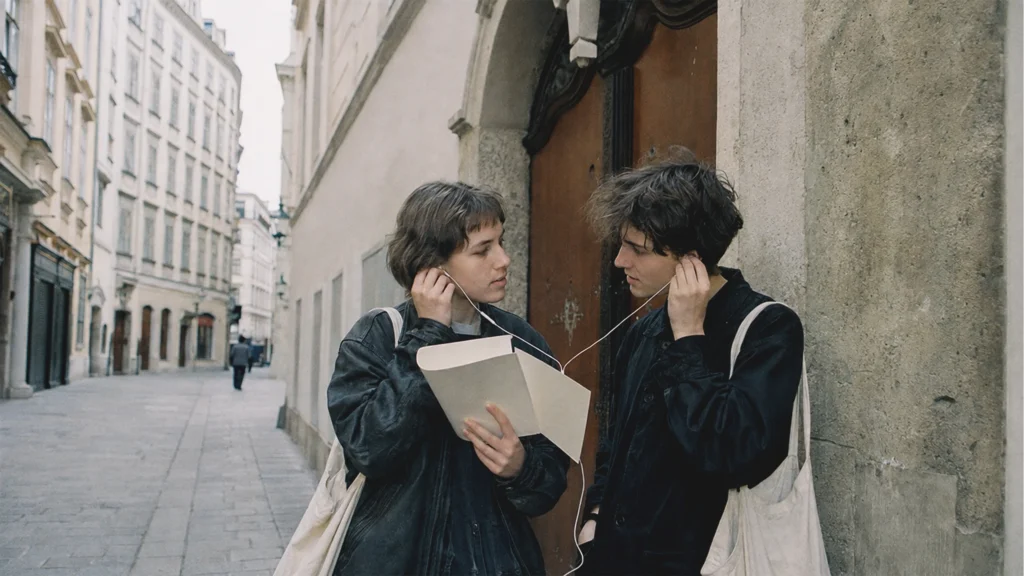
iksHaus | KI-generiert nach redaktioneller Konzeption, 2026
The Mozarthaus Vienna: An authentic place
The Mozarthaus Vienna is located at Domgasse 5, not far from St. Stephen’s Cathedral. Of the several apartments Mozart lived in in Vienna, this is the only one that has been preserved. He lived here from 1784 to 1787, a period of exceptional productivity and social engagement.
Since 2006, the house has been operating in its current, expanded museum form. In 2026, it will therefore celebrate its 20th anniversary. The permanent exhibition is spread across several levels and connects information about Vienna in the late 18th century with Mozart’s personal circumstances and work. The preserved apartment forms the emotional center, but its significance stems not only from its originality. Crucially, it bridges the gap between space, biography, and music.
A historical site can create a sense of closeness, but also a false sense of certainty. Empty rooms do not speak for themselves. Only documents, sound examples, and the socio-historical context can explain how Mozart worked, whom he met, and the pressures faced by a freelance musician in Vienna. The museum must therefore address a productive gap: it has an authentic location, but not every object that the public might want to see there.
It is precisely this gap that can be exciting. It leaves room for questions. How loud was the city? How did a concert function without sound recordings and mass media? Who could afford the entrance fee? What work did Constanze Mozart and others do in the composer’s environment? A good museum does not turn the well-known figure into a wax figure, but opens up their world.
A birthday between culture and brand
Mozart’s 270th: A Tourist Event for Vienna. In addition to the Mozart House, the Vienna Tourist Board and other institutions are highlighting authentic locations and immersive experiences throughout the city. This is legitimate as long as it remains clear that cultural heritage and commercial use coexist.
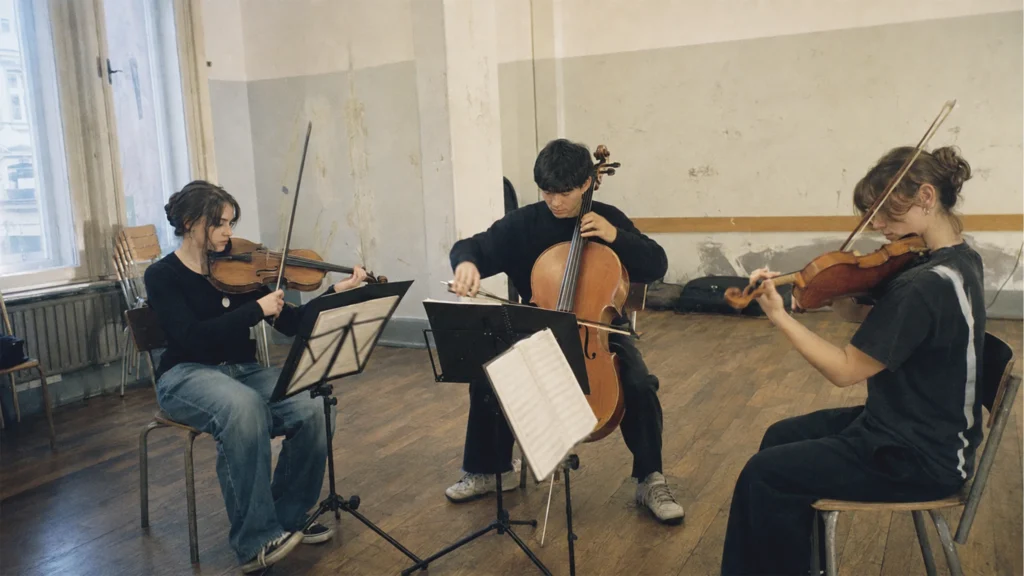
iksHaus | KI-generiert nach redaktioneller Konzeption, 2026
Mozart is already a global brand. His name sells concerts, travel packages, sweets, and souvenirs. This popularity introduces people to music, but it can also reduce his biography and work to a few symbols. The task of cultural institutions is therefore not simply to reject this popular image, but to deepen it. Those who come because of a familiar name should be able to leave with a more complex understanding.
75 Years of the Vienna Festival Weeks
While the Mozart House explores a historical living space, the Vienna Festival Weeks engage with the dynamism of the present. The festival was founded in 1951 and has developed into an internationally significant venue for theater, music, dance, and interdisciplinary art. In 2026, it celebrates 75 years of program history.
The Festival Weeks emerged in a city that had to reposition itself culturally after National Socialism and the war. Internationalism was not only an aesthetic program but also a political signal. Over the decades, influential artists came to Vienna, productions sparked enthusiasm, irritation, and scandals, and the festival itself became part of those institutions that it simultaneously sought to challenge.
For the anniversary, the program recalled icons, conflicts, major projects, and fleeting moments. However, it did not simply present an archive. The guiding question was what memories the people of the city associate with their Festival Weeks, and how a festival history can be told through many voices.
“The Best Piece of All Time” as a Contradictory Title
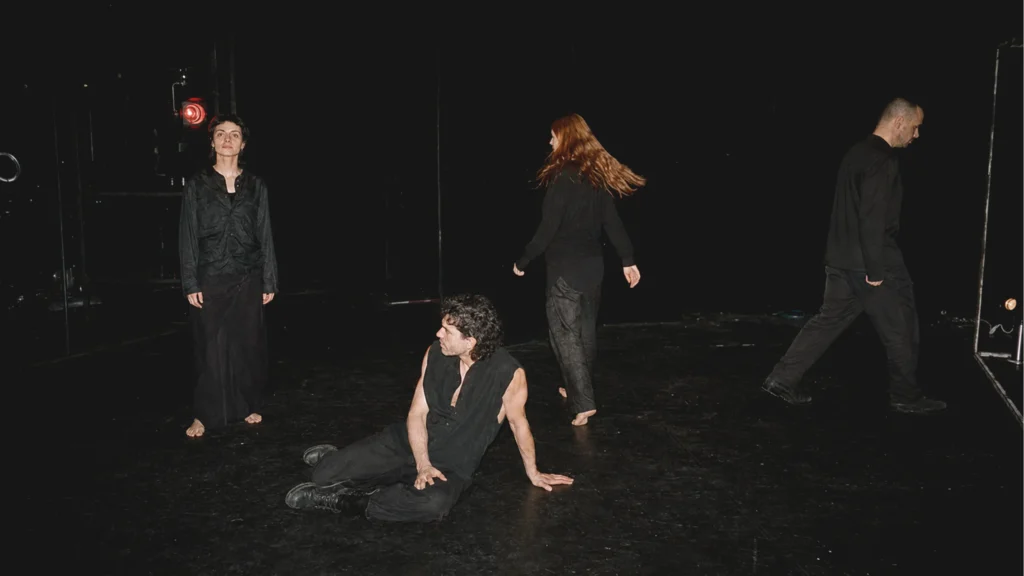
The major anniversary production bore the confident and ironic title “The Best Piece of All Time.” Milo Rau developed it with an ensemble of more than 20 people, music, and contributions from Festival Weeks fans and critics. The world premiere took place on May 15, 2026, in Hall E at the MuseumsQuartier; further performances followed until May 22nd.
The title promises an impossible ranking. No single evening can definitively summarize 75 years of festival history. This very exaggeration is the basis of the concept. Memories, scandals, personal stories, and defining scenes are not organized into an objective chronicle, but are presented as a multifaceted revue.
iksHaus | KI-generiert nach redaktioneller Konzeption, 2026
This format is appropriate for the theater. An archive preserves documents, but a performance brings bodies, voices, and contradictions into the same space. People remember things differently. What was a masterpiece for some may have been an imposition for others. What was provocative then may seem canonical today. The anniversary production did not see this instability as a problem, but as material.
The rest of the program also drew on history. An exhibition at the MAK (Museum of Applied Arts) recalled Christoph Schlingensief. The history of posters became visible as design history. The connection between the Festwochen (Vienna Festival) and the Arena occupation of 1976 reappeared, and a concert by Patti Smith brought the memory of the counterculture back into the present.
Why Mozart and the Festwochen belong together
Mozart and the Wiener Festwochen represent two very different cultural systems. One is long established as part of the global canon. The other thrives on changing programs and a willingness to expand or disrupt the canon. Despite this, they are united by a crucial experience: music and theater never exist only as possessions of the past. They only become present through listening and performance.
A Mozart score remains alive not because of the fame of its composer’s name, but because of the musicians, interpretations, spaces, and audience it requires. A Festwochen production may only exist for a few evenings, but it can still remain in the memory of a city for a long time. The Mozarthaus preserves a place. The Festwochen create temporary places of encounter. Both work against oblivion, but with different means.
Therefore, the music year 2026 is not characterized by a harmonious overall picture. It shows a city that utilizes its cultural capital while simultaneously needing to constantly reinvent itself. Mozart must not become mere background music. Avant-garde should not function solely as an institutional label. Both can remain vibrant only where people listen with curiosity, disagree, and experience a familiar story in a new way.
The true anniversary is not marked by the numbers 270, 20, or 75. It arises between a preserved apartment on Domgasse, a stage in the MuseumsQuartier, and the ears of an audience that is willing to recognize Vienna not only as a music city, but as a city of many possible sounds.