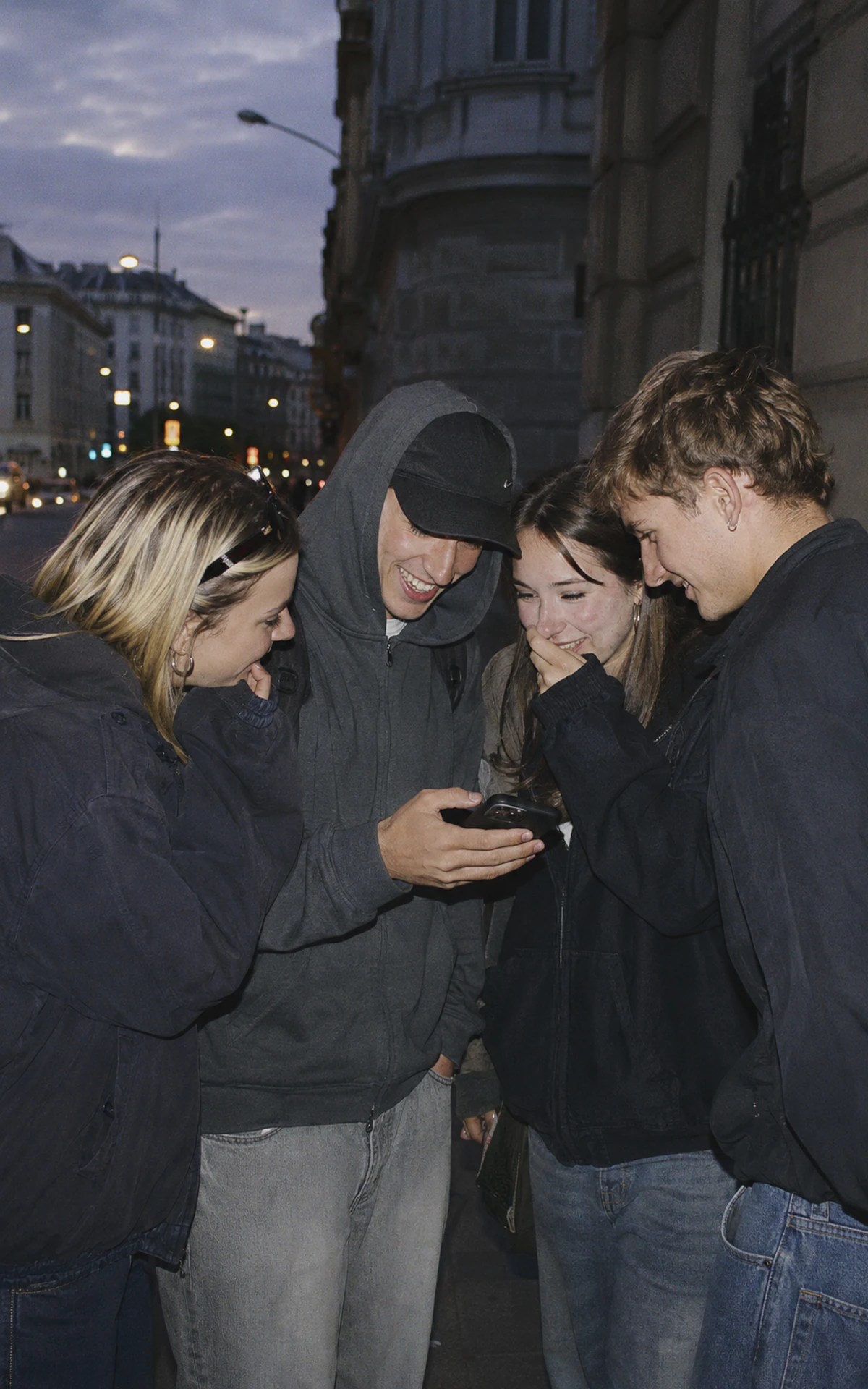
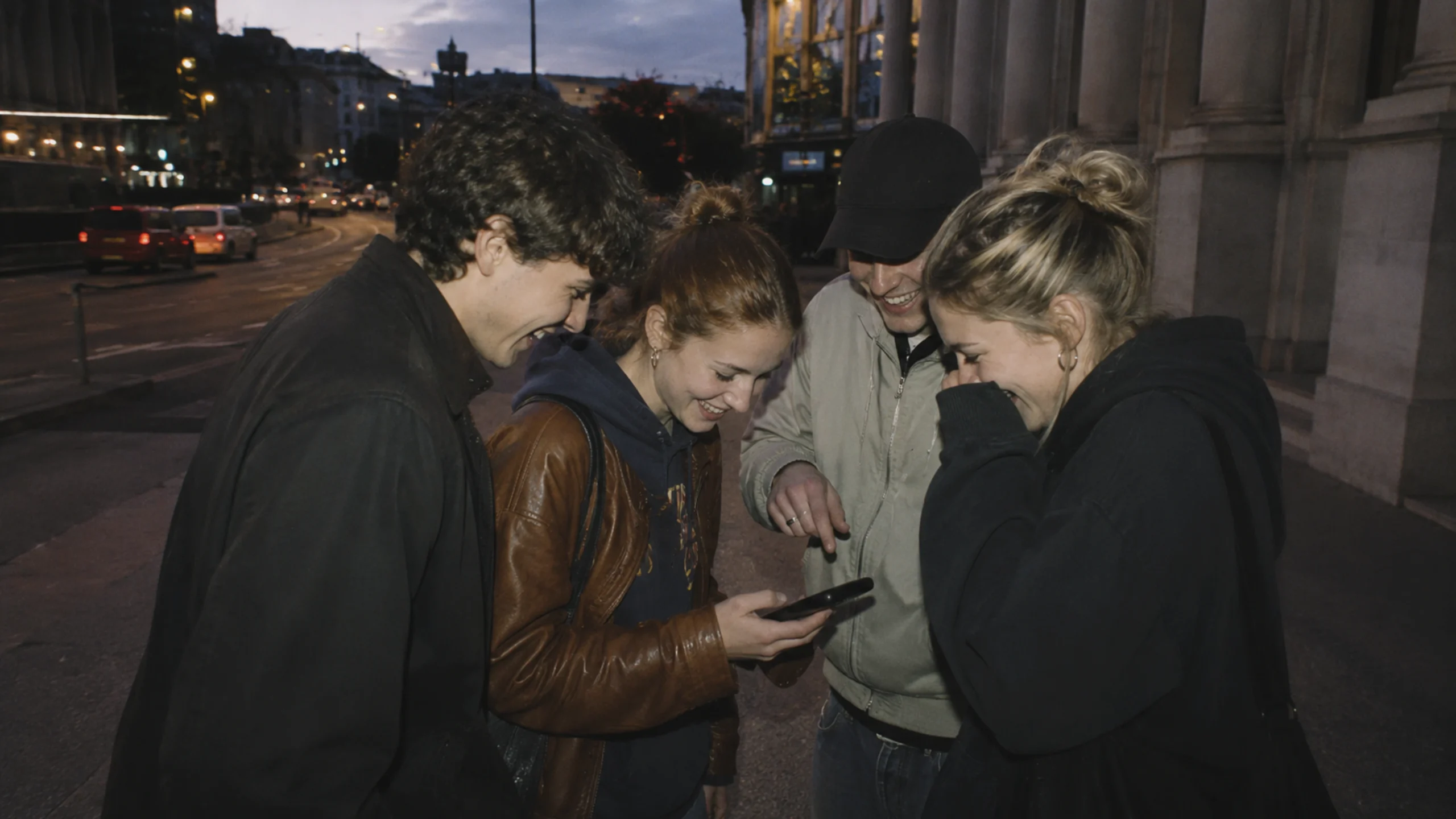
For the “Youth Word 2026” competition, ten candidates are in the running: 67, Crashout, Digga, “You are good enough,” “Gute Käse,” Macker, Peak, Ragebait, Schere, and Süper. The list demonstrates how digital culture and multilingual influences shape the everyday language of a younger generation.
When adults explain a word of the youth, it is often already part of the next meme. This is what makes the Word of the Year election in 2026 special. Many of the nominated terms originate in videos, games, songs, and comment sections. Their meaning can change within a few weeks.
Why everyone is suddenly saying “67”
iksHaus | KI-generiert nach redaktioneller Konzeption, 2026
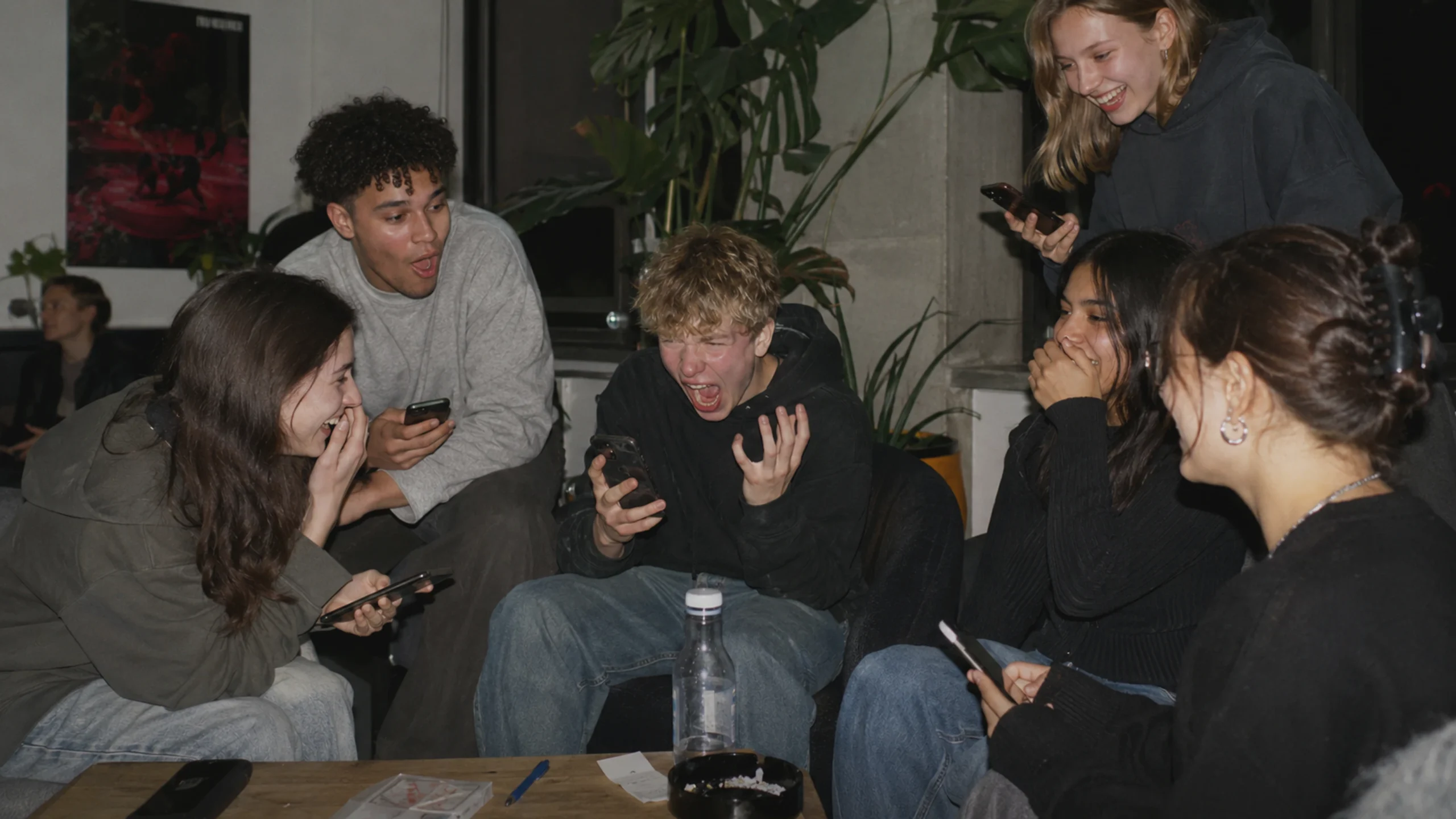
“67” is the most enigmatic term on the list. The expression does not have a clearly defined meaning. Langenscheidt attributes the popularity of the term, in part, to TikTok, basketball memes, and the song “Doot Doot (6 7)” by the rapper Skrilla.
Those who use “67” and know the associated gesture primarily signal that they are familiar with the inside joke. The number is therefore an example of modern meme language. A clear definition is not always necessary if the shared reference to belonging to the joke is sufficient.
Youth Word 2026: Crashout, Ragebait, and other terms
iksHaus | KI-generiert nach redaktioneller Konzeption, 2026
“Crashout” describes a moment when someone completely loses it, has a meltdown, or experiences an emotional explosion. Online, the term can be used seriously, but it is often used ironically.
“Ragebait” refers to content that is deliberately designed to provoke anger. An absurd claim, a provocative opinion, or an obviously exaggerated statement can generate comments, shared posts, and reach. The more people react to it, the more successful the content can become. Langenscheidt describes this mechanism as the core of the term.
“Schere” comes from the gaming scene and means something like “my bad” or “sorry.” It is a short admission of guilt. “Peak,” on the other hand, stands for something maximal, a high point, or the best version. “Guter Käse” means something like really good, stable, or I’m celebrating. The fact that the combination of words makes little literal sense is part of the humor.
“Süper,” “Digga,” and the path to the decision

iksHaus | KI-generiert nach redaktioneller Konzeption, 2026
“Süper” is a Turkish word on the list. It simply means super. Langenscheidt attributes the current popularity to a viral video in which an ultramarathon runner, after his run, responded to the question of how he was feeling with “Super.”
The fact that the term works in German-speaking social media without translation shows the influence of various languages on youth language. “Digga” and “Macker” represent a different mechanism. Older terms can return with new irony and in a new context.
“You are good enough” is also a complete sentence nominated. The phrase comes from a collaboration between KitschKrieg, Shirin David, and Blumengarten. Through TikTok, memes, remixes, and parodies, it has evolved into a recurring online code.
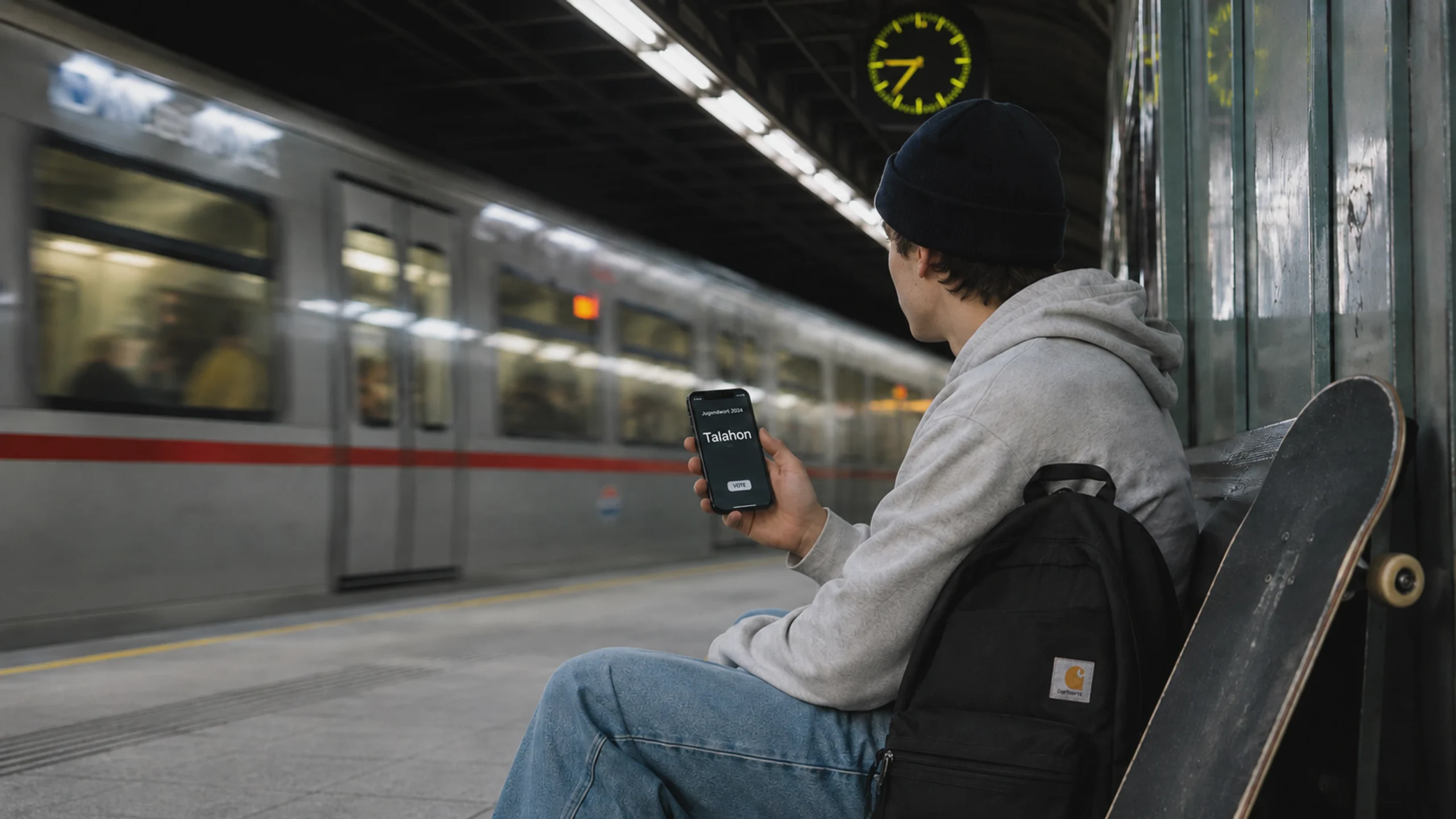
Langenscheidt plans to announce the top 3 on August 28, 2026. This will be followed by the final vote. The Youth Word of the Year 2026 is scheduled to be announced on October 10, 2026, during the Frankfurt Book Fair. The candidates already show that youth language is created simultaneously in games, music, private chats, TikTok videos, and international meme communities.