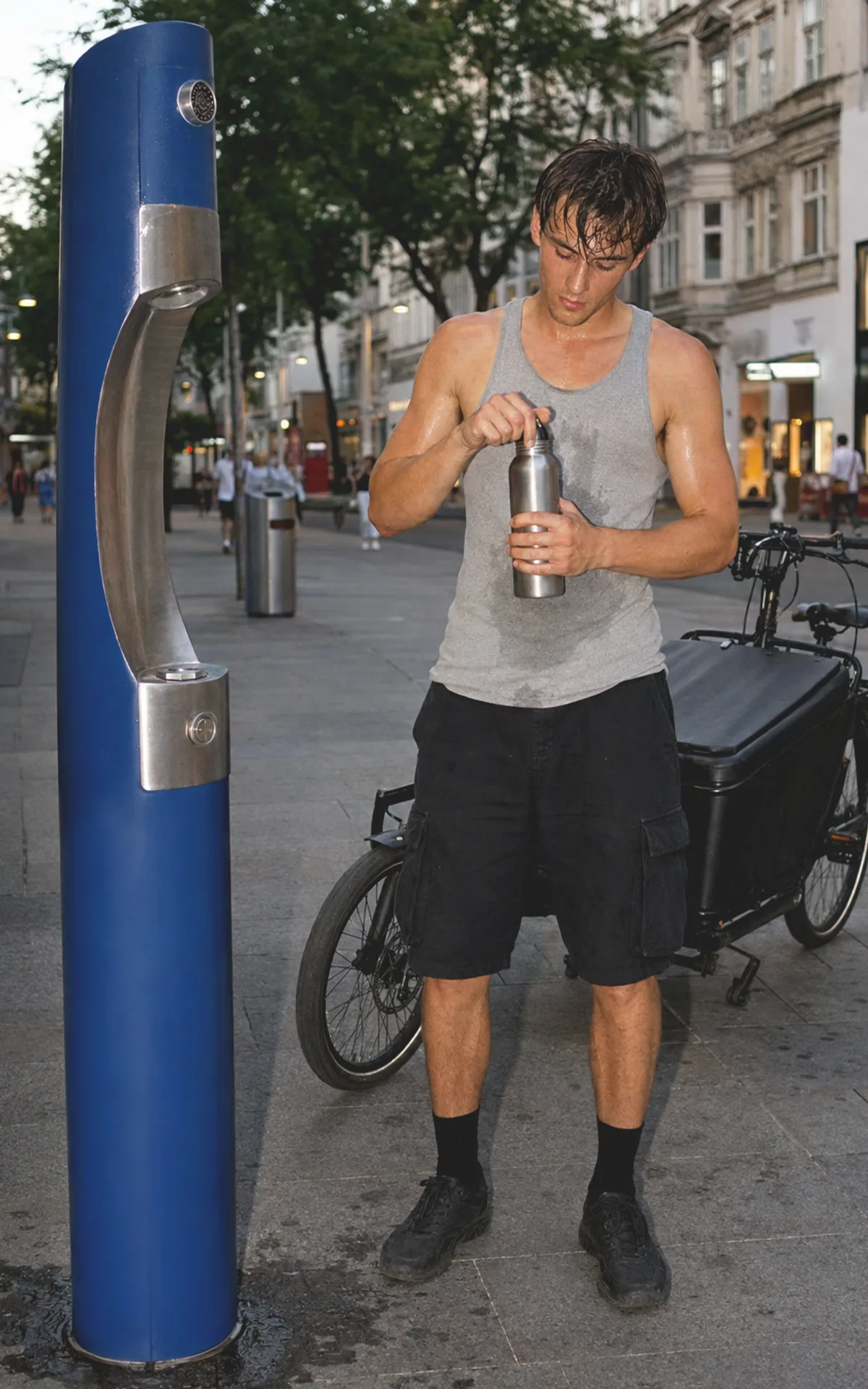
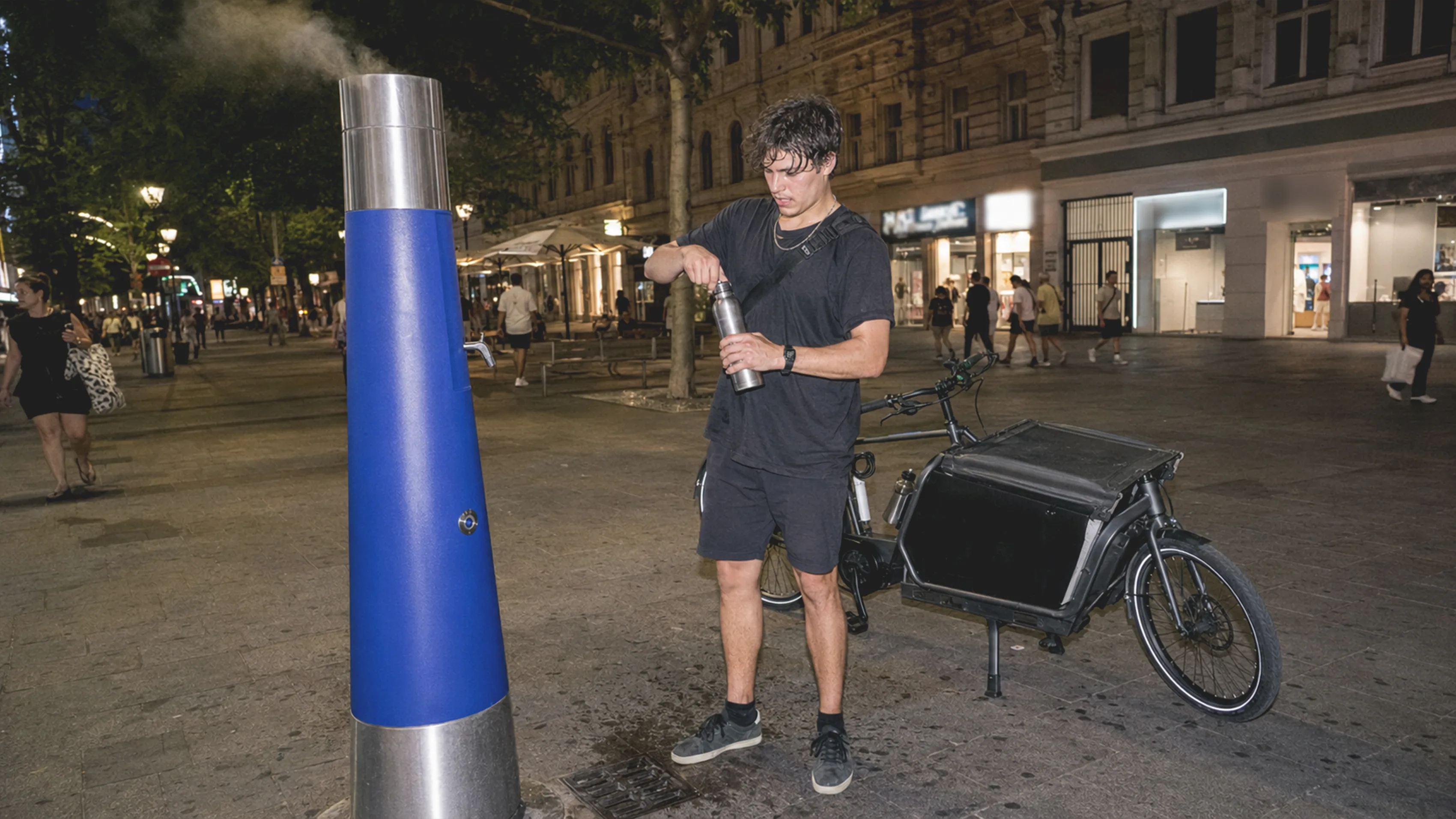
At one o’clock in the morning, the heat is still lingering between the buildings. The asphalt releases what it has stored up during the day; the apartment is already warmer than the hallway, and even an open window hardly creates any movement in the air. Those who have to go to school, a construction site, an office, or a shift in the delivery service the next morning start the day feeling exhausted.
The heatwave summer of 2026 makes visible what is often described abstractly in climate reports: extreme temperatures not only change the weather. They affect sleep, concentration, health, work, mobility, energy supply, and food prices. In cities, a weather situation can quickly become a social issue. Someone living in a poorly insulated attic apartment, working nights, or who cannot afford technical cooling experiences the same temperature differently than someone with a shady garden and air-conditioned rooms.
According to Copernicus, June 2026 was the second warmest month worldwide since the beginning of the ERA5 data series. In Western Europe, it was the hottest June ever recorded. Austria experienced a fourteen-day heatwave in the second half of the month, which even rewrote long-term measurement records.
Fourteen Days That Redefined the Norm
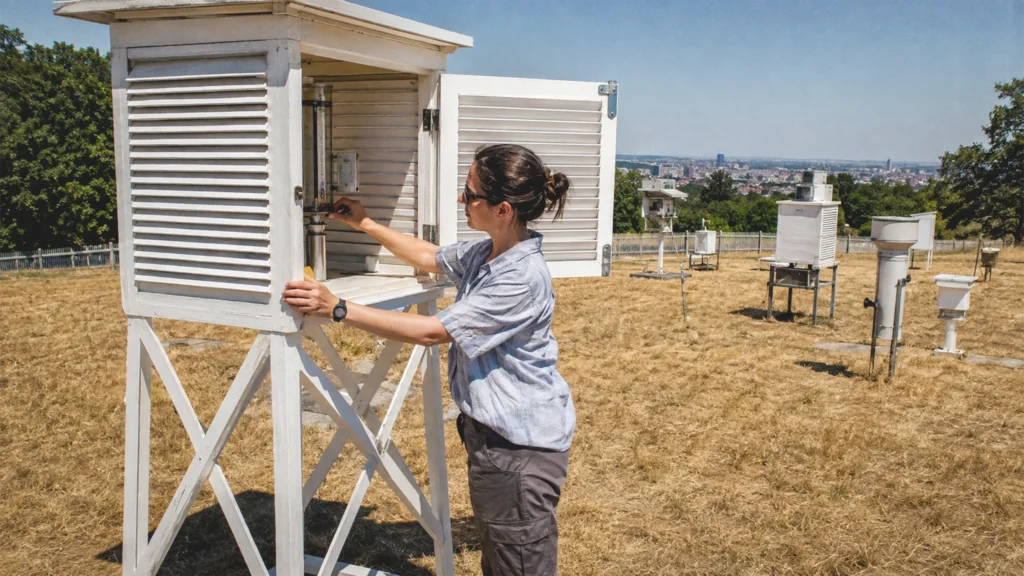
GeoSphere Austria recorded temperatures of up to 40.1 degrees Celsius in the lowlands. Of 277 weather stations, the previous June record was surpassed at 157. At 66 stations, a new annual record was even measured, despite July and August typically being the hottest months.
The increase was particularly dramatic at the Hohen Warte in Vienna. Measurements have been taken there since 1872. The old June record of 36.1 degrees Celsius was exceeded by 3.6 degrees in 2026. The new value of 39.7 degrees Celsius was even higher than the station’s previous annual record.
However, the daily high temperature only tells half the story. Heat becomes particularly dangerous when the body doesn’t get a chance to cool down at night. On the night of June 28th to 29th, the temperature did not drop below 20 degrees Celsius at 94 Austrian weather stations. At the Wiener Jubiläumswarte, the minimum temperature was 27.3 degrees Celsius, the highest nighttime temperature ever recorded in Austria.
A tropical night may sound like a vacation, but in reality, it often leads to poor sleep, headaches, circulatory problems, and reduced concentration the next day. The Austrian health portal also warns of exhaustion and heatstroke if the body can no longer cool down sufficiently. The risk is particularly high for older people, people with chronic illnesses, babies, and young children. However, anyone can be affected.
iksHaus | KI-generiert nach redaktioneller Konzeption, 2026
Heat Doesn’t Affect Everyone Equally
The climate crisis doesn’t act as a neutral filter over the city. It exacerbates existing inequalities. Some apartments can be ventilated at night and shaded during the day. Others retain heat for hours. People who rent their homes often cannot install external shutters or make structural changes themselves. An air conditioner, on the other hand, costs money, consumes electricity, and often releases its waste heat directly into the street.
At the workplace, the type of activity determines how dangerous a hot day becomes. Since January 1, 2026, the heat protection ordinance has been in effect in Austria for outdoor work. As soon as GeoSphere Austria reaches warning level 2, employers must implement the prescribed protective measures. These may include earlier working hours, less strenuous tasks, shade, water, regular task changes, UV protection clothing, and emergency measures.
This means that heat protection at construction sites and other outdoor workplaces is no longer solely dependent on the goodwill of individual companies. The ordinance recognizes heat and UV radiation as concrete workplace hazards. This is relevant for construction workers, delivery personnel, gardeners, cleaning staff, event teams, and many other people whose work cannot simply be moved to an air-conditioned room.
Anyone who has health concerns during a heatwave can contact the nationwide heat telephone hotline at 0800 880 800. The free consultation provides information, among other things, on hydration, sleep problems, medication, and workplace protection. In medical emergencies, 144 remains the correct number to call.
When drought meets severe weather
The heat did not come alone. According to GeoSphere Austria, from January to the end of June 2026, Austria experienced 27 percent less precipitation than the long-term average. In some regions, the first half of the year was the driest it has been since 1885. The areas most affected included the Vienna Basin, the Weinviertel region, and parts of Burgenland.
For agriculture, this combination of dry soil and extreme evaporation creates enormous stress. Plants develop earlier, require more water, and lose their yield capacity more quickly during prolonged heat periods. When heavy thunderstorms with hail and heavy rain follow, the dry soil is not automatically saved. Water can flow off the surface, while fields, vineyards, and infrastructure are additionally damaged.
This ultimately affects not only agricultural statistics. Crop failures, more expensive feed, and increasing insurance risks can impact food prices and public budgets. The hot summer shows how closely weather, consumption, and the economy are interconnected.
Vienna’s Largest Ice Storage Unit Operates Underground
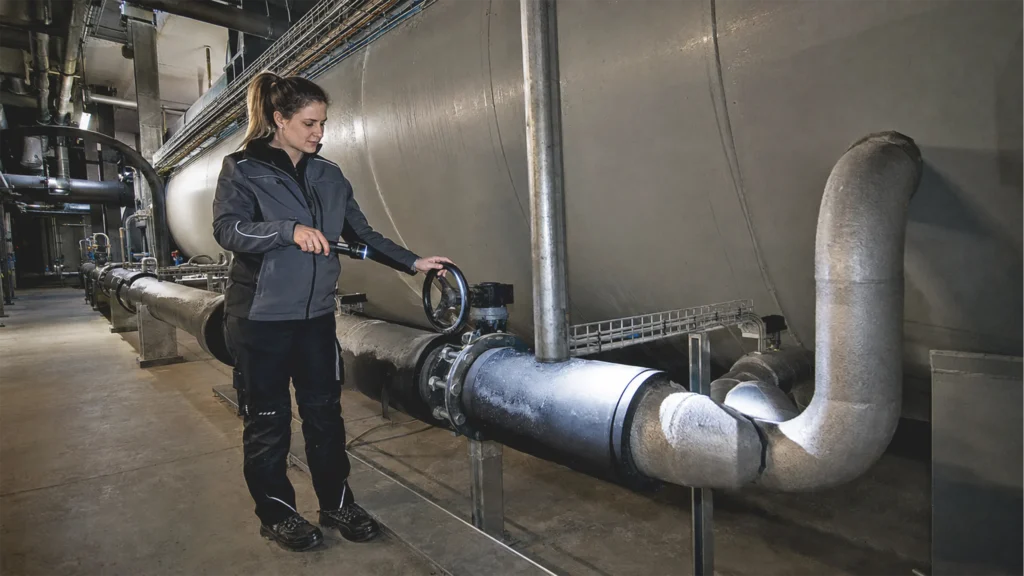
While individual air conditioning units cool rooms and expel their heat outdoors, Vienna is building a central district cooling network. Water is cooled in large facilities to approximately five to six degrees Celsius and transported to buildings via insulated pipes. There, it absorbs heat and returns it to the cooling plant.
According to Wien Energie, district cooling saves up to 50 percent of CO2 emissions compared to conventional air conditioning systems. Approximately 220 buildings are already being supplied, including the AKH hospital, the University of Vienna, the City Hall, hotels, and cultural institutions. The capacity of the system is expected to increase to 370 megawatts by 2030.
The most spectacular feature is located at the new MedUni campus in Mariannengasse. There, a ten-meter-long, insulated water container is installed. With low water consumption, a huge block of ice is frozen. Between 11 am and 4 pm, when particularly intensive cooling is needed, the system melts the ice in a controlled manner and feeds the stored cold into the network.
The ice storage unit is not a futuristic gadget. It shifts the energy demand and helps the cooling machines to operate more evenly and efficiently. Such invisible infrastructures could determine whether a densely populated city remains functional even during prolonged heat waves.
iksHaus | KI-generiert nach redaktioneller Konzeption, 2026
More trees, less concrete, but for whom?
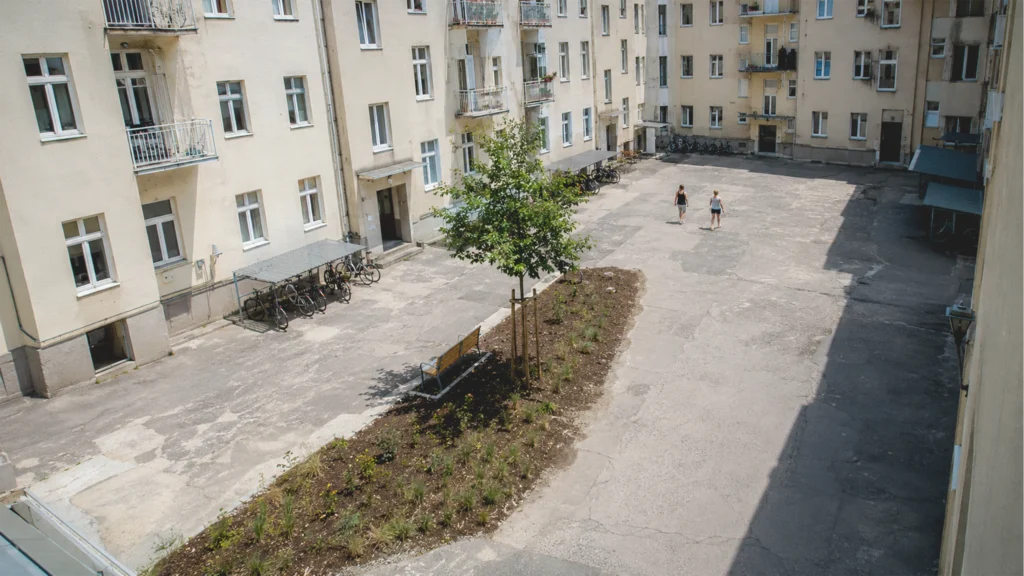
Technology alone will not keep Vienna cool. Asphalt, concrete, and dark facades store solar energy and release it far into the night. Trees have a different effect: they provide shade and cool their surroundings through evaporation.
A study published in 2025, using Vienna as a case study, shows that nature-based solutions in densely built-up areas can reduce the air temperature in certain locations by up to 1.4 degrees Celsius. The additional tree cover made the greatest contribution. Green roofs, on the other hand, had only a minor impact on the maximum air temperature. Therefore, it is not just any decorative greenery that is important, but sufficient space for trees, open soil areas, and interconnected shaded areas.
However, even a “green” city has its social pitfalls. New parks, trees, and more attractive streets can make neighborhoods more livable, thereby increasing pressure on rents. When people with low incomes are displaced from renovated areas, it is precisely those who can least afford private cooling who end up in hotter neighborhoods.
The Vienna study does not conclude that greening automatically causes gentrification. Rather, it shows that climate adaptation and social policy must be planned together. Municipal and subsidized housing can help slow down displacement. Urban green spaces only function as climate protection for everyone if affordable housing remains a reality.
iksHaus | KI-generiert nach redaktioneller Konzeption, 2026
Adaptation is necessary, but it does not solve the root cause
The second Austrian report on the state of climate change shows that Austria has warmed by approximately 3.1 degrees Celsius since 1900, roughly twice the global average. Therefore, more district cooling, heat protection plans, trees, and resilient buildings are no longer optional extras.
However, they remain adaptation measures. They can mitigate consequences, but they do not prevent further greenhouse gas emissions from further increasing temperatures. A city can unseal its squares while simultaneously generating new heat using fossil fuels. It can cool apartments while high electricity costs exclude part of the population from this possibility.
The hot summer of 2026 therefore makes two tasks visible at the same time: Austria must adapt more quickly to changes that are already unavoidable, and at the same time, significantly reduce emissions. The question is no longer whether Vienna needs to be rebuilt. What is crucial is how quickly this transformation takes place and whether everyone benefits from it in the end.