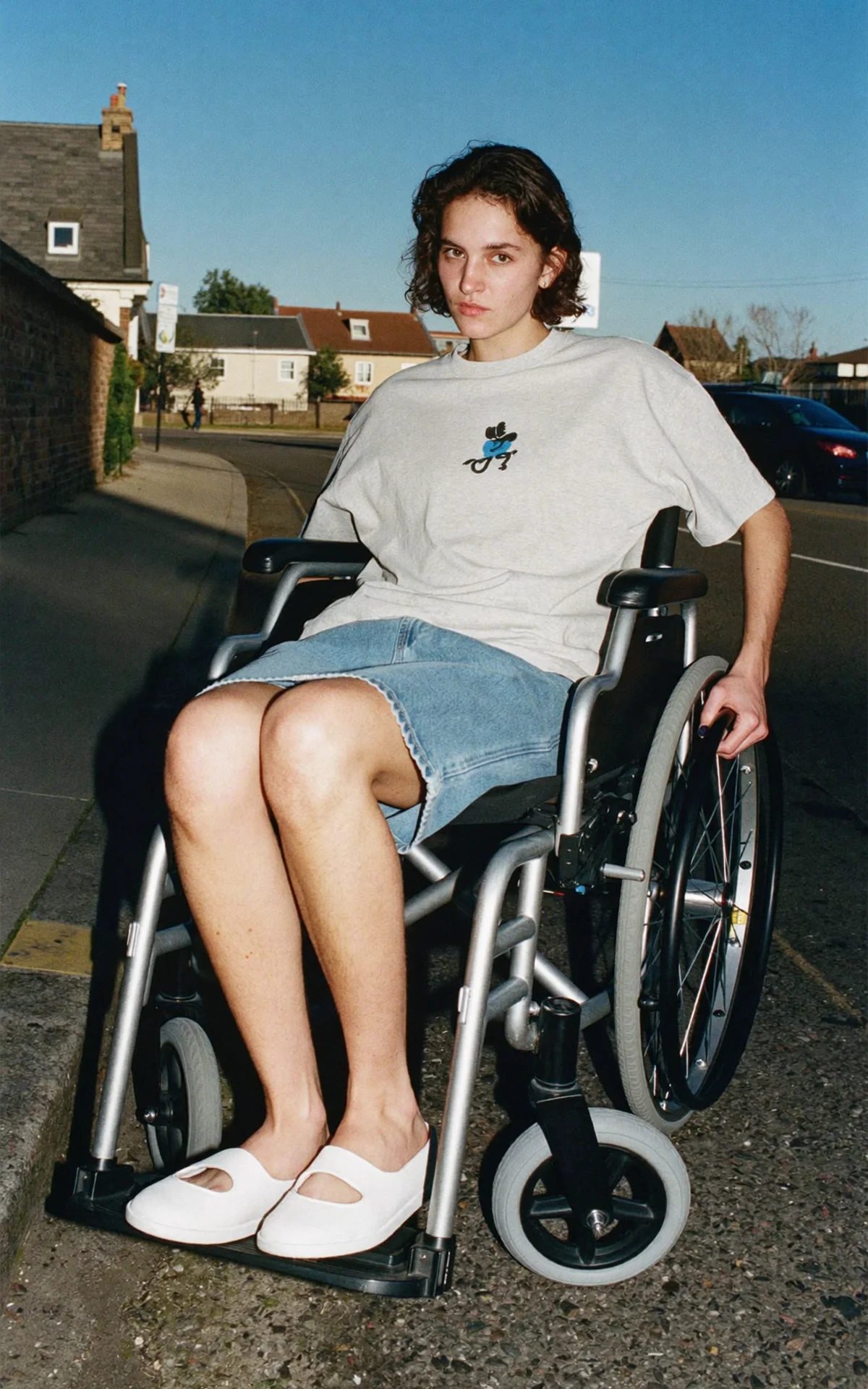
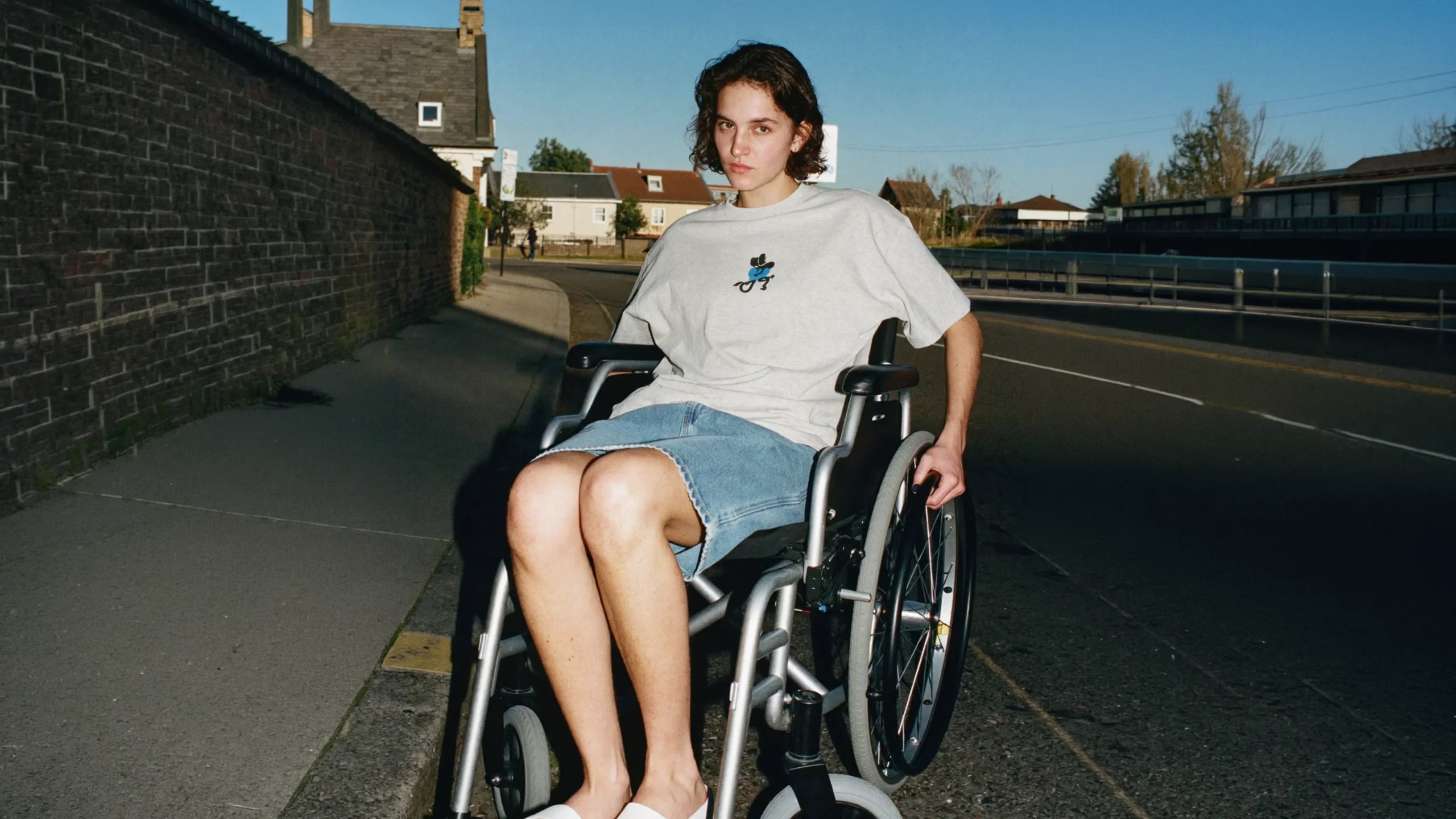
When we think of grief, we usually imagine losses that others can immediately recognize. The death of a loved one. The end of a relationship. The loss of a home, a job, or a phase of life. For these situations, there are words, rituals, and social forms of empathy. People understand that a break has occurred and that time is needed to adjust to a changed reality.
But not every loss is visible. Some losses have no place, no ceremony, and no clear name. There is no funeral for a future that never happened. There is no ritual for the life that a person expected before a diagnosis, a chronic illness, or a disability rearranged everything. That is why this form of grief is often misunderstood.
With a chronic illness or acquired disability, it is rarely just about the symptoms. Of course, pain, exhaustion, mobility limitations, or medical treatments can profoundly change a person’s life. But many people also lose something that is harder to explain: a vision of who they wanted to become. They lose not only abilities or habits, but also an inner narrative about their future life.
iksHaus | KI-generiert nach redaktioneller Konzeption, 2026
We also live in the future that we imagine
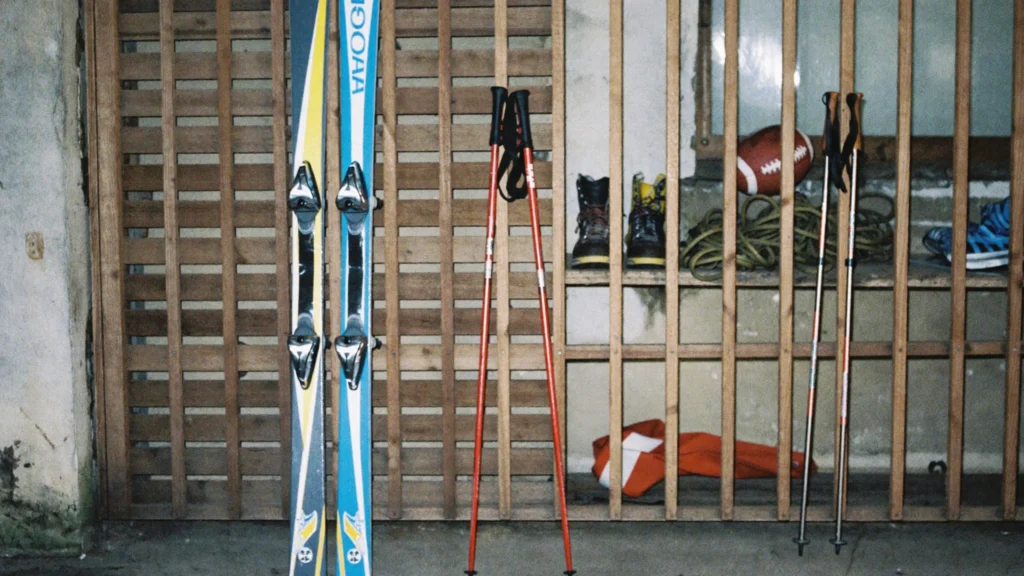
People don’t just live in the present. A large part of our thinking involves planning, expectations, and imagination. When someone starts a degree program, they are not only investing in knowledge, but also in a vision of their future life. When someone enters a relationship, they often do so with the idea of a shared future. When someone saves money, works, travels, exercises, or sets goals, they are acting as if a certain future is possible.
These visions are not illusions in a negative sense. They help us make decisions and give direction to our daily lives. They provide structure to life. That is why the loss of a dreamed-of future can be so painful. When an illness or disability changes the possibilities, a person not only loses individual plans. They sometimes also lose the inner image of who they wanted to be.
This grief is real, even if what is lost never fully existed. It is directed at possibilities, roles, relationships, and life plans. A person may grieve the loss of a career they can no longer pursue. The loss of a sense of physical normalcy. The loss of more complex family planning. The loss of travel, independence, spontaneity, or the feeling of being able to trust one’s own body.
Ambiguous Loss: When What Is Lost Is Difficult to Define
The family therapist and researcher Pauline Boss coined the term “ambiguous loss.” This refers to situations in which a loss has actually occurred, but is neither clearly resolved nor unambiguously visible. This is exactly what many people with a chronic illness or disability experience.
The body is still there, but it may no longer feel familiar. A relationship continues, but it has changed. A career remains possible, but not in the same way. Life goes on, but not on the path that was expected.
This form of loss is particularly difficult because there is no clear boundary. There is no clear before-and-after that would always be recognizable from the outside. Sometimes a person functions well on the outside, while internally a major farewell is taking place. Sometimes others say, “But you’re still here.” That is the point. The person is there, and yet something has been lost.
Sometimes, we grieve not for an ending, but for a change for which there is no public language.
This grief can be confusing. One feels pain, but can hardly explain exactly what one is grieving for. Precisely because of this, those affected do not need hasty encouragement, but recognition. The loss does not have to be visible to everyone in order to be real.
Secondary losses: What hurts is not always just the illness itself
When talking about illness, the focus is often on diagnoses, symptoms, and treatments. However, psychological suffering often arises from so-called secondary losses. These refer to all the changes that occur around the illness.
A person may lose not only physical strength, but also independence. Not only mobility, but also social participation. Not only the ability to work, but also status, income, or the feeling of being needed. Sometimes, one’s role within a family changes. Sometimes, a person who was always there for others suddenly becomes someone who themselves needs support.
These losses often do not occur all at once. They come in waves. One limitation is accepted, then a new one arises. Everyday life stabilizes, then a new life phase changes the meaning of the loss. Someone who has come to terms with a diagnosis may grieve again years later, when friends achieve career goals, have children, or realize plans that once seemed obvious.

iksHaus | KI-generiert nach redaktioneller Konzeption, 2026
This does not mean that acceptance has failed. It means that life continues to move forward. Each new phase can make old losses newly visible. Grief does not return because someone was “not strong enough,” but because the meaning of the loss has changed.
Grief is not always a problem that needs to be solved
A common misconception is to view grief as something that should be overcome as quickly as possible. This idea does not fit well with a chronic illness. Because here, there is often no clear end to the loss. The illness remains, changes, or shapes everyday life to varying degrees.
Grief, therefore, cannot simply be closed like a chapter. It becomes part of a longer process of adaptation. Sometimes it recedes into the background. Sometimes it is brought to the forefront by an event. A doctor’s appointment, a missed outing, a new limitation in daily life, or a comparison with others can be enough to make the pain felt again.
This is not a setback. From a psychological perspective, grief can also be an attempt to reorder meaning. Grief researcher Robert A. Neimeyer describes grief as a process of meaning reconstruction. A loss shakes the image that people have of themselves, of others, and of the world. Grief is then not only a feeling, but also work on creating a new internal map.
Who am I if my old life does not return?
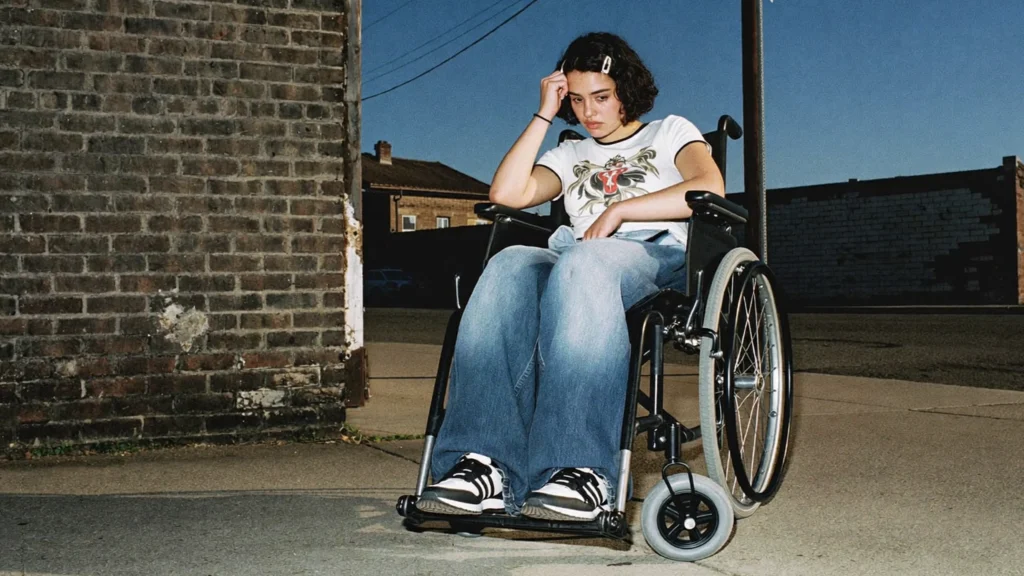
Chronic illness and disability often raise questions that do not have quick answers. Who am I if I can no longer do what used to define me? What does success mean when my body sets different limits? What does closeness mean when I need more support? What does a fulfilling life mean when my original plans are no longer possible?
These questions are not abstract. They delve deeply into identity, relationships, and self-worth. Therefore, it is not enough to tell those affected that they should think positively. Positive thinking cannot replace pain. It cannot bring back a lost future either.
What can help is a slower and more honest approach. First, it is necessary to acknowledge what has been lost. Then, the question can arise of what is still possible. This order is important. Those who look for new possibilities too quickly, without acknowledging the loss, skip a necessary part of the processing.
There are no universal answers to these questions. Each person must find their own. Therefore, grief is unique to each individual.
Grief is the search for a new framework in which life can once again make sense.
iksHaus | KI-generiert nach redaktioneller Konzeption, 2026
When acceptance does not mean giving up
The word “acceptance” is often misunderstood. It can sometimes sound as if a person must stop grieving, abandon their desires, or somehow find something positive in what has happened. However, acceptance does not mean agreement. It does not mean that an illness was meaningful, just, or necessary.
Acceptance is more about not constantly confusing the reality with the lost version of life. It means acknowledging: This is my reality now. Not because it was desired, but because it exists.
Only then does a different question become possible. Not just: “How can I get my old life back?” But: “How can I live in this reality without completely losing myself?”
This shift does not eliminate the pain. But it can create space. Space for new forms of closeness, creativity, work, contribution, joy, or meaning. Not as a replacement for what is lost, but as part of a new life story.
Rediscovering possibilities
The Austrian-American physicist, philosopher, and cyberneticist Heinz von Foerster formulated the ethical imperative to act in a way that increases the number of possibilities. This idea is particularly relevant to people who have to live with a changed future.
Often, it starts with what is no longer possible. This is understandable. A loss needs to be acknowledged. However, long-term adaptation is not only about accepting limitations. It is also about rediscovering the possibilities that remain or can emerge.
These possibilities may look different than before. Perhaps they are smaller, slower, quieter, or less visible. But they can still be meaningful. Integrity, love, creativity, connection, dignity, and meaning are not tied to a single life plan.
What does this mean for us?
At this point, it is worth looking to Vienna. The city is not only the birthplace and place of work for many famous people; it is also where Heinz von Foerster, an Austrian-American physicist, philosopher, and one of the central founders of second-order cybernetics, lived and worked. His work influenced psychotherapy, family therapy, constructivism, and systems theory. Von Foerster believed that the ethical imperative of any action is to increase the number of possibilities.
When someone loses a part of their envisioned future, it’s normal to initially focus on what is no longer possible. Especially in the beginning, this is difficult to avoid, as the loss needs to be acknowledged. However, long-term adaptation involves not only acknowledging lost opportunities, but also gradually discovering the opportunities that remain, in line with Foerster’s idea of increasing the number of possibilities.
Perhaps the biggest mistake when talking about adapting to a chronic illness is the assumption that the goal is to overcome grief as quickly as possible. However, what is crucial is the way a person gives recognition to the significance of what has been lost. Only when we stop fighting against our grief or wanting to get rid of it quickly, does space open up for something new. Not necessarily for optimism or happiness, but for the chance that life opens up to a future again: perhaps not the planned one, but one that is still worth living.