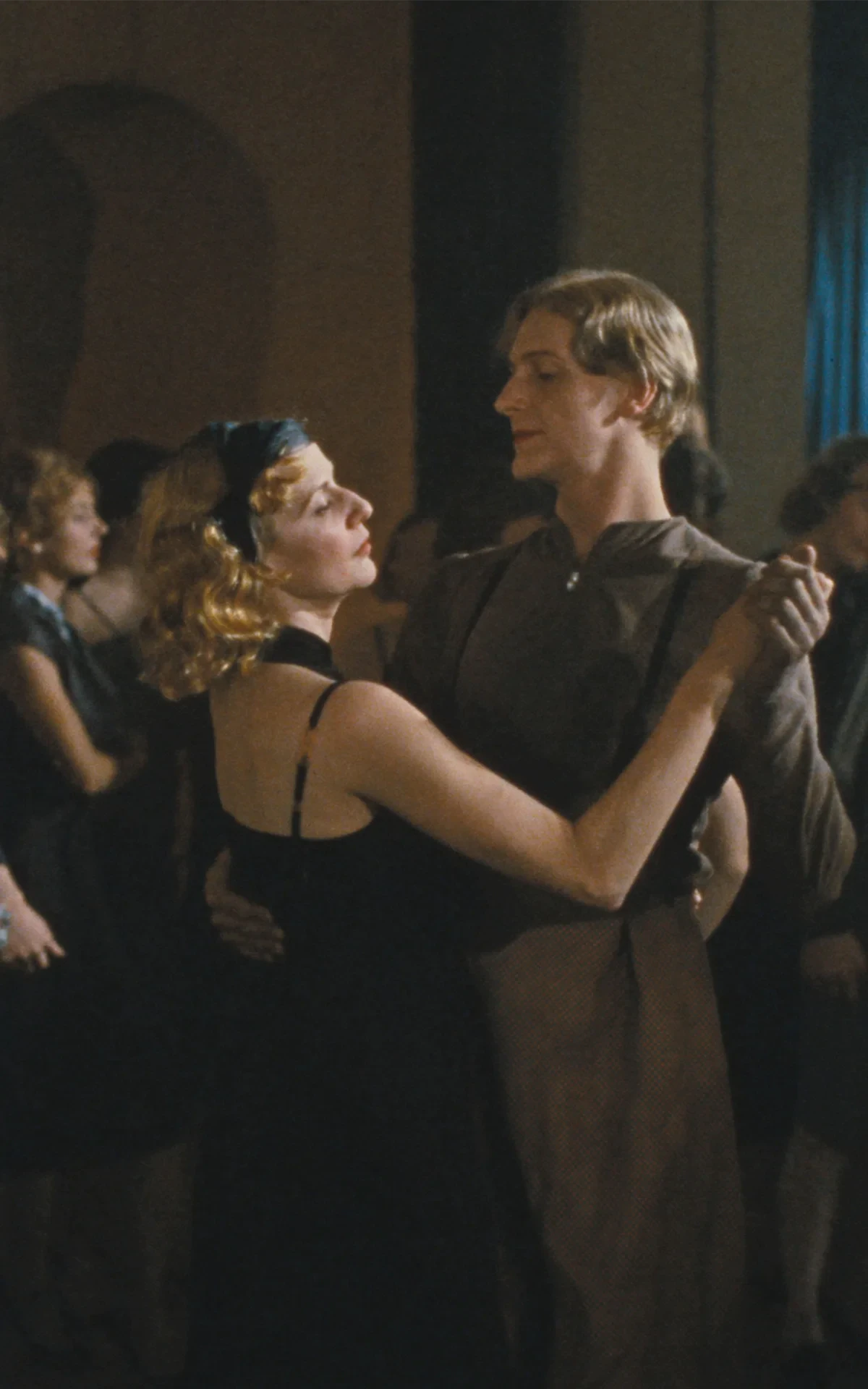
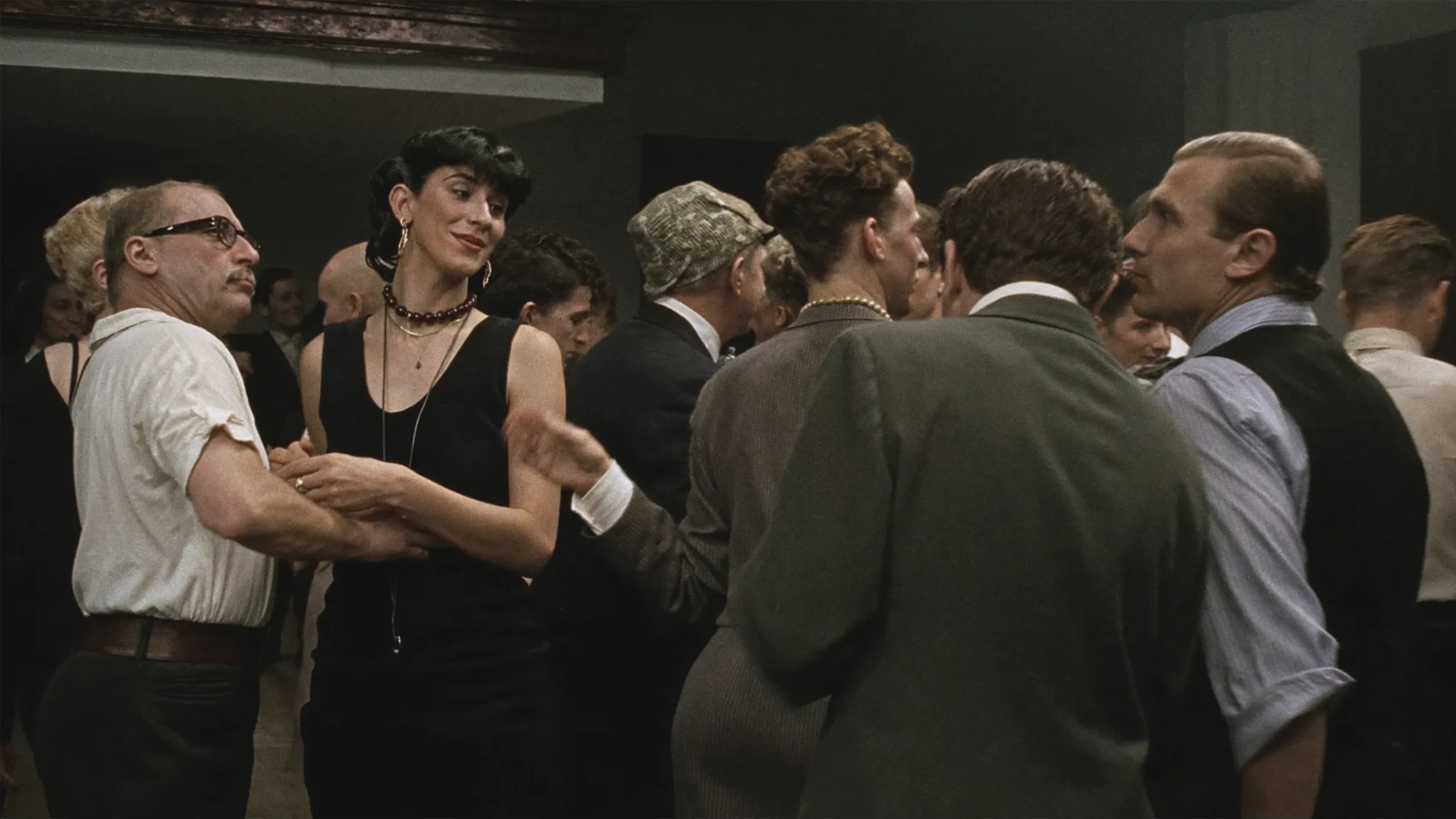
Queer Berlin represents clubs, magazines, and a new public sphere. Men who loved men, women in relationships with women, and people who defied expected gender roles found places for connection and community.
These spaces did not represent complete freedom. While nightlife became visible, Paragraph 175 remained in effect. Cultural openness, social stigmatization, and state threats coexisted.
Queer Berlin: A Time of Progress and Danger
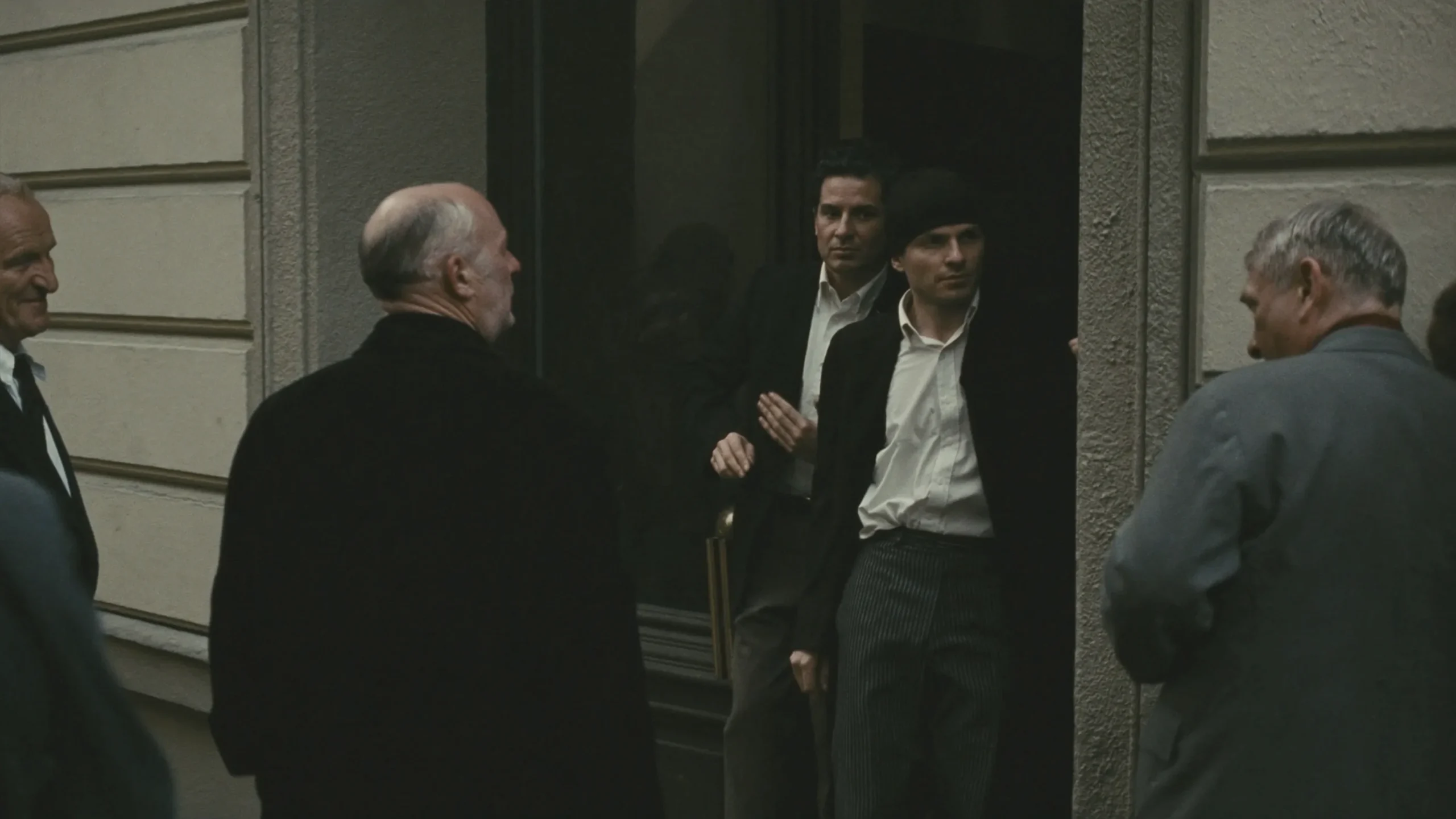
iksHaus | KI-generiert nach redaktioneller Konzeption, 2026
After the First World War, Berlin was undergoing political and social upheaval. The metropolis offered not only anonymity but also facilitated the formation of communities. Queer people found each other through bars, clubs, friendship groups, magazines, and personal ads.
Eldorado became the most famous symbol of this contradictory freedom. Transvestite performances and gender-nonconforming acts were met with an audience of queer regulars, as well as people from theater, film, politics, and international society. Guidebooks and postcards made the venue known far beyond the scene.
This visibility also brought risks. The police, the press, and political opponents knew where people were gathering. What was sometimes tolerated as part of the nightlife could become dangerous with a change in political direction.
Own spaces, magazines, and networks
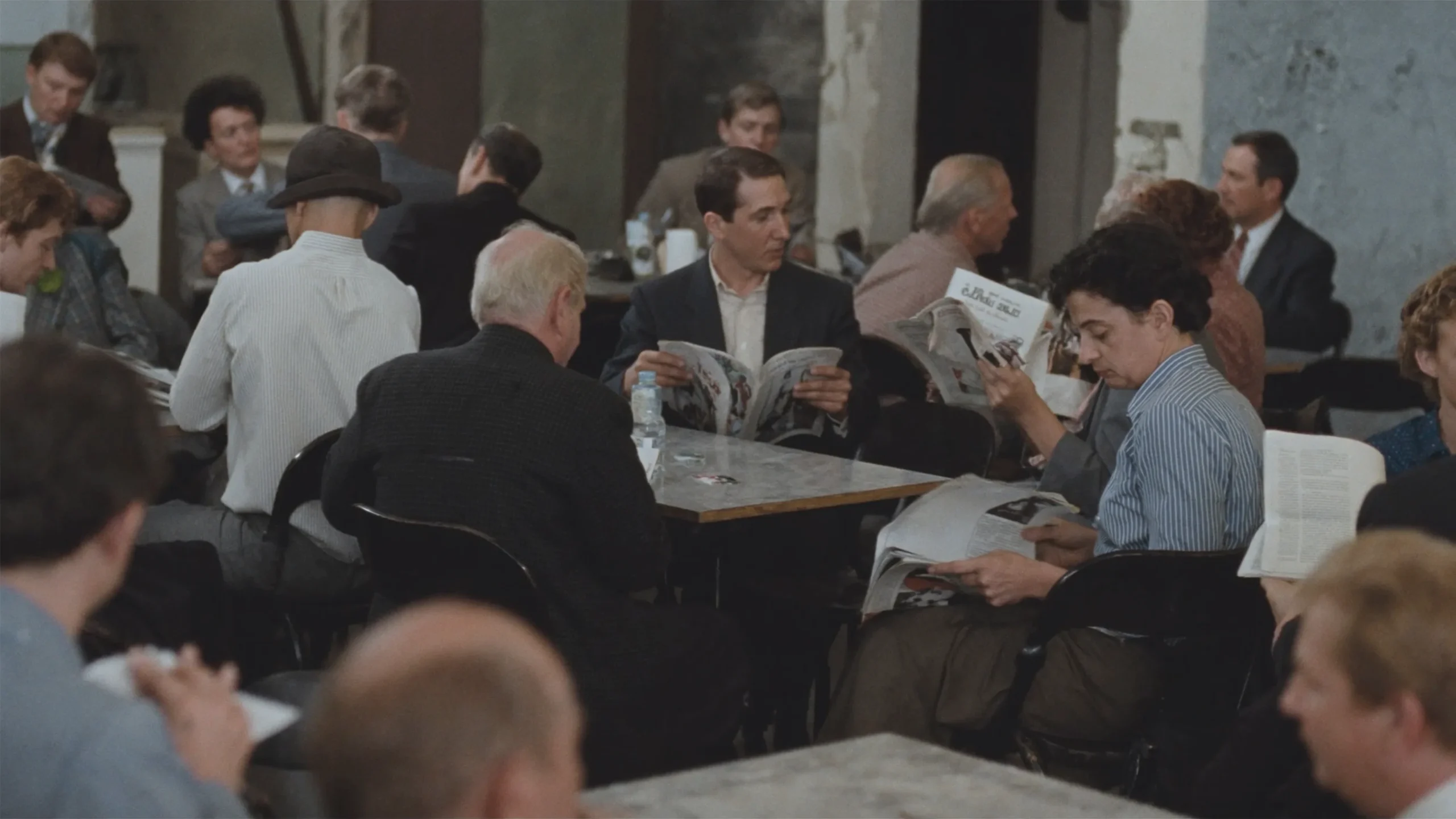
iksHaus | KI-generiert nach redaktioneller Konzeption, 2026
Queer Berlin consisted of elegant dance halls, small bars, club premises, cafes, and other meeting places. People from different social groups created many small public spaces that overlapped and sometimes competed with each other.
A venue could offer much more than just entertainment. Contacts were made, accommodation was arranged, events were announced, and political campaigns were discussed. Community was formed at tables, on dance floors, and in late-night conversations.
Magazines also connected people. Publications for gay men, lesbians, and people who used the terms for gender diversity at the time, contained political texts, literature, event announcements, and personal ads.
Paragraph 175 and the end of possibilities
iksHaus | KI-generiert nach redaktioneller Konzeption, 2026
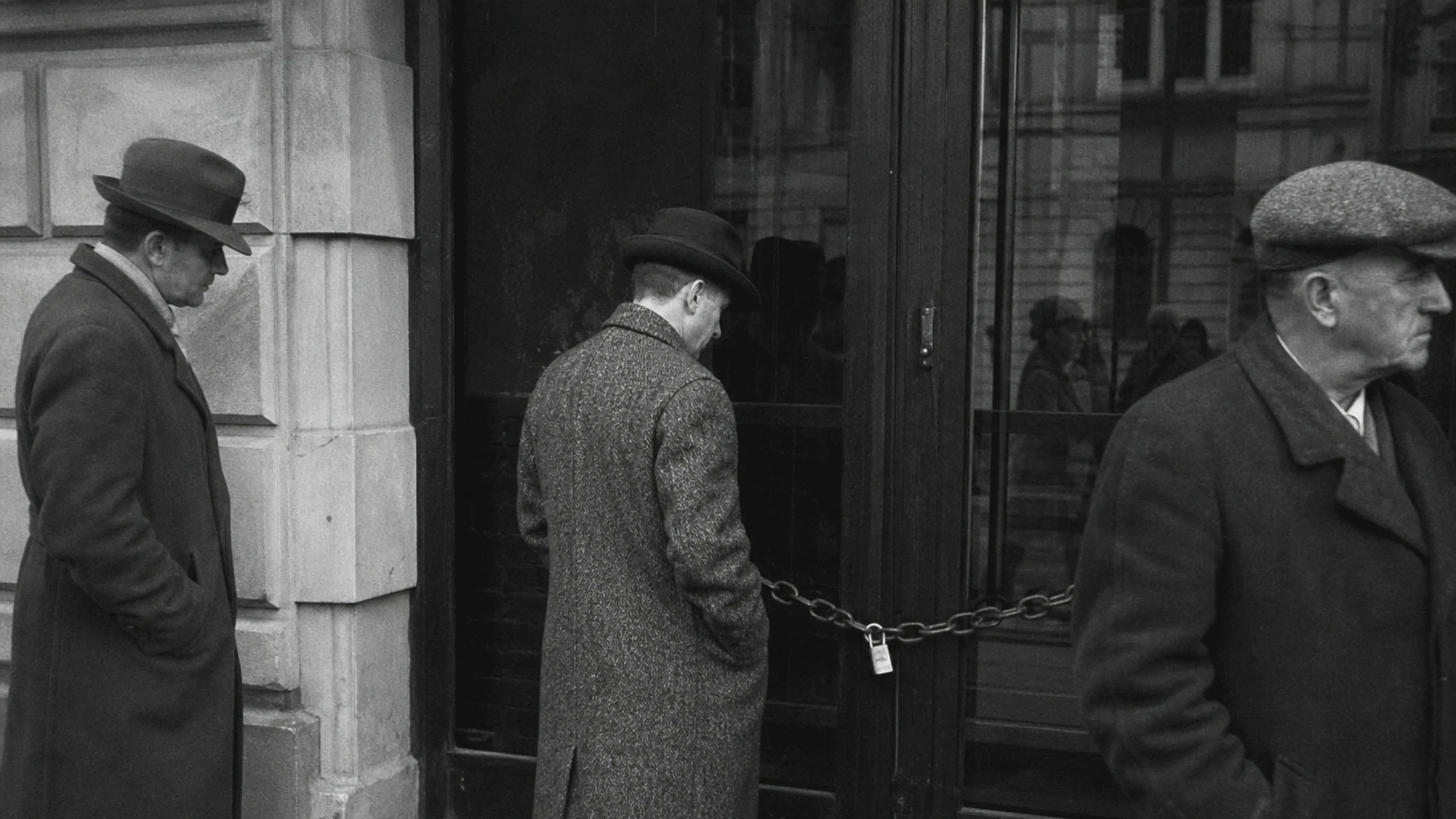
Paragraph 175 continued to criminalize sexual acts between men. In Berlin, the law was enforced less aggressively in some phases of German history than in others. However, it never disappeared from the lives of gay men.
An advertisement, an argument, an intercepted letter, or the statement of an acquaintance could turn private relationships into the subject of state investigations. Even without a conviction, suspicion alone could jeopardize a job or family relationships.
Even before 1933, the political climate worsened. Authorities took action against dance events and venues. The Eldorado came under pressure and had to close. After 1933, venues were closed, magazines were banned, organizations were dissolved, and archives were looted. Many people destroyed letters and photographs, withdrew, or fled.
Women created their own public spaces
Lesbian women organized clubs, balls, readings, and networks. The magazine Die Freundin made relationships between women visible and provided space for debates about independence, love, and societal expectations. Lotte Hahm combined entertainment with political and social work.
This visibility was constantly contested. Relationships between women could sometimes remain outside the scope of state persecution because female sexuality was underestimated or denied. However, the same invisibility made it difficult to gain recognition and protection. Claire Waldoff embodied a confident Berlin modernity through her performances and her life with a woman.
Everyday life beyond the stage
Most queer life did not take place in the spotlight. It consisted of friendships, letters, shared apartments, chosen families, and cautious encounters. Some people lived openly in certain circles, while others remained hidden.
Not everyone could visit well-known establishments or feel safe there. Social status, gender, and origin influenced who could become visible. The terms used also differed from today’s identities. Scientific curiosity, personal support, and pathologization coexisted.
What remained of that brief freedom
The history of these years is not only a prelude to persecution. Queer people were organizers, authors, artists, lovers, guests, neighbors, and political activists. They created their own spaces, media, and a language for their experiences.
Many magazines and biographies disappeared or were long suppressed. Preserved issues, photographs, police documents, association records, and memories still show the diversity of this world. Thus, Eldorado represents not only a lost night, but also an attempt to bring freedom into everyday life.