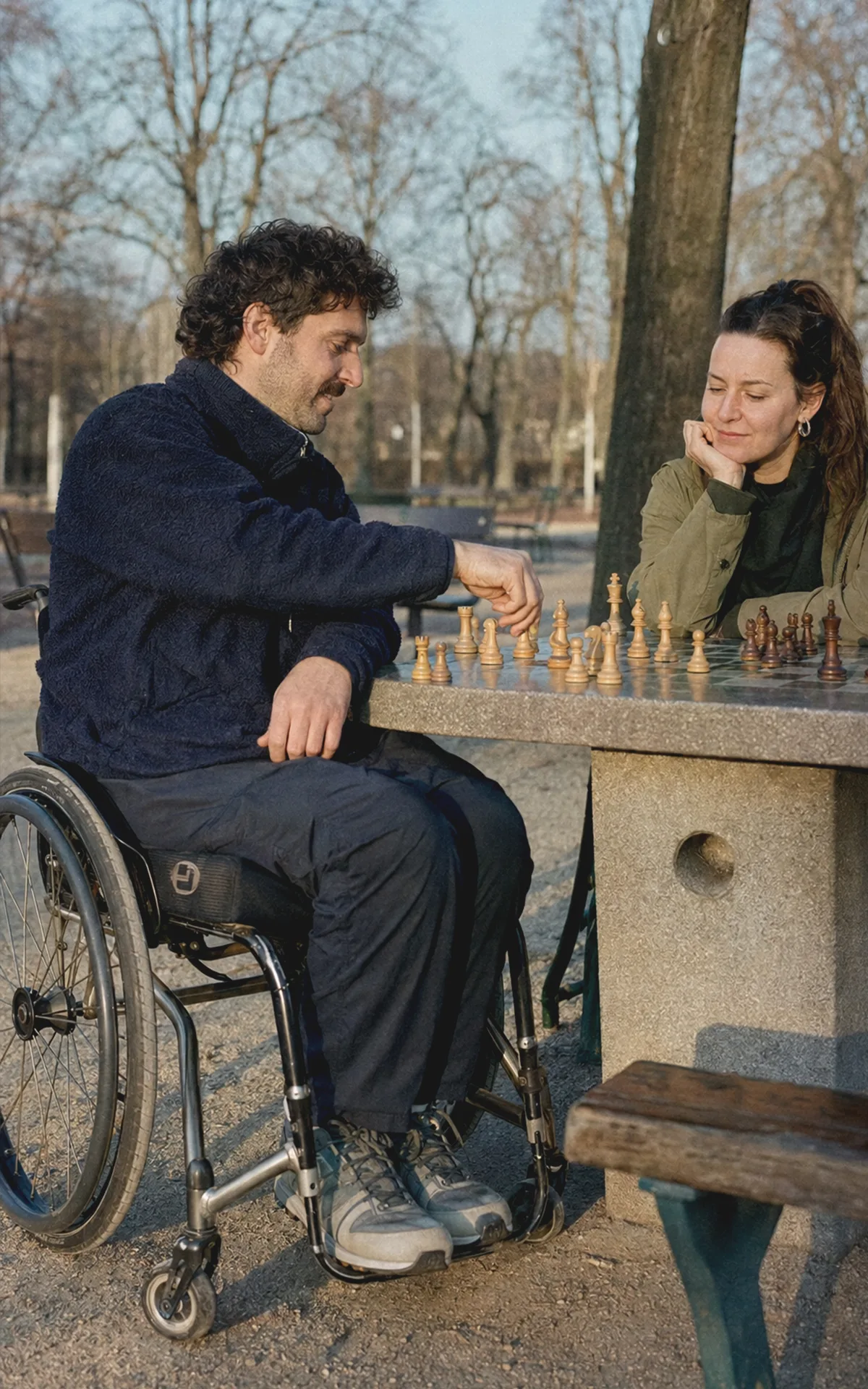
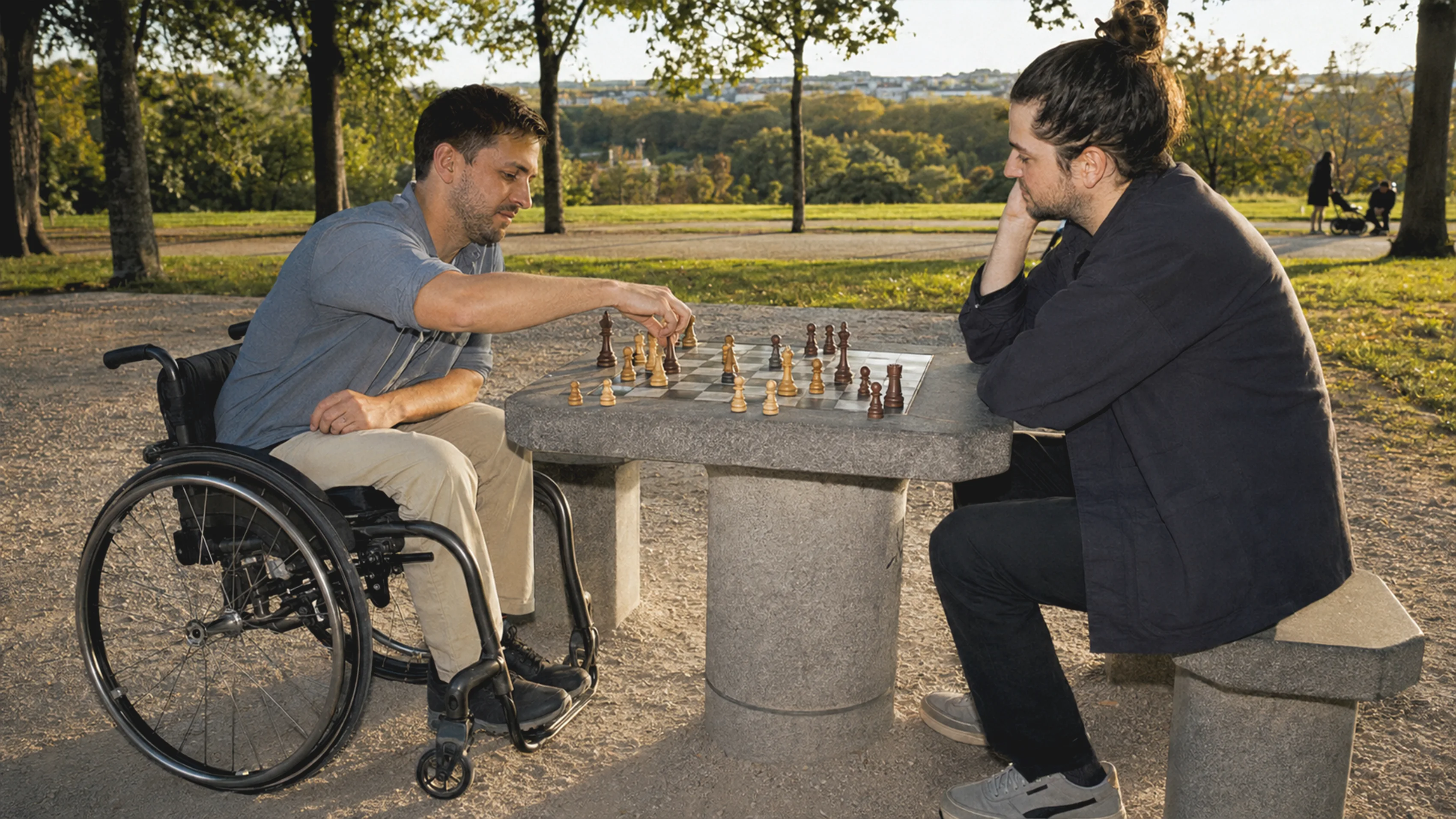
Receiving a diagnosis or acquiring a disability never happens in a psychological vacuum. Even if the medical situation is comparable, the emotional reactions of two people can be fundamentally different. Some seek support, gradually adapt their daily lives, and gradually rebuild a meaningful life. Others are overwhelmed by fear, withdraw from relationships, or constantly seek validation from others.
These differences are not always due to the type or severity of the disability. Often, they relate to something much older than the diagnosis: our attachment system. It influences how we experience closeness, whether we perceive help as safe, and what happens inside us when dependence suddenly becomes not abstract, but part of everyday life.
Disability activates one of our oldest survival systems
Attachment theory, developed by John Bowlby and later expanded by Mary Ainsworth, posits that humans are biologically predisposed to seek security in connection with familiar people. In childhood, caregivers become a so-called secure base. We turn to them when we are afraid, sick, or unable to regulate ourselves in a stressful situation.
A serious diagnosis can reactivate this system decades later. Suddenly, the previously taken-for-granted independence feels uncertain. One’s own body becomes unpredictable. Routines, plans, and visions of the future lose their reliability. Internally, questions arise that are similar to those of a frightened child:
Who will stay with me?
Can I rely on others?
Am I still worthy of love?
Will I become a burden?
These questions are not a sign of weakness. They are an expression of fundamental survival mechanisms. What is crucial is not whether they arise, but how a person has learned to cope with closeness, uncertainty, and the need for help.
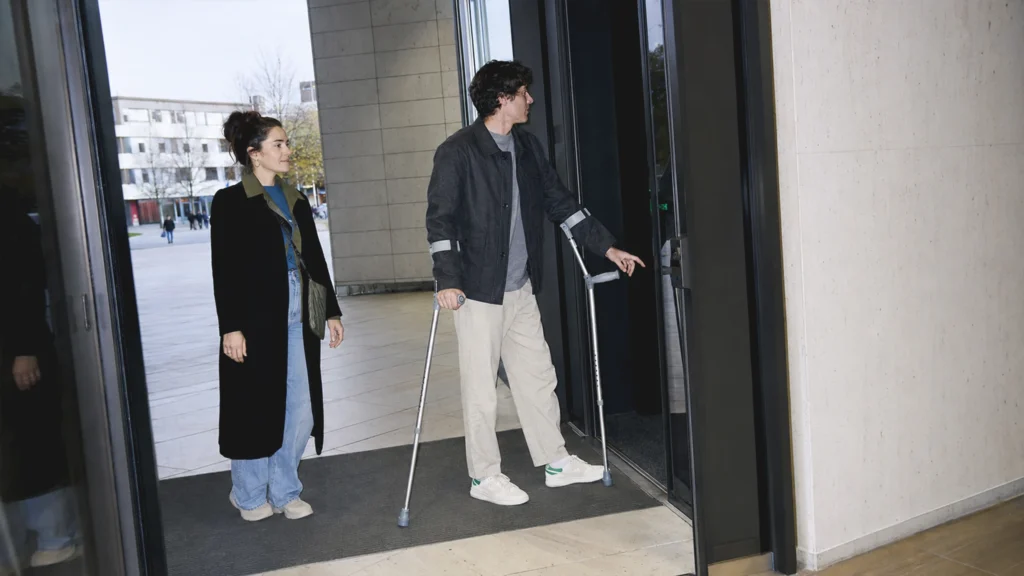
iksHaus | KI-generiert nach redaktioneller Konzeption, 2026
Four attachment patterns after a disability
Attachment patterns are neither rigid diagnoses nor complete personality descriptions. However, they help to understand why people develop very different strategies in comparable situations. One person may seek support, another may reject it. A third may experience every delay as an impending relationship breakdown, while a fourth simultaneously needs closeness but recoils from it.
Secure attachment
People with a more secure attachment pattern can allow themselves to grieve while remaining open to support. They do not have to deny the pain, but they are also not completely defined by it. Accepting help does not automatically mean losing autonomy or dignity for them.
They can express their needs without generally feeling ashamed. Even during a long rehabilitation, hope remains possible without having to suppress difficult feelings. Acceptance does not mean approving of the disability; it means acknowledging the changed reality without losing one’s own identity.
Anxious attachment
With an anxious attachment pattern, the disability can be experienced primarily as a danger of being abandoned. Those affected may frequently seek reassurance from partners, family members, or medical professionals. An unanswered message, a postponed appointment, or a change in symptoms can trigger intense anxiety.
The disability is then linked to the fear of being left alone. The need for closeness is real, but even existing affection often only provides temporary relief. The inner state of alert constantly seeks signs that support might disappear.
Avoidant attachment
People with an avoidant attachment style often react in the opposite direction. They downplay their symptoms, reject help, avoid emotional conversations, and insist on complete independence, even when this attitude harms them.
The internal message is often: “If I need someone, I will ultimately be disappointed.” What appears to be exceptional strength from the outside can therefore be a protection against vulnerability. The refusal to accept support may provide a temporary sense of control, but can ultimately exacerbate exhaustion and isolation.
Disorganized Attachment
For some people, especially those with a history of trauma or abuse, a disability creates a difficult dilemma. They need care and reliability, but at the same time, they fear the very people from whom this support might come.
Relationships become a confusing mix of dependence, mistrust, anger, and shame. The nervous system attempts to cope with two contradictory realities simultaneously: closeness is needed for survival, and yet is also experienced as a potential danger. Reactions that may seem inconsistent from the outside can therefore be an expression of a system that is trying to protect itself from further harm.
Relationships can be a source of healing or additional suffering
The quality of close relationships can have a greater impact on psychological adjustment than the diagnosis itself. Supportive partners, family members, and friendships cannot eliminate a disability. However, they can significantly reduce loneliness, emotional distress, and hopelessness.
What is crucial is how support is offered. Reliable and respectful support respects the decisions of the person affected and allows for self-determination. It helps without dominating, and is available without reducing the person to their need for help.
Criticism, emotional neglect, overprotection, or constant pity can, on the other hand, deepen psychological suffering. Even well-intentioned help can become burdensome if it is offered unsolicited or if it denies the affected person any sense of competence. Healing therefore does not occur solely within an individual. It also arises in relationships where a sense of security, boundaries, and mutual respect can be rediscovered.

iksHaus | KI-generiert nach redaktioneller Konzeption, 2026
Psychotherapy offers more than just coping strategies
Psychotherapy cannot restore a damaged spinal cord, reverse multiple sclerosis, or eliminate a chronic illness. However, it can support people in re-evaluating the meaning of their experience.
From a constructivist perspective, suffering is not determined solely by an event. Equally important are the interpretations through which this event is experienced and integrated into one’s life story. A diagnosis can then not only signify physical changes, but also a perceived loss of value, dependence, or the loss of an expected future.
When therapists offer a secure relationship, clients can gradually develop new perspectives on themselves. They no longer have to see themselves as damaged individuals, but can experience themselves as whole people living under changed conditions.
This process is not about positive thinking. It is not about dismissing pain or forcing an optimistic narrative. It is about expanding possibilities. The cybernetician Heinz von Foerster, in essence, stated that ethical action should increase the number of choices. For many people with disabilities, psychotherapy can achieve precisely this: the experience that life offers more options than the initial diagnosis might suggest.
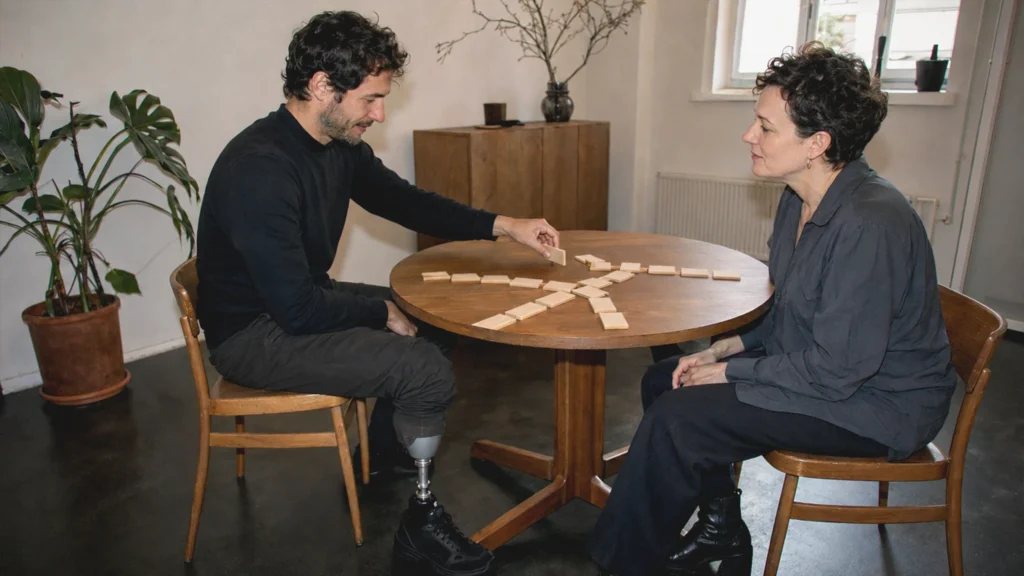
iksHaus | KI-generiert nach redaktioneller Konzeption, 2026
Attachment-oriented and trauma-sensitive approaches
Attachment-based psychotherapy can be combined with various approaches. This includes IFS, the Internal Family Systems Model. It deals, among other things, with inner aspects and attachment injuries that may underlie an attachment pattern. Frank Anderson, MD, is one of the internationally known experts who combine IFS with trauma therapy.
Trauma-focused cognitive behavioral therapy (TF-CBT) has also shown effectiveness in reducing trauma-related symptoms, especially in children and adolescents after traumatic experiences. It offers structured interventions for emotion regulation, cognitive reappraisal, and gradual exposure.
Many adults with disabilities also benefit from approaches that address relationship patterns, the reconstruction of one’s own identity, emotional experiences, and the restoration of safety in interpersonal relationships. This sense of safety can develop during therapy and continue to grow outside of it.
Different therapeutic models address different clinical needs. No single approach is sufficient for every person. Often, a multimodal approach is useful, which combines various techniques and is adapted to the individual, their history, their current life situation, and their goals.
Resilience does not mean not needing anyone
Disability affects not only muscles, nerves, vision, hearing, or mobility. It also touches upon our earliest expectations of love, security, dependence, and belonging.
The attachment perspective reminds us that psychological healing is rarely a purely individual achievement. It grows in relationships where people are seen, accepted, and emotionally safe. Resilience may not be the absence of the need for others. Perhaps it also lies in the realization that dependence, at the right time and from the right people, has always been a part of being human.