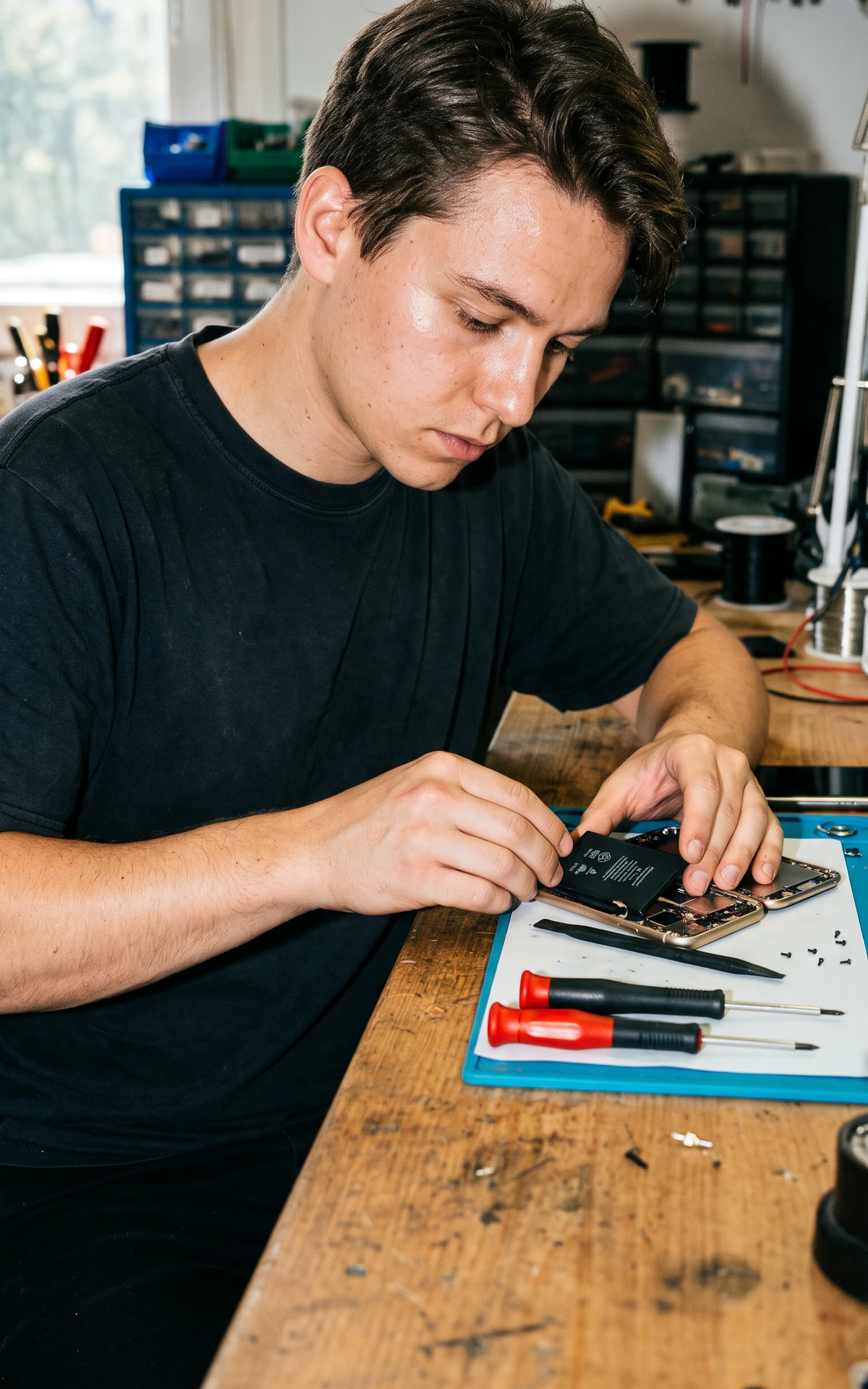
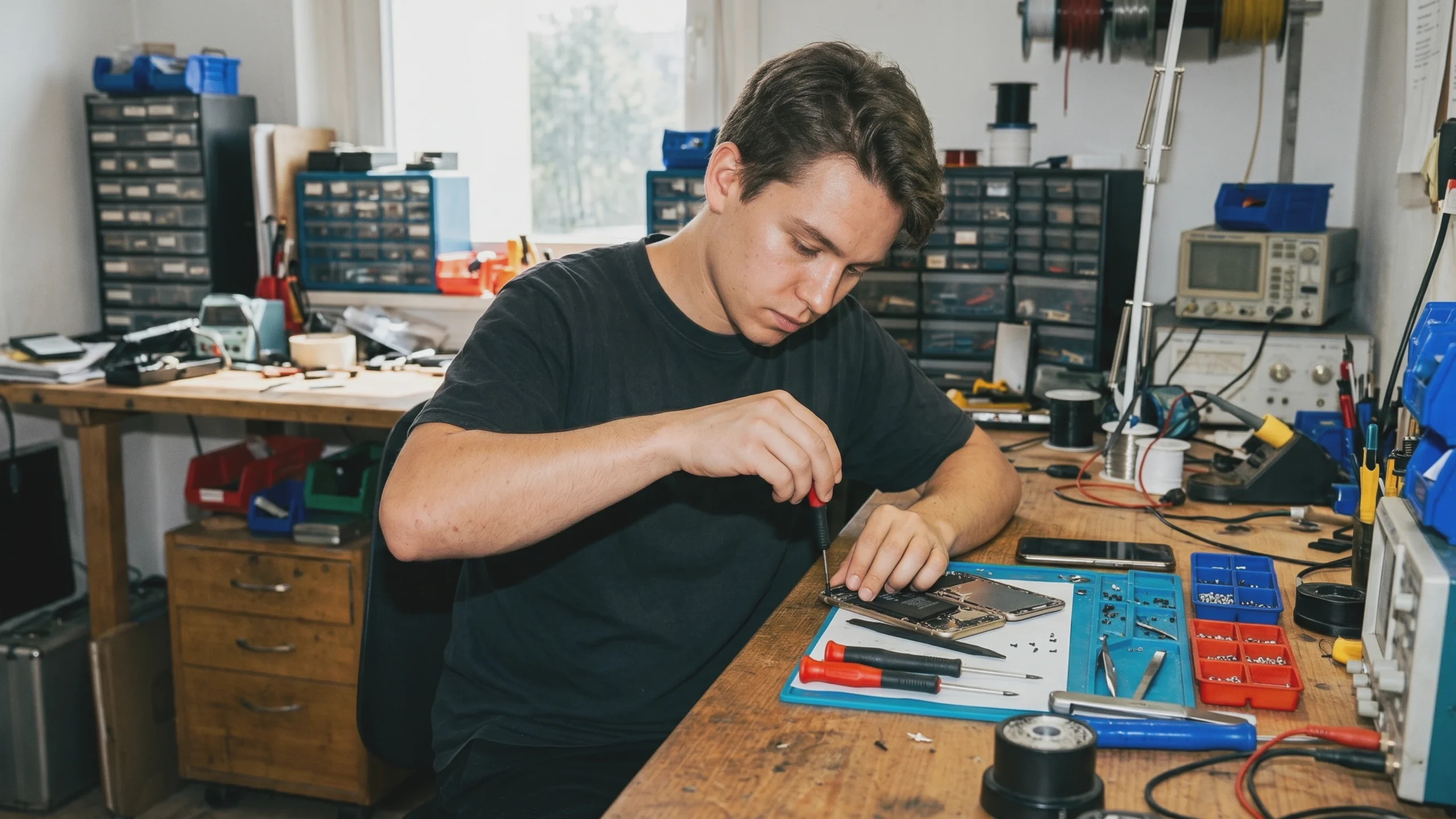
The European Union’s initiative for Reducing electronic waste is bringing about tectonic changes in the smartphone industry. From February 18, 2027, devices on the European market must comply with Regulation (EU) 2023/1542 on batteries, meaning that they must be easily replaceable by users or independent workshops.
Fundamental provisions and their impact on repairability: Basic regulations and their influence on the ability to repair
iksHaus | KI-generiert nach redaktioneller Konzeption, 2026
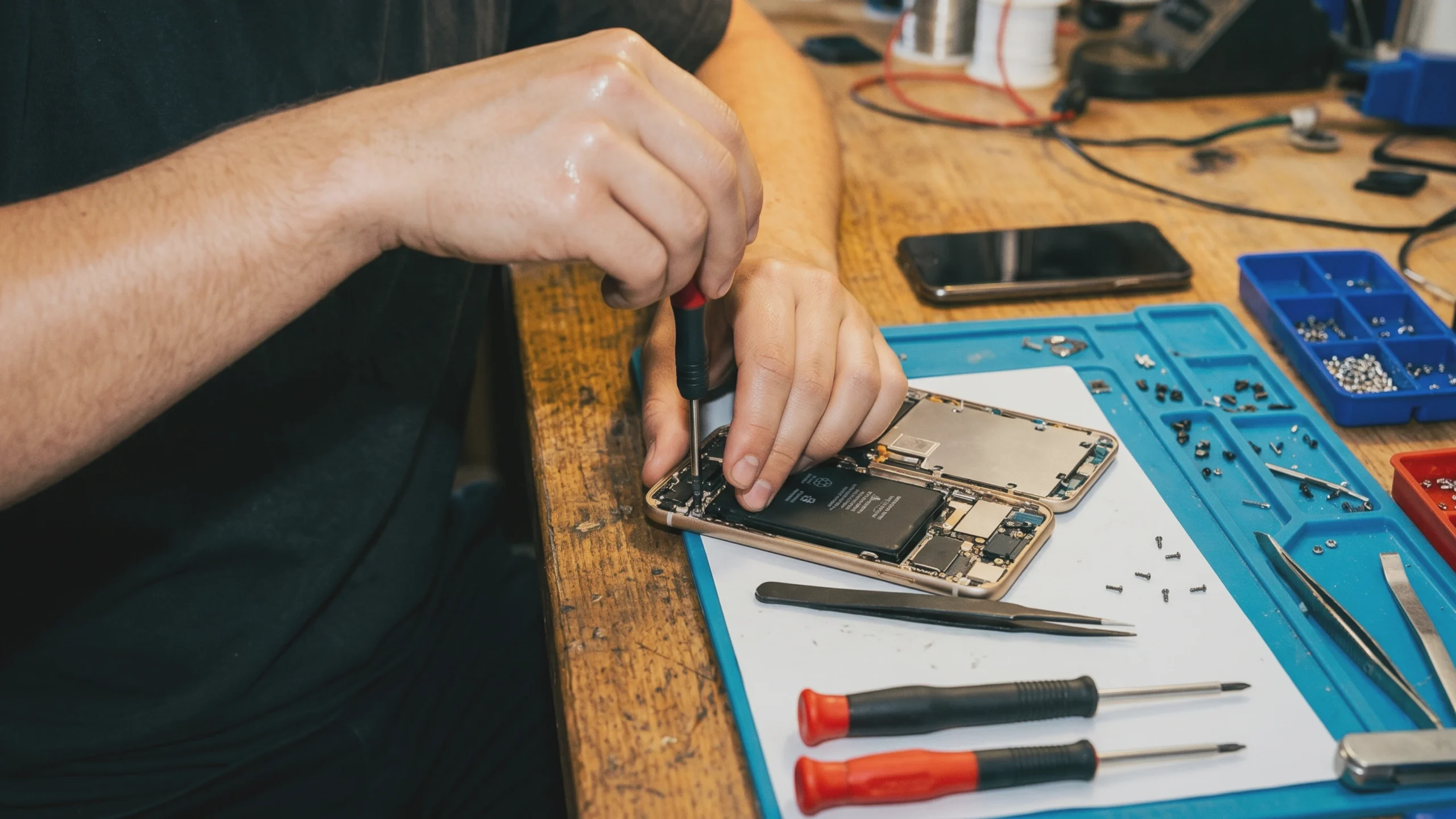
The long-standing practice of using permanent adhesives to install batteries, which made replacement expensive and technically challenging, is coming to an end. The new regulations require that battery replacement be possible with simple, commercially available tools.
The use of specialized, proprietary tools will be prohibited, and if such tools are necessary to disassemble the device, the manufacturer is obligated to provide them free of charge.
Manufacturers are required to ensure the availability of replacement batteries at reasonable prices for at least five years after the end of sales of a particular smartphone model.
Ecodesign and exemptions for waterproof devices: Ecodesign and exemptions for waterproof devices

iksHaus | KI-generiert nach redaktioneller Konzeption, 2026
The legislator has also taken into account technical specificities, such as the need for devices to be waterproof. For this reason, the ecodesign regulation includes specific exceptions.
Manufacturers are not required to allow end-users to independently replace the battery (it is sufficient if professional workshops can do it), but only if the device meets two very strict conditions:
High level of protection (IP certification): The device must be designed with a high level of water and dust resistance (at least IP67).
Exceptional battery durability
iksHaus | KI-generiert nach redaktioneller Konzeption, 2026
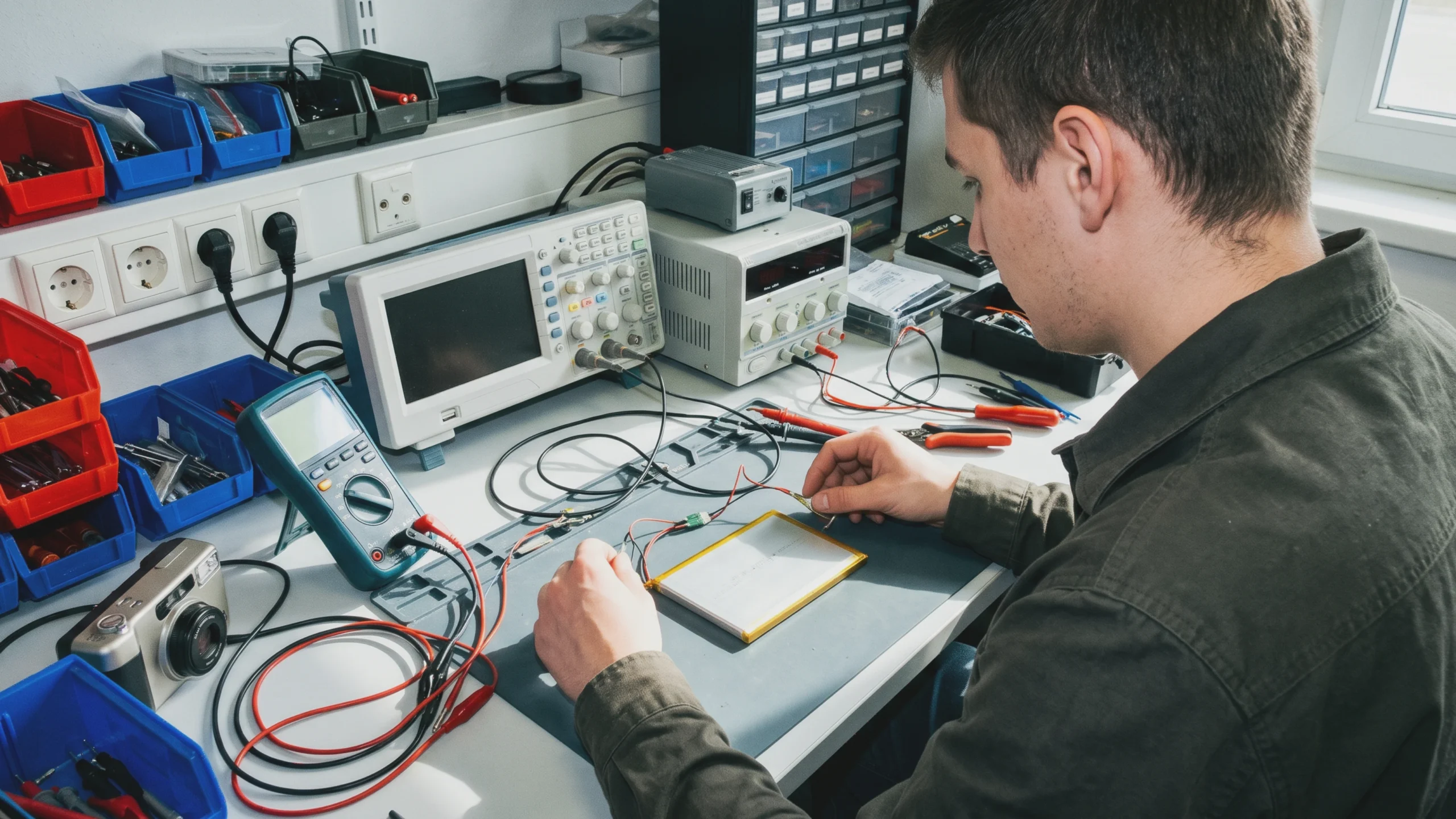
Exceptional battery durability: The battery must retain at least 80 percent of its initial capacity after 1000 complete charge and discharge cycles (which is significantly above the current market standard, which is between 500 and 800 cycles).
If a manufacturer chooses to produce a device with a battery that meets the standard of 80 percent capacity after 800 cycles, the replacement process must remain simple and accessible to users.
Design for the future and Reducing electronic waste

iksHaus | KI-generiert nach redaktioneller Konzeption, 2026
A return to the old models with click-on back covers is unlikely. Technology companies are likely to develop innovative closure methods for devices, using improved mechanical seals or screws instead of strong adhesives, which will allow for easy replacement without compromising water and dust resistance.
The strategic goal of this regulation is twofold: to drastically extend the lifespan of consumer electronics, reducing the need for frequent device replacements, and ultimately to significantly reduce the alarming amount of electronic waste on a global scale.