

Neurodiversity in Austria describes the natural diversity of human brains and cognitive processes. This approach distinguishes between this diversity within the entire population and neurodivergence, which refers to a person whose neurological development or functioning significantly deviates from societal expectations.
This perspective does not replace medical support. However, it challenges the assumption that any deviation from a dominant norm is automatically a personal deficit. It also highlights social barriers, the accessibility of environments, and the need for appropriate support.
Neurodiversity in Austria: Key terms

iksHaus | KI-generiert nach redaktioneller Konzeption, 2026
The term neurodiversity emerged within the disability rights movement and the autistic self-advocacy movement in the late 1980s and 1990s. Networks such as Autism Network International, online forums, mailing lists, and conferences organized by autistic individuals, such as Autreat, facilitated a discourse outside of traditional psychiatric interpretations.
The Australian sociologist Judy Singer coined the term academically in 1998. In the same year, the journalist Harvey Blume introduced it to the broader public in the magazine The Atlantic. Both drew a comparison to biological diversity and understood neurological differences as a natural characteristic of the human species.
The choice of terminology is crucial for understanding. Neurodiversity refers to the diversity within a population. “Neurodivergent” describes a person whose neurological development or functioning deviates from dominant norms. “Neurotypical” describes a person who largely conforms to these expectations. A group of people with different neurotypes can be considered neurodiverse, while a single individual cannot.
Three models shape the perspective
iksHaus | KI-generiert nach redaktioneller Konzeption, 2026
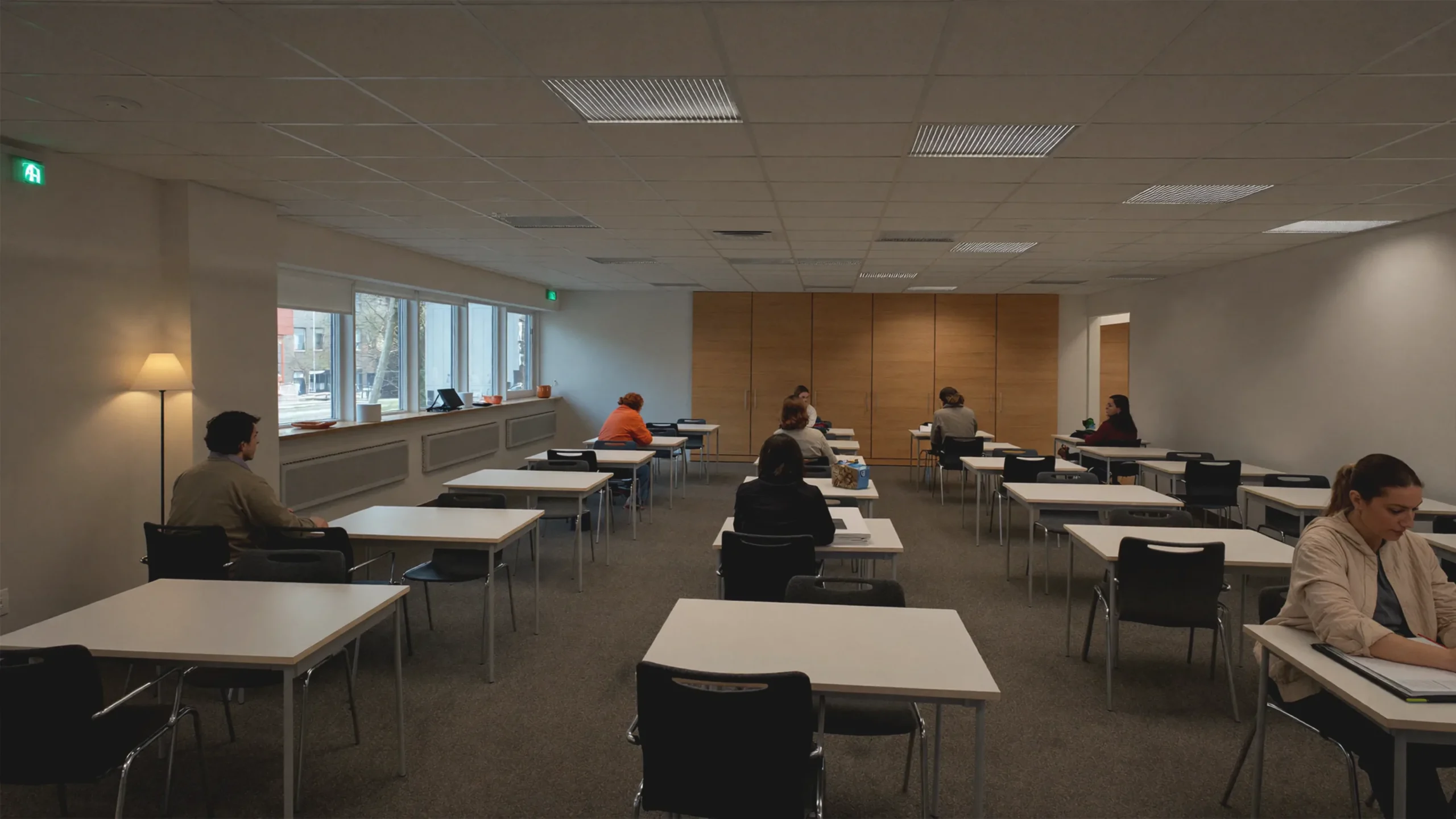
The medical model views atypical cognitive configurations primarily as individual pathologies or deficits. Interventions in this framework often aim at normalization, correction, or the reduction of visible traits. The original text points out that strong pressure to normalize can promote stigmatization and internalized ableism.
The social model of disability emerged in the 1970s within the British disability rights movement. It distinguishes between a physical or functional limitation and a disability caused by social, architectural, or institutional barriers. Therefore, not only an individual characteristic, but also an inaccessible environment, limits participation.
The neurodiversity paradigm combines biological and social perspectives. It does not deny functional limitations or the need for support. Rather, it opposes the blanket assumption that an atypical brain is inherently deficient. The focus is on providing appropriate support, adapting the environment, and removing systemic barriers.
Cognitive profiles without a simplistic deficit logic
iksHaus | KI-generiert nach redaktioneller Konzeption, 2026
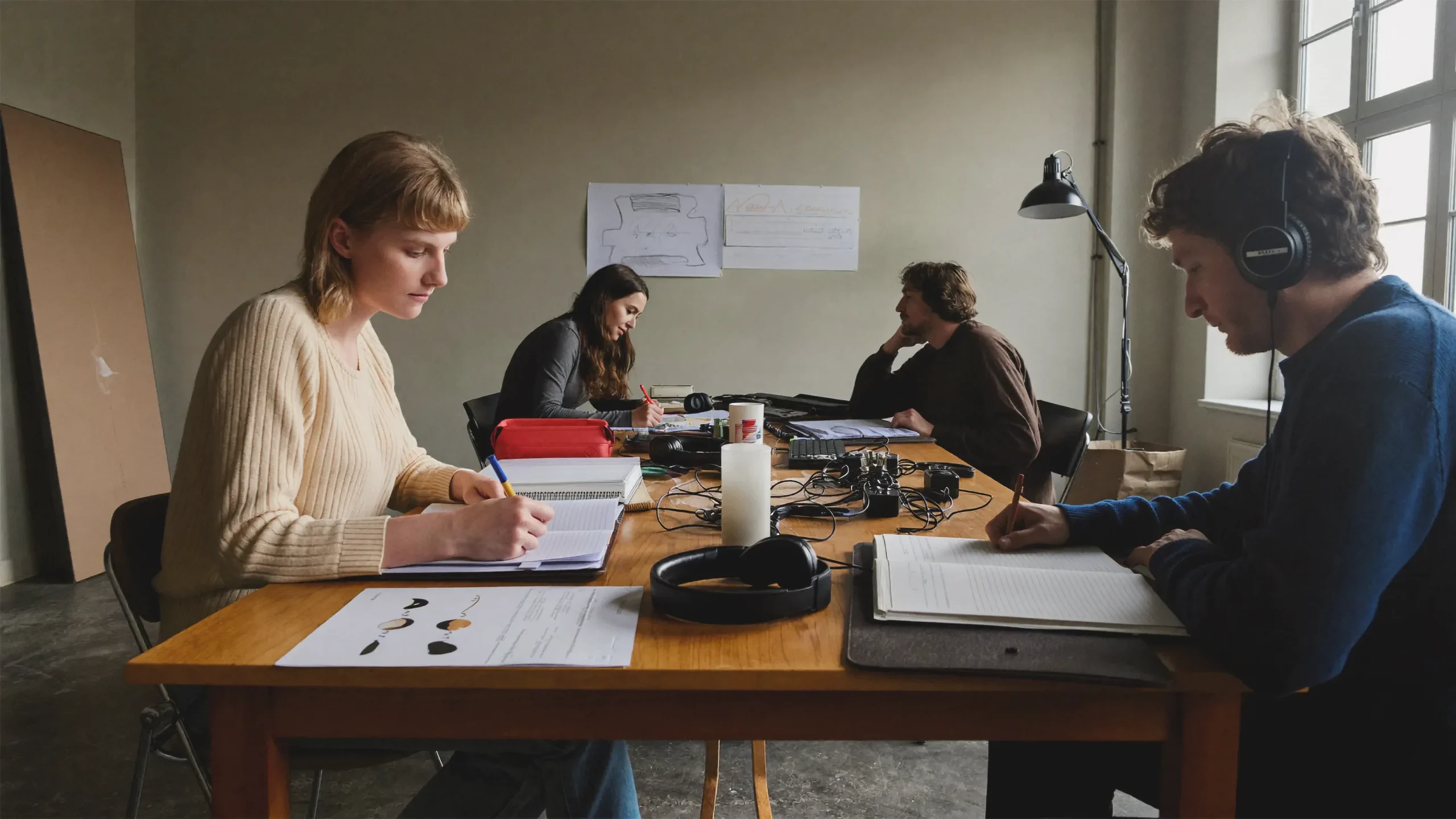
Neurodivergence encompasses various and often overlapping neurological or cognitive profiles. These include, but are not limited to, autism, ADHD, dyslexia, dysgraphia, dyscalculia, dyspraxia, Tourette’s syndrome, obsessive-compulsive disorder, and synesthesia.
The specific challenges also depend on the environment. In the case of autism, sensory stimuli, unspoken social rules, and pressure to conform can be stressful. ADHD is characterized by specific challenges in attention, executive functions, and self-regulation. Dyslexia primarily involves the processing of linguistic and visual information. Dyspraxia particularly affects motor planning and coordination, while dyscalculia affects the processing of numerical quantities and mathematical relationships.
This approach also focuses on potential strengths. These include pattern recognition, attention to detail, spatial reasoning, creative problem-solving, verbal expression, and cognitive flexibility. These characteristics are not universal traits of all individuals with a particular profile. The central idea is that cognitive resources can be distributed differently.
Masking and the theory of double empathy
Masking refers to the conscious or unconscious suppression of neurodivergent traits in order to avoid rejection or to meet societal expectations. This process can require significant emotional and cognitive resources. The original text mentions potential long-term consequences such as severe exhaustion, anxiety, depression, and a loss of a stable sense of identity.
The theory of double empathy, formulated by Damian Milton, does not view communication problems as a one-sided deficit of autistic individuals. Misunderstandings can arise when different cognitive styles, forms of sensory processing, and modes of expression collide. Communication is therefore considered a reciprocal process.
Experiences can also be shaped by gender, origin, socioeconomic conditions, and sexual orientation. The original text points to biases in diagnostic criteria, which have historically been heavily focused on white and male populations.
Accessible education and employment
For educational institutions and businesses in Austria, the neurodiversity approach can be used to derive a systemic mandate. Instead of solely requiring individual adjustments, spaces, processes, and communication can be designed from the outset to accommodate diverse needs.
In the education sector, the text mentions asynchronous learning, quiet zones, written instructions, and alternative forms of knowledge assessment. For the workplace, it suggests practical tasks in the application process, flexible working hours, the option to work from home, and equipment to reduce noise.
Clinical support can also focus more on executive functions, sensory regulation, and addressing ableism, rather than simply trying to eliminate atypical behaviors. It also recommends the involvement of neurodivergent professionals and self-advocacy groups, universal design principles, and further training in healthcare and education.