
The digital age, with its rapid technological advancements and global connectivity, has changed the way people – especially younger generations like Generation Z and Alpha – experience intimacy, risk, identity, and relationships. In certain groups, the interplay of mobile technology, synthetic drugs, and evolving sexuality has given rise to the phenomenon of “chemsex.” This involves the targeted use of psychoactive substances to initiate, prolong, or intensify sexual encounters. What was once a marginal phenomenon is now one of the biggest challenges for public health, sociology, and criminology. Research by international experts, including Francesco Avallone from McGill University, shows how a complex web of psychological, social, and technological factors drives and spreads this practice.
Previous analyses of chemsex often focused primarily on acute health risks such as overdoses, infections, and addiction. However, a more detailed, interdisciplinary perspective reveals that chemsex is often a symptom of underlying psychological problems, minority stress, and internalized homophobia – particularly among men who have sex with men (MSM). For many members of Generation Z, who are growing up in a seemingly open but also highly connected and performance-oriented society, chemsex is a way to cope with stress, insecurity, and loneliness. In extreme cases, it can also lead to serious crimes such as theft, sexual assault, or even homicide. This report examines the psychological background, the substances used, the influence of dating apps, changes in risk-taking behavior as a result of medical advances such as PrEP, and the criminological aspects of chemsex culture.
“iks.haus / Generated by MI using DALL-E 3”
The psychological architecture of risk: minority stress, internalized homophobia, and coping mechanisms
To understand why people – often well-educated and aware of the risks – repeatedly participate in prolonged drug and sex marathons, it is necessary to consider the psychological pressures and emotional strain that MSM are exposed to. Studies by Francesco Avallone, Kim Engler, Ford Hickson, and others show that chemsex is not simply about seeking pleasure or imitating club culture. Rather, it is a complex, but unhealthy, coping mechanism to escape social stigma, discrimination, and feelings of exclusion, which significantly impacts the mental health of this group.
A significant psychological factor contributing to participation in chemsex is internalized homophobia, also known as “homonegativity.” This means that individuals from sexual minorities internalize negative attitudes, prejudices, and stigmas from society throughout their lives and direct them towards themselves – often unconsciously. Although Generation Z and Alpha are growing up in an environment that emphasizes diversity and inclusion, they continue to experience discrimination, microaggressions, fear of rejection from family, and societal pressure. This form of stress, known as “minority stress,” leads to persistent inner tension and exhaustion.
In this particularly vulnerable environment, the drugs used in chemsex – primarily strong stimulants and sedatives – act as a quick means of numbing shame and fear. They reduce inhibitions, suppress the inner critic, and alleviate the fear of one’s own body or rejection. Many report feeling particularly desired during the high and that their fears temporarily disappear.
These insights are supported by studies. A study involving 284 Spanish-speaking participants who completed various psychological questionnaires showed that factors such as older age, unprotected sex with multiple partners, a positive HIV status, and a high level of homonegativity increased the likelihood of engaging in chemsex. Surprisingly, the personality trait of “conscientiousness” was also a strong factor. Although conscientiousness is usually associated with caution, it can, in this context, lead individuals to meticulously plan chemsex encounters, thereby gaining a sense of control over risky behavior. Studies from the United Kingdom also show that an early start to anal sexual activity increases the risk of later chemsex. This suggests that some individuals are primarily seeking emotional validation and intimacy through risky sexual behavior.
In addition to minority stress, the trauma resulting from the loss or separation from close relationships plays a significant role in the initiation of chemsex and its escalation. Studies by Francesco Avallone show that the end of a long-term relationship is the most important risk factor for suicidal thoughts and risky sexual behavior in men who have sex with men (MSM). In a community where belonging is often defined through romantic or sexual partnerships, the loss of a partner leaves a significant psychological void. Many then turn to alcohol and drugs to cope with the pain. This often leads to more frequent changes in sexual partners, less condom use, and more frequent chemsex. This data clearly shows that mental health must be at the center of any prevention efforts – without it, legal or behavior-oriented measures alone are not effective.
Pharmacological Roulette: The anatomy of a subculture and the deadly trap of “G.”
The actual mechanism of chemsex relies heavily on a precise, but extremely dangerous, cocktail of specific synthetic drugs that act synergistically and aggressively on the neurochemistry of the brain, triggering extreme euphoria, unprecedented physical endurance, hypersexuality, and deep emotional dissociation. These chemical compounds, often referred to as “4 chems” in the professional and field literature – methamphetamine, mephedrone, ketamine, and GHB/GBL – form the undisputed pharmacological backbone of this growing subculture. Each of these substances carries its own specific risk profile, but in combination, they create a pharmacological roulette with unpredictable consequences.
However, analyses of toxicological findings, clinical reports from emergency rooms, and testimonies from users clearly indicate that the substances that characterize the modern chemsex phenomenon are gamma-hydroxybutyrate (GHB) and its direct chemical precursor, gamma-butyrolactone (GBL). In slang, in the everyday communication of Generation Z, and on dating apps, this substance is known by numerous names, most commonly as “G,” “Gina,” “Fantasy,” “liquid ecstasy,” or “liquid X.” Understanding the pharmacodynamics of this substance is crucial to comprehending the brutal mortality associated with chemsex.
GHB / GBL (“G,” “Gina,” “Fantasy,” “liquid ecstasy”)
is an extremely potent depressant of the central nervous system. GBL is an industrially produced solvent, a more potent precursor that is metabolized and synthesized into GHB in vivo after ingestion. In the context of chemsex, extreme euphoria, a massive loss of social and sexual inhibitions, a dramatically increased libido, increased tactile sensitivity, and deep muscle relaxation are described as the primary desired effects. Critical risks include a “G-out,” which is a sudden, deep coma from which the affected person cannot be awakened, respiratory arrest, ataxia, vomiting while unconscious with a risk of aspiration, death, and a severe withdrawal syndrome. In combination with alcohol, this substance is extremely dangerous and potentially fatal.
Methamphetamine (“Tina,” “T,” “Crystal,” “Ice,” “Hard”)
is an extremely potent stimulant of the central nervous system. In chemsex, it is usually smoked from glass pipes, snorted, taken rectally (“booty bump”), or injected intravenously (“slamming”). The desired effects include artificial extreme alertness, hypersexuality, inexhaustible physical endurance, allowing for multi-day, uninterrupted sexual sessions without sleep or food, and a feeling of omnipotence. Critical risks include stimulant psychosis, severe paranoia, cardiovascular collapse, heart attack, neurotoxicity, the state of “overamping,” and an extremely high risk of transmission of blood-borne diseases such as HIV and hepatitis C through sharing needles during “slamming.”
Mephedrone (“Meth,” “M-CAT,” “Drone,” “Meow Meow”)
Is a synthetic cathinone, also known as a designer drug, with strong stimulating and entactogenic effects. In chemsex, the desired effects include intense and rapid euphoria, a deep sense of artificial empathy towards partners, increased libido, and enhanced communication. The risks include extreme anxiety when the effects wear off, dangerous tachycardia, bruxism (teeth grinding), rapid psychological dependence, and an incredibly strong, almost uncontrollable urge to take more immediately after the effects subside.
Ketamine (“K”, “Special K”)
Is a potent dissociative anesthetic with pronounced hallucinogenic properties. The desired effects include deep dissociation, a feeling of floating, a complete separation of the conscious mind from the physical body, and a reduced perception of pain during rough sexual activity. The critical risks include slipping into a “K-hole,” irreversible damage to the bladder due to crystallization, and severe physical injuries and accidents resulting from a complete inability to control movements.
The terrifying danger of “G” lies in its fundamental biochemical nature and its extremely narrow therapeutic window. In practice, this means that the difference between a recreational dose that produces the desired disinhibiting euphoric effect and a toxic dose that causes deep coma, fatal respiratory arrest, and death, is measured in milliliters – sometimes literally in drops. Therefore, users in chaotic chemsex environments must carefully measure this colorless liquid using precise medical syringes or plastic pipettes, and strictly adhere to the intervals between doses, usually at least one to two hours. The colloquial term “G-out” refers to a life-threatening condition in which a person suddenly loses consciousness due to a slight overdose or a miscalculation of the timing, experiences a complete collapse of motor function, and falls into a deep, unresponsive coma from which they cannot be awakened by any external stimuli from those present.
The fatal and tragic consequences of “G” increase exponentially when this substance is carelessly combined with other seemingly harmless depressants, such as alcohol, or with prescription medications like benzodiazepines, such as Xanax or Valium, or strong opioids like fentanyl. Even the smallest amount of alcohol in the blood, in combination with an average dose of GHB, can lead to severe nausea, uncontrollable vomiting, and potentially fatal choking on vomit, because the gag and cough reflexes are completely absent in an unconscious state. Due to its colorless, watery appearance and its mild taste, which can be easily masked in drinks, GHB can easily be mistaken for ordinary water. Therefore, numerous disturbing incidents have been documented within the chemsex community, where individuals have accidentally ingested a massive, lethal dose from an unlabeled plastic bottle that was standing on a table in the dim light of a club or a private party. For this reason, it is strongly recommended to clearly label containers and to avoid storing “G” in water bottles, especially since GBL can also damage certain types of plastic.
Furthermore, the illusion that “G” is merely a temporary enhancer of pleasure is shattered when one considers its addictive potential. A physiological and psychological dependence on “G” develops alarmingly quickly. Biological tolerance relentlessly forces consumers to take increasingly higher doses to achieve the original effect, and a sudden cessation of use triggers one of the most severe, complex, and life-threatening withdrawal syndromes in modern clinical medicine in regular users. The abrupt discontinuation leads to severe, debilitating anxiety, severe insomnia, and muscle tremors; in severe cases, within a few hours, a full-blown delirium develops with severe auditory and visual hallucinations, severe paranoia, seizure-like episodes, and even fatal organ failure. Medical professionals strongly warn that individuals who have been continuously using “G” for longer than a week should not attempt to stop using it on their own through the “cold turkey” method, but require immediate, supervised, and gradual medical detoxification under inpatient conditions.
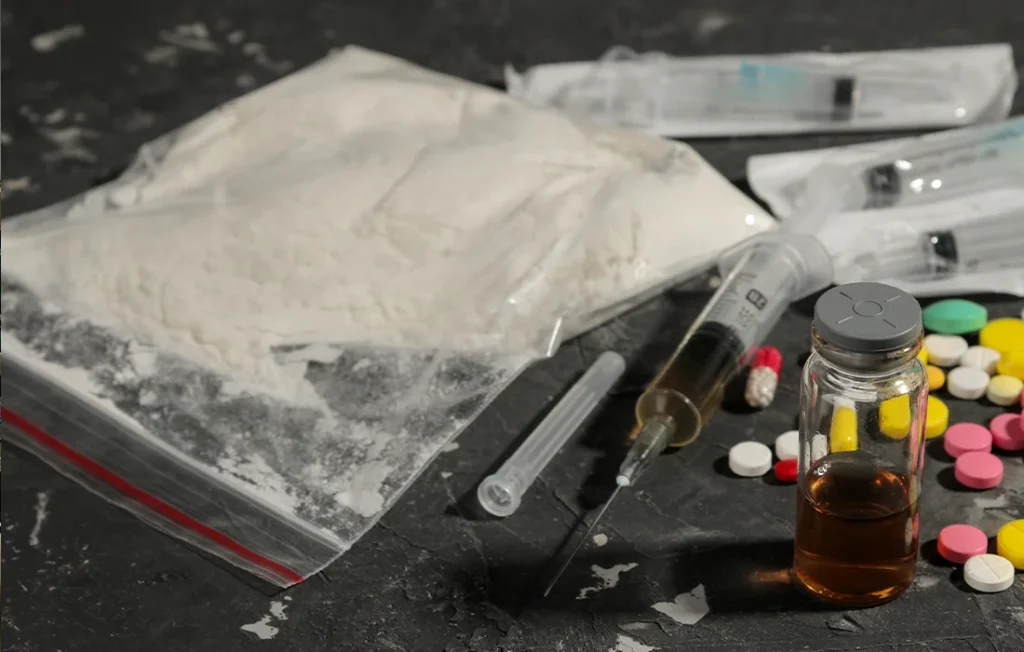
iksHaus | KI-generiert nach redaktioneller Konzeption, 2026
“iks.haus / Generated by MI using DALL-E 3.”
Geosocial algorithms and the architecture of digital risk
For Generation Z and the subsequent Generation Alpha, technology is no longer merely an external tool that is occasionally used; it is an inseparable extension of their physical, cognitive, and social being. In this context, dating apps, particularly geosocial networking applications (GSNs) based on precise geolocation – such as Grindr, Scruff, and similar platforms – have fundamentally and irreversibly changed the urban landscape of sexuality and have played an absolutely central role in the exponential spread, facilitation, and social normalization of chemsex.
Before the widespread use of smartphones and the internet, finding partners for highly specific, socially marginalized, and legally sanctioned sexual practices, as well as for drug use, required enormous effort, knowledge of subcultural codes, and visits to specific, often risky physical locations – such as cruising areas in parks, specialized nightclubs, or gay saunas. Today, GSN (Gay Sexual Networking) apps have completely taken over and monopolized the role of ultimate digital dispatch centers for organizing such encounters. Their architecture, based on the constant updating of GPS location, allows users to filter potential partners within a radius of just a few dozen meters, offering enormous speed and precision, and only apparent anonymity.
Ethnographic and epidemiological studies from across Europe, including in-depth studies from Spain and Italy, clearly show that these platforms directly promote and accelerate the “normalization” of heavy drug use. Sophisticated algorithms and minimalist user interfaces create a unique environment of “extremely high availability,” where visual and textual codes clearly signal the intention. Within this digital ecosystem, a rich visual lexicon has developed: users incorporate specific emojis into their usernames or profile descriptions – for example, the diamond as a symbol for Crystal Meth, the syringe symbol for intravenous injection, or “slamming,” snowflakes, leaves, or simply isolated capital letters like “T” for Tina/Meth or “G” for GHB. These encrypted symbols, which are generally known within the community, allow users to circumvent the censorship of the app algorithms while simultaneously navigating quickly to so-called “PnP” (Party and Play) encounters or “H” encounters (High and Horny) with complete strangers.&These encrypted symbols, which are generally known within the community, allow users to circumvent the censorship of the app algorithms while simultaneously navigating quickly to so-called “PnP” (Party and Play) encounters or “H” encounters (High and Horny) with complete strangers.
The feeling of virtual freedom, invisibility, and anonymity that these platforms offer encourages users – especially younger, more insecure, and less experienced members of the men-who-sex-with-men (MSM) population – to express preferences and fantasies regarding behaviors that are strongly condemned and rejected by a traditionally normative society. Anthropologists, behavioral scientists, and sociologists observe a fascinating phenomenon of “reverse causality”: the dynamics do not flow exclusively in one direction, where the apps themselves passively generate new chemsex users. Rather, individuals with pre-existing tendencies towards risky behaviors actively, massively, and deliberately migrate to these GSN (gay sexual networking) platforms, precisely because they offer them a seamless, lightning-fast, and discreet logistics for finding like-minded individuals, obtaining drugs, and securing a location – a phenomenon known in slang as the “host/travel” dynamic, where it is agreed in advance who is hosting the party and who is traveling and bringing substances.
GSN apps enable shockingly detailed, almost transactional arrangements even hours before the physical meeting: through chats, users exchange precise information about the type and quantity of substances available, their own HIV status, the limits of consent, and the expected number of participants in orgiastic settings. This digital pre-communication creates a false illusion of complete control and safety in a situation that is, by its very nature, objectively chaotic, unpredictable, and extremely life-threatening.
Paradoxically and ironically, these apps, while demonstrably facilitating rapid access to high-risk situations – statistics relentlessly show that users of these applications, on average, have significantly more casual sexual partners and engage in anal sex without condoms much more frequently than MSM who do not use these apps – also represent the most direct, powerful, and effective channel for disseminating vital information about harm reduction and HIV prevention. Young users and digital natives generally exhibit a significantly more positive attitude towards prophylactic medical therapies, largely thanks to innovative educational campaigns, pop-up warnings, and integrated health tips that are intelligently placed within the very apps they use for finding partners.
The PrEP Paradox: A Biomedical Shield, Risk Compensation, and Adherence in Chaos
One of the most significant revolutionary medical interventions of the 21st century in the global context of preventing the spread of the human immunodeficiency virus is the introduction of pre-exposure prophylaxis (PrEP) – a method that involves the daily prophylactic intake of potent antiretroviral medications, usually a combination of tenofovir and emtricitabine. When used correctly and with high adherence, PrEP eliminates the biological risk of HIV transmission through sexual contact almost completely, with an effectiveness of over 99 percent. However, the introduction of PrEP into the deeply ingrained, chaotic subculture of chemsex has created an unforeseen, extremely complex sociological and behavioral paradox that is reshaping the modern understanding of risk.
For members of Generation Z and younger Millennials who engage in chemsex, the introduction of PrEP represented a tectonic shift in the cognitive perception of risk. In-depth qualitative studies, particularly those with younger MSM users who actively consume substances, show that PrEP brings about a tremendous, almost indescribable psychological relief. As many as 93 percent of the users surveyed reported a dramatic and immediate reduction in the paralyzing fear and the deeply ingrained fear of death that had been inextricably linked to sexual relationships within the gay community for decades. PrEP has psychologically empowered users, giving them a sense of control over their own bodies, radically reducing the social stigma associated with HIV-positive individuals, and finally enabling deeper, more relaxed intimacy without the shadow of a deadly disease.
However, this abrupt and complete disappearance of the existential fear of HIV directly led to a widespread phenomenon that behavioral scientists and epidemiologists describe as “risk compensation” – a psychological phenomenon in which people take on significantly greater risks when they feel protected from a particular threat. As many as 73 percent of respondents in relevant clinical studies reported a noticeable reduction in condom use immediately after starting prophylactic PrEP, while a worrying 20 percent completely and permanently abandoned all forms of mechanical protection during anal intercourse. Many young men experience what is known as the “honeymoon period” – the “PrEP honeymoon” – or, in more crude slang, a “bareback bonanza”: a phase of euphoric, frequent, and multiple completely unprotected sexual encounters with a large number of unknown partners. This phase of carelessness and a feeling of invulnerability is usually interrupted by the painful reality: by another serious, sexually transmitted bacterial infection such as chlamydia, gonorrhea, resistant syphilis, or a cytomegalovirus infection, or by an infection with hepatitis A, hepatitis B, or hepatitis C viruses. Individuals who are not vaccinated against hepatitis A and hepatitis B – especially those born in the European Union in the second half of the 1990s – are at increased risk of acquiring an infection that can severely affect the liver. While hepatitis A usually causes an acute liver inflammation with pronounced symptoms such as fatigue, nausea, and jaundice, hepatitis B can become chronic and can lead to liver cirrhosis and liver cancer in the long term. Hepatitis C is particularly concerning, as there is no vaccine available, and it can be easily transmitted through sexual contact; in a large proportion of cases, it progresses to a chronic liver disease, often initially without significant symptoms, but with serious consequences over the years.
The treatment of Hepatitis C is significantly more effective today than it was in the past, but it can still put a strain on the body. In earlier generations of therapies, such as interferon treatments, pronounced side effects were documented, including fatigue, depressive symptoms, and general psychophysical exhaustion. Although modern antiviral medications are better tolerated, the chronic nature of the disease and the lengthy treatment can continue to significantly impair the quality of life and mental health of those affected. Therefore, vaccinations against Hepatitis A and B, as well as timely tests and treatments, remain central measures for protecting liver health, while for Hepatitis C, protective measures remain the only effective means of preventing potential infection. In addition, recent research on the human papillomavirus (HPV), which was previously thought to cause only cervical cancer, has shown that it can also trigger bladder and throat cancer in men and is sexually transmitted.
All of this points directly to a serious global public health problem: the rapid increase in antibiotic resistance, as well as exposure to and infection with viral diseases in the modern era of PrEP and chemsex.
Furthermore, PrEP has created a completely new and fascinating pattern of sexual decision-making and partner selection within the community, known as “PrEP-sorting” – a form of biomedical filtering. Instead of traditional negotiations about condom use, users are now actively and exclusively selecting other men as partners who demonstrably also take PrEP, or HIV-positive individuals with a clinically undetectable viral load, meaning people who are undergoing successful and regular antiretroviral therapy and cannot transmit the virus. This “biomedical matching” creates an extremely strong sense of an exclusive biological community and invincibility, and acts like an unstoppable domino effect: once users realize that their regular sexual partners consistently take PrEP, they soon completely abandon condom use in that relationship, and this feeling of false security gradually extends to casual encounters with complete strangers at chemsex parties.
The most dangerous and complex problem arises when the strict clinical requirements of PrEP are directly confronted with the chaotic, unpredictable, and destructive reality of chemsex. Unlike condoms, whose use is logically and directly linked to the physical act of intercourse, PrEP requires strict daily discipline, cognitive presence, and high adherence. During notorious multi-day methamphetamine and GBL binges – so-called drug-fueled sex binges – users completely lose any sense of the passage of time. Their circadian rhythms break down, the concepts of day and night lose all meaning, and preventative alarms and calendar entries on smartphones are regularly ignored or deactivated. Deep intoxication from large amounts of alcohol and the hallucinogenic effects of methamphetamine severely and permanently impair the function of the frontal cortex and the ability to make rational health decisions. It is precisely in those critical moments when the pharmacological shield is most needed – during multiple, marathon-like unprotected encounters with dozens of different partners under the influence of drugs in obscure locations far from home – that users most often miss PrEP doses, forget to take the pill bottle with them, thereby creating extremely dangerous immunological gaps in prevention. Although numerous clinical studies show that PrEP is effective even in chemsex users, provided it is actually taken, the psychological illusion of absolute safety – the so-called safety net – paradoxically encourages these same individuals to engage in radically high-risk extreme situations that any sober and conscious person would avoid.
iksHaus | KI-generiert nach redaktioneller Konzeption, 2026
“iks.haus / Generated by MI using DALL-E 3.”
The dark side of chemsex: crime, non-consensual violence, and a bloody Italian chronicle
When fragile human boundaries, moral inhibitions, and cognitive filters are irreversibly erased by the massive and continuous consumption of a cocktail of methamphetamine, mephedrone, and lethal “G,” the chemsex environment almost inevitably becomes a highly fertile and dangerous breeding ground for the escalation of extreme, unimaginable crimes. Research, in-depth analyses, and articles by Francesco Avallone, published in influential Italian publications such as Rolling Stone Italia, Il Post, and numerous scientific bulletins, uncompromisingly delve into this disturbing dark connection between seemingly hedonistic chemsex and raw criminality. The other side of this phenomenon, which mainstream media rarely discuss without sensationalism, is not only addiction and persistent infections; it is an underworld riddled with organized identity and asset theft, horrific sexual violence, and—in extreme cases—brutal, cold-blooded killings.
One of the most complex, dangerous legal, and deeply ethical issues surrounding the phenomenon of chemsex is the question of the ability to give and understand consent. In states of deep, induced intoxication—particularly after imprecise dosing of liquid GHB/GBL, which quickly leads to confused semiconsciousness, complete paralysis, or complete and irreversible loss of short-term memory, a phenomenon known in neurology as “blackouts” or anterograde amnesia—it is literally impossible to give, negotiate, or withdraw valid consent for sexual acts. Scientific studies focused on assessing the long-term mental health of chemsex users show alarmingly high rates of non-consensual sexual acts, which are legally classified solely as rapes, within closed party settings.
Dozens of testimonies describe horrific moments of realization: Many participants wake up after multi-day parties with severe, unexplained physical injuries, bleeding, and completely stripped of their belongings – without wallets, apartment keys, and expensive smartphones – as well as with complete amnesia for the past 48 hours. As a result of such systematic abuse, severe post-traumatic stress disorder (PTSD), chronic severe depression, extreme somatization, and severe psychotic symptoms are dramatically more frequent, pronounced, and resistant to treatment in this specific subcultural group compared to men who have sex with men but do not engage in chemsex. Clinically, it has also been proven that the extreme practice of intravenous drug use, known as “slamming,” is strongly correlated with the most drastic manifestations of mental disorders, as well as with the highest documented rates of completed suicides within the community.
However, nothing illustrates the criminogenic, destructive potential of chemsex-induced psychosis more clearly, cruelly, and tangibly than that appalling case that shook Italy to its core in March 2016, paralyzed Rome, and left a deep, indelible mark on the national consciousness, the public discourse, and the justice system – the unimaginably brutal murder of 23-year-old Luca Varani.
The two perpetrators, Manuel Foffo and Marco Prato, young men from affluent families, organized a multi-day “chemsex” party in a Rome apartment, during which they continuously consumed enormous quantities of toxic alcohol, cocaine, and other substances. Driven by sadistic, inexplicable impulses, which were triggered by prolonged intoxication, sleep deprivation, and a complete loss of connection to moral norms and empathy, they invited Varani to the apartment with the clear, pre-determined intention of inflicting maximum pain on an innocent person. Foffo and Prato ultimately tortured, humiliated, and killed the young Varani during a two-hour ordeal characterized by extreme physical injuries. Prominent criminologists, forensic experts, and court reporters who analyzed this agonizing case for years – including Luca Marrone – described this unprecedented crime as a manifestation of “absolute evil”: a murder without financial, logical, vengeful, or rational motive. The act was solely driven by a pathological desire to inflict extreme physical pain, made possible by the complete collapse of human empathy as a result of severe, multi-day drug abuse in a highly sexualized and deviant context.
This appalling case, which concluded with a confirmed conviction of Manuel Foffo for the maximum sentence of 30 years in prison after a lengthy legal process, as well as the shocking suicide of Marco Prato in a cell at the Velletri prison shortly before the start of the main trial, sparked agonizing and polarizing public debates in Italy about mental health, drugs, and the justice system. Manuel Foffo’s legal team attempted to mitigate the sentence and avoid imprisonment by arguing in court that his severe drug addiction had completely “nullified” his will in the context of the crime, and that he was, in reality, a severely mentally ill individual who urgently needed institutionalized medical care in a specialized facility, a psychiatric hospital (REMS), rather than traditional imprisonment, which could not address his condition. The phenomenon of the so-called “date rape drug” – GHB, which is colloquially and often sensationalized and imprecise classified in mainstream media – became a central topic of numerous talk shows. Toxicological experts repeatedly warned the public that GHB effectively erases memories, facilitates social interactions in perverse, chemically-mediated ways, and completely and helplessly exposes victims to the whims of aggressors, leaving them with no possibility of physical resistance.
The Italian National Institute of Statistics (ISTAT), as well as recent official reports from the Ministry, clearly highlight a significant increase in “violence within relationship contexts” and in certain types of violent crimes during the years 2024 and 2025. This data reveals a fascinating criminological paradox: while classic violent crimes associated with traditional Mafia activities in Italy have historically declined significantly – Cosa Nostra and ‘Ndrangheta have increasingly turned to sophisticated financial crimes, white-collar offenses, and massive fraud schemes involving billions in EU funds to avoid street violence – brutal killings in violent, specific social contexts show a clearly worrying upward trend. These crimes are regularly characterized by impaired mental health of the perpetrators, severe substance abuse, sadism, and amateurish attempts at concealing the bodies afterward. Closed chemsex environments, inherently free from legal, police, and social regulation due to their hidden nature, become ideal breeding grounds for such deviant acts. In these isolated apartments, those involved fear reporting serious thefts, brutal assaults, or multiple rapes to the police – out of fear of public condemnation, homophobia, a media-driven “lynch mob” effect, the so-called “victim blaming,” and, of course, the potential for criminal charges related to the possession of large quantities of illegal drugs.
Digital-native strategies for damage mitigation: The future of interventions for a new generation
While Generation Z has grown up with smartphones in hand, and the next generation, Alpha, is confronted with these deeply ingrained and rapidly evolving behavioral challenges, it is clear that traditional, outdated medical approaches based on moral condemnation, intimidation, and strict, unconditional abstinence are proving to be completely ineffective and often even counterproductive. Experts in global public health, street workers, and progressive medical professionals are therefore increasingly and more vocally embracing the pragmatic concept of “harm reduction.” They clearly recognize that forced abstinence is simply not always realistic under chaotic social conditions, and for many traumatized users, it is often not even the primary therapeutic goal. The goal of modern medicine in this specific context is no longer simply moralizing; it is the survival of patients and the active reduction of the catastrophic health and social consequences of substance use.
The type and chemical profile of the substances widely used in Europe are changing rapidly and radically. Recent reports indicate that younger users and those new to the world of chemsex are increasingly and quickly turning to a completely new generation of synthetic drugs. There is a demand for substances with a significantly shorter half-life in the body, such as certain synthetic cathinones, while at the same time, an unexpected strong return of classic hallucinogens from the past century, such as LSD, is being observed in the scene, which are now being used in new combinations. These rapid chemical shifts in the black market require immediate and permanent adaptation by healthcare professionals, sociologists, educators, who can no longer work with outdated, rigid manuals from the early stages of the crystal meth epidemic.
To successfully bridge the tragic gap between the extremely low rate of proactive utilization of professional psychiatric help on the one hand, and the desperate, life-saving need for immediate intervention on the other, innovative solutions are now being sought in the very digital sphere that originally facilitated, popularized, and accelerated this phenomenon. An excellent and highly encouraging example of such a modern technological approach is the revolutionary prototype of the mobile app UPrEPU, which was developed in Taiwan in early 2024 and is primarily intended to serve the MSM (men who have sex with men) population that actively engages in chemsex. This app represents a significant leap forward in its approach because it never instructs, threatens, or condemns the moral choices of its users; instead, it offers discreet, highly practical, and user-friendly digital tools that are specifically and intelligently tailored to the chaotic party mentality and altered states of consciousness.
The UPrEPU app, developed collaboratively with community members using an inclusive approach, offers highly flexible reminders for PrEP dosage. Its algorithms intelligently adapt to the often irregular and intense rhythms of chemsex weekends. It also provides sophisticated tools for setting small, achievable micro-goals – such as simply reducing the frequency of drug use in a month, or taking a temporary break of just a few days to allow the body to recover – as well as continuous monitoring of basic physiological needs, such as hydration levels. In a highly charged and toxic environment where consuming large amounts of drugs in a dehydrated state is extremely dangerous, these seemingly trivial digital reminders can literally save lives. The app also includes an advanced system in its code for sending SOS alerts in case of suspected overdose, updated local directories for HIV testing and the free exchange of sterile needles, and extensive, easy-to-read modules designed to debunk myths and demystify urban legends about drugs within the community. Early clinical evaluations and usability tests showed that users aged 23 to 46 overwhelmingly prefer these digital self-support strategies, primarily due to the chronic lack of adequate and honest social support, and the paralyzing fear of judgment from the traditional healthcare system.
In addition to digital mobile innovations, key outreach strategies for harm reduction, advocated by activists, strongly emphasize the unavoidable need for education and awareness. The foundation of safe practices lies in establishing clear and non-negotiable group rules regarding consent, long before the onset of intoxication. This means achieving absolute consensus on boundaries while all participants are still completely sober and rational. Particular emphasis is placed on the deadly danger and the avoidance of solitary consumption of “G” in private residences. The golden rule requires the constant presence of at least one sober person, a so-called “sitter,” who can immediately recognize symptoms and call for emergency medical assistance in the event of a life-threatening respiratory arrest. Furthermore, strict and unconditional avoidance of the fatal combination of poppers (alkyl nitrites) with common medications for erectile dysfunction, such as Viagra or Cialis, is crucial, as this deadly chemical mixture can trigger an irreversible and fatal drop in blood pressure and a heart attack within minutes.
Conclusion: From pathologization and criminalization to compassion and integrated care
When all the aforementioned psychological, pharmacological, technological, and criminological variables are combined into a comprehensive whole, it becomes clear that the phenomenon of chemsex is one of the most complex, multifaceted, and challenging biomedical and socio-cultural phenomena of the modern, hyper-connected age. It is far more than a superficial, media-distorted, sensationalized story of mere drug addiction; it is, in truth, an authentic, raw reflection of deep-seated, unresolved intergenerational traumas, silent loneliness, and painful social alienation with which minorities are constantly confronted in a cold world of constant digital surveillance and performative displays of happiness. Research by pioneers such as Francesco Avallone, supported by solid evidence from other prominent European and international experts, unequivocally shows that the sudden, steep increase in the consumption of substances such as GHB, methamphetamine, and mephedrone is directly symptomatic of pent-up toxic minority stress, chronic internalized homophobia, and the enormous existential void that young people are trying to fill with synthetic pleasure.
Und undeniably, technology plays a role: Geolocation-based apps, driven by profit motives and attention algorithms, have clearly acted as the cold architects of this expansion, transforming a marginal and difficult-to-access practice into a perfectly optimized, universally available logistical network that delivers risk directly to the bedroom. Paradoxically, these very same apps today also offer the only fast and uncensored channel to reach the most vulnerable segments of society. Medical breakthroughs like PrEP have saved millions of lives, eradicated the death sentence of HIV, and freed generations from fear. However, they also brutally remind us of a fundamental principle of behavioral science: the solution to a health crisis can unexpectedly create space for completely new and different forms of risky behavior when purely biomedical interventions are implemented in a behavioral and psychological vacuum, without adequate education and mental support. The tragic Italian criminal cases – from silent, invisible thefts to horrific, non-consensual assaults, to cruel, motiveless killings at chemsex parties like that of the innocent Luca Varani – serve as a dark and indelible reminder of what inevitably happens when a fragile human psyche, lacking social support and literally poisoned with heavy industrial chemicals, implodes into complete regression and aggression.
Ultimately, the systemic response of modern society, of policymakers, public health professionals, and legislators, must under no circumstances be based on mere moralism, archaic and draconian punishment, or convenient indifference. For Generation Z, Generation Alpha, and all future generations, the real long-term solution lies in the complete and unconditional destigmatization of seeking psychological help within the MSM community, in the early integration of mental health into inclusive sex education programs, and in the tireless development of innovative, digitally-mediated tools for harm reduction that respect the intelligence and autonomy of users while actively minimizing mortality. Confronting the devastating consequences of chemsex requires a courageous transition from the exclusive realm of repressive criminal justice to the realm of deep human empathy, a precise understanding of the relentless algorithmic reality, and above all, an engagement with that hidden, deeply ingrained sense of shame that drives this destructive pharmacological roulette. Failing to address the psychologically and emotionally devastating causes of chemsex means silently and knowingly accepting the loss of thousands more young lives, hidden traumas, and tragedies that could and should have been prevented through timely and appropriate intervention.