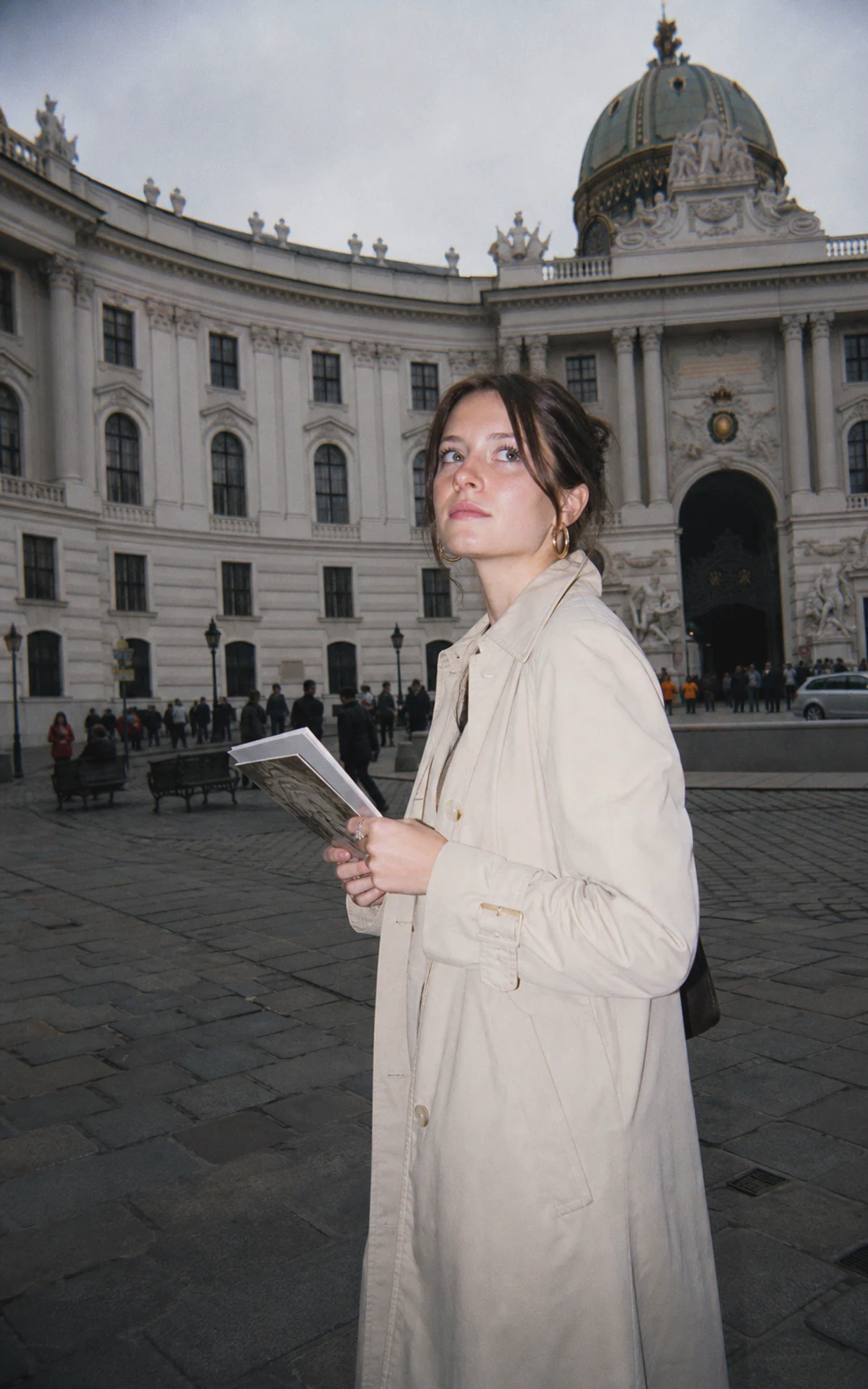
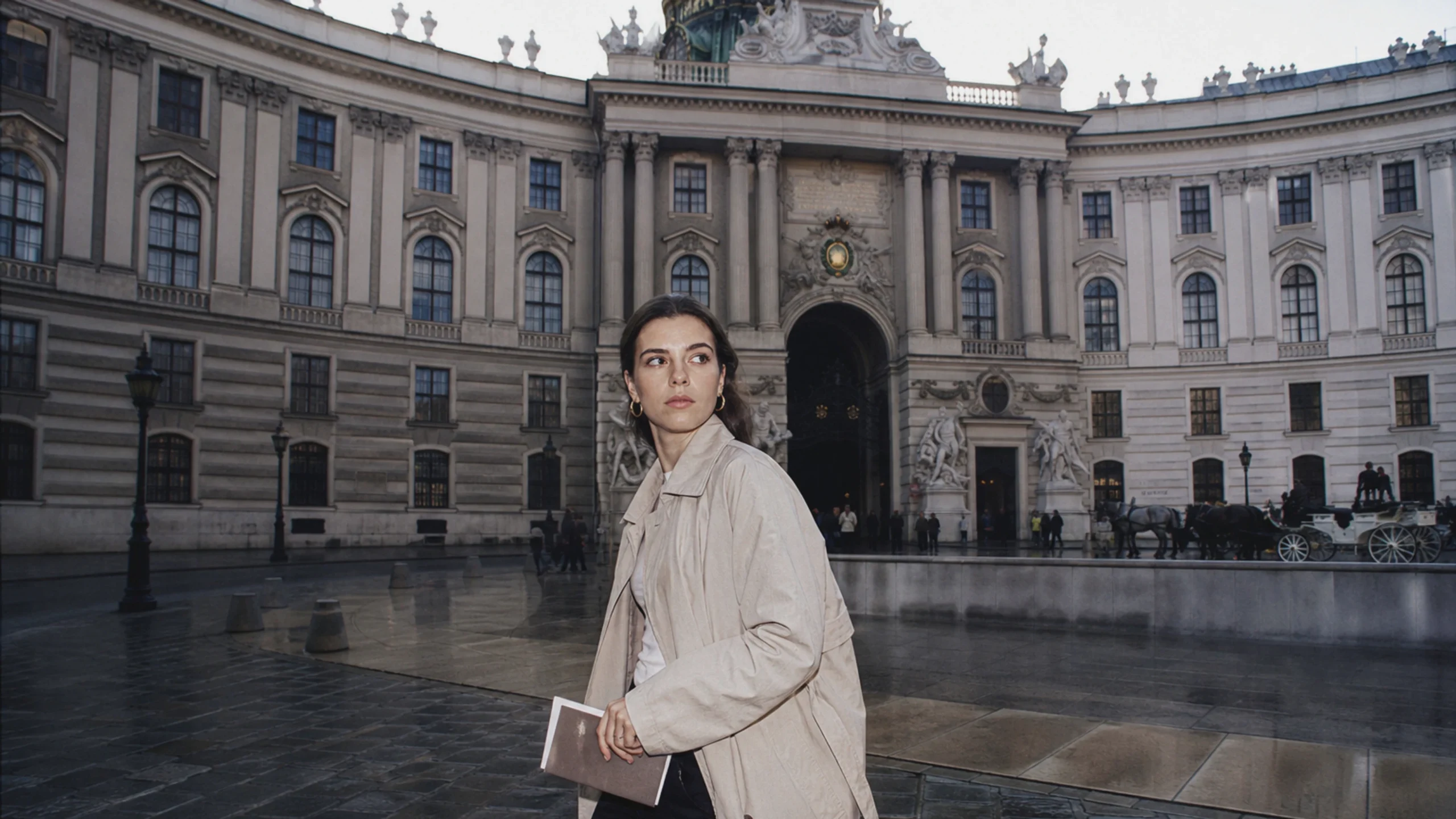
The Sisi Museum Vienna will open a redesigned tour of three areas of the Hofburg Palace on November 19, 2026, which will be expanded and made accessible. Few historical figures of Austria are as well-known and, at the same time, as heavily influenced by later images as Empress Elisabeth. Known as Sisi, she became a film character, a souvenir figure, and a projection screen for longing for freedom and timeless beauty. Her life was full of contradictions. It was marked by privileges, official travels, personal retreats, physical discipline, and loss.
Starting November 19, 2026, the Sisi Museum Vienna is intended to offer more space for these contradictions. The museum, the imperial apartments, and the silver chamber are to be more closely connected, both spatially and in terms of content. According to the plans, the exhibition space will increase by approximately 700 square meters. Twelve additional rooms will be made accessible. A new staircase in the Marschallhof and a modified route are part of the announced barrier-free tour.
Sisi Museum Vienna connects three areas
iksHaus | KI-generiert nach redaktioneller Konzeption, 2026
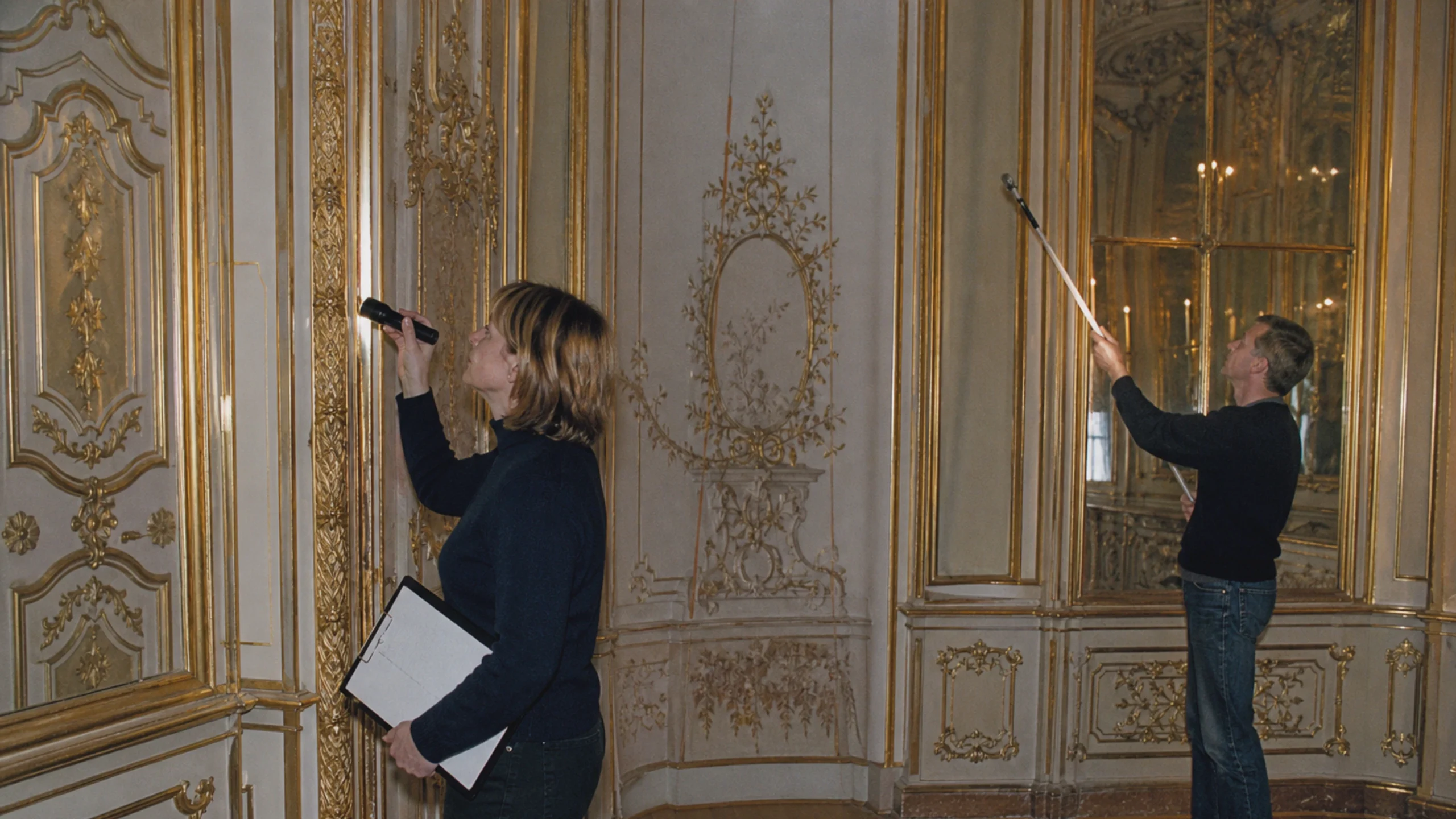
Previously, the Sisi Museum, the imperial apartments, and the silver chamber could be visited in the same complex. However, the areas appeared more separate, both spatially and in terms of narrative. The redesign is intended to create a cohesive tour. This is relevant for a historical museum because the order of the rooms also determines how a story is perceived.
Personal objects and biographical milestones initially present Elisabeth as an individual. The living and representative rooms then reveal the courtly structure that surrounded her life. The silverware collection complements a material world of porcelain, silver, crystal, and centerpieces. This allows for a clearer understanding of the relationship between the individual, family, court, and political order.
The expansion includes twelve rooms along Schauflergasse, as well as areas that were not previously part of the regular tour. These include additional rooms in white gold belonging to the imperial family. Their bright design and gilded furnishings were part of the representative and private court world that shaped the public image of the dynasty.
According to the Schönbrunn Group, they invested approximately 14 million euros from their own revenues by May 2026. The final total costs were not yet determined at that time. According to an official statement, the restoration of the rooms was completed. This was followed by the installation and placement of the exhibits.
Between the Sisi Myth and Historical Biography
iksHaus | KI-generiert nach redaktioneller Konzeption, 2026
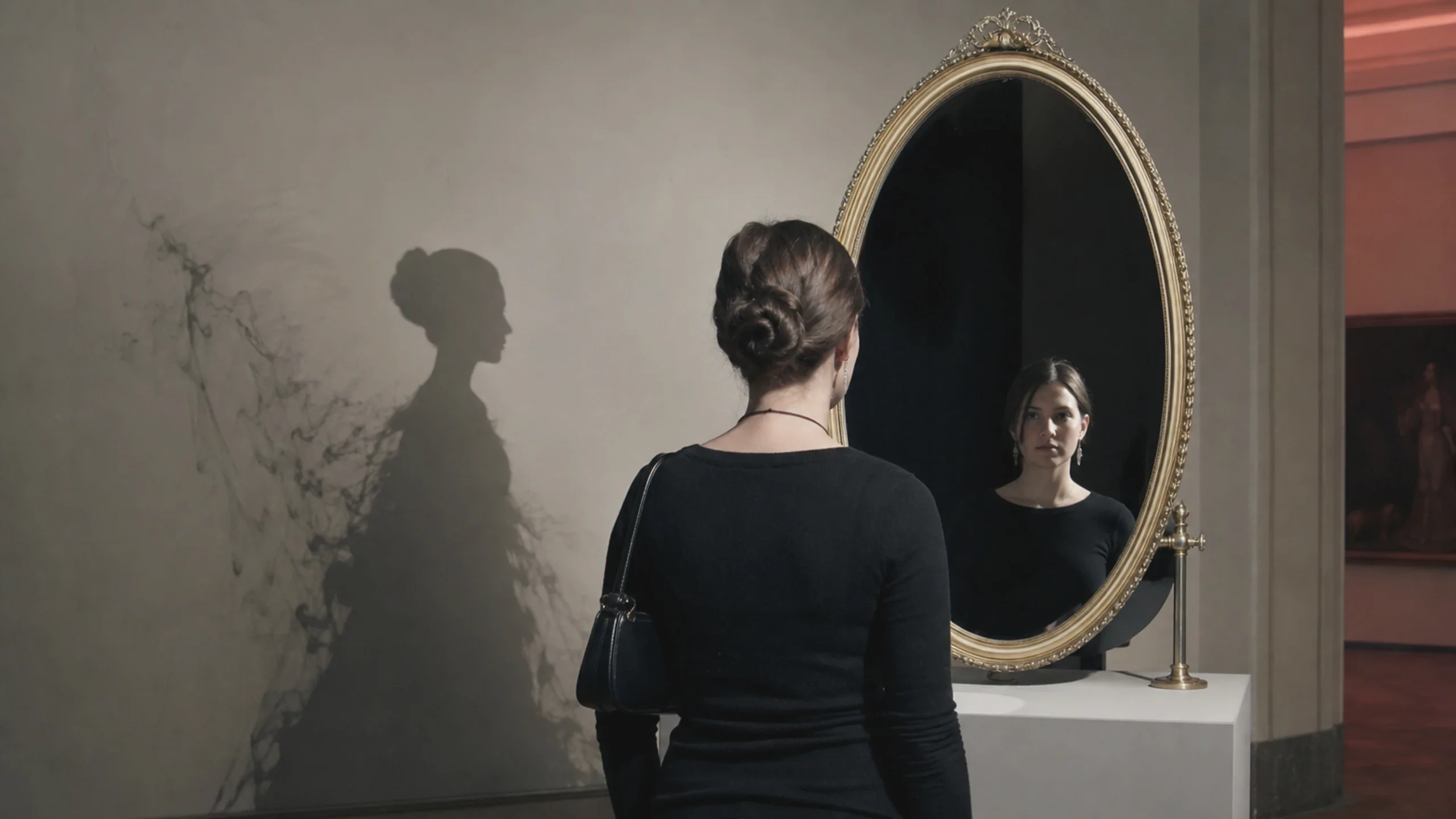
More rooms do not guarantee a more nuanced story. What is crucial is how they are used. The expanded museum faces the challenge of neither romanticizing Elisabeth nor defining her solely through her suffering. She was an exceptionally privileged woman. At the same time, her scope for action was limited by her gender, the dynasty, and court protocol.
Many people know Sisi from films, series, and popular culture. The films of the 1950s starring Romy Schneider created an emotional and highly simplified image of the monarchy. Later productions focused more on rebellion, body politics, and psychological stress. None of these portrayals are neutral. Each generation associates Elisabeth with its own questions and expectations.
Even the name “Sisi” is part of this construct. This spelling is established in Austria, although historical sources contain different variations. What began as a familial address has become a globally recognized brand. Historical interpretation can explain how this process occurred and which aspects of the real biography were relegated to the background.
Elisabeth’s beauty routine, her long hair, her training, and her diet are among the most well-known aspects of her biography. Without context, such practices can appear to promote problematic body norms, either as spectacular or admirable. Her appearance was private, political, and simultaneously public. The control of one’s own body can be interpreted as an attempt at self-determination, but also as an expression of pressure and withdrawal.
Modern clinical certainty cannot be derived from historical sources. The museum does not replace psychological or medical diagnoses. Responsible presentation makes different interpretations transparent and highlights contradictions, rather than reducing Elisabeth to a perfect icon or a tragedy diagnosed after the fact.
Silver Chamber, Court Life, and Accessibility
iksHaus | KI-generiert nach redaktioneller Konzeption, 2026
The Imperial Apartments were not ordinary residences. They served as a workplace, a space for representation, and as part of a strictly regulated system. Audiences, meals, staff, security regulations, and ceremony structured daily life. The sequence of rooms determined who had access and how close a person could get to the ruling family. In this way, architecture became an instrument of social order.
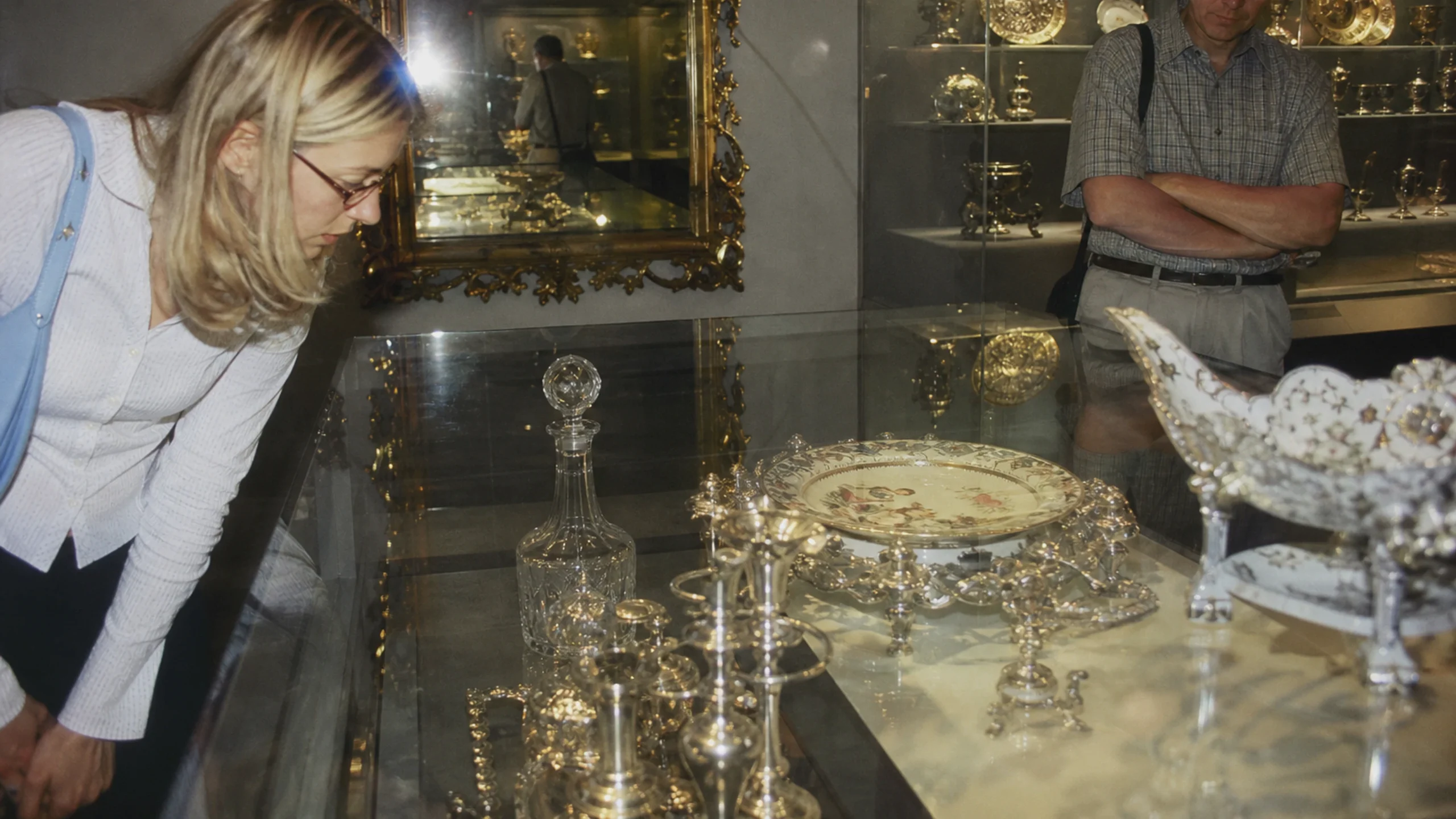
The Silver Chamber expands this perspective by highlighting the material organization of the court. Tableware and elaborate centerpieces represent wealth, craftsmanship, and diplomatic representation. They also document labor. Large banquets required planning, cleaning, transportation, storage, and the knowledge of numerous employees.
This perspective makes it clear that imperial splendor was created daily. Behind a set table were hierarchies and often invisible work. In connection with the Imperial Apartments and the Sisi Museum, the Silver Chamber can therefore show how the court functioned. At the same time, it becomes clearer how Elisabeth distanced herself from the established order with her desire for withdrawal and distance from the ceremonial aspects.
The planned accessible pathways are more than just a service; they influence who can independently experience the historic rooms. A new staircase in the Marschallhof, improved orientation, and enhanced infrastructure are intended to make the visit accessible to more people. This renovation is challenging for a listed building. Nevertheless, accessibility remains a central component of the public education mission.
The reopening is scheduled for November 19, 2026. This article is based on the planning status as of August 2, 2026. The sequence of rooms, exhibits, visiting conditions, and schedule may be adjusted until the opening. It will be crucial to determine whether the additional rooms not only display more artifacts but also convey more complex connections between Elisabeth, court life, and imperial representation.