Urban culture in Vienna is not only made up of well-known cultural institutions. It also emerges at bathing areas, in self-organized venues, and on streets used for political demonstrations.
In 2026, three chapters of this story will take center stage. The Vienna Museum will present “The Donauinsel: 21 kilometers of public space,” exploring the creation and use of a large public recreation area. The exhibition “Arena: At least it’s love!” will look back at the 50th anniversary of the 1976 occupation of a central location for alternative music and youth culture. On June 13, 2026, the Pride parade will also take place for the 30th time along the Vienna Ringstraße.
The Donauinsel, the Arena, and the Pride parade have different origins. The island is the result of long-term urban planning and flood protection. The Arena emerged from protest and occupation. The Pride parade is held every year as a political demonstration. Together, they raise the question of who can shape, use, and visibly influence Vienna.
Urban culture in Vienna on the Donauinsel
iksHaus | KI-generiert nach redaktioneller Konzeption, 2026
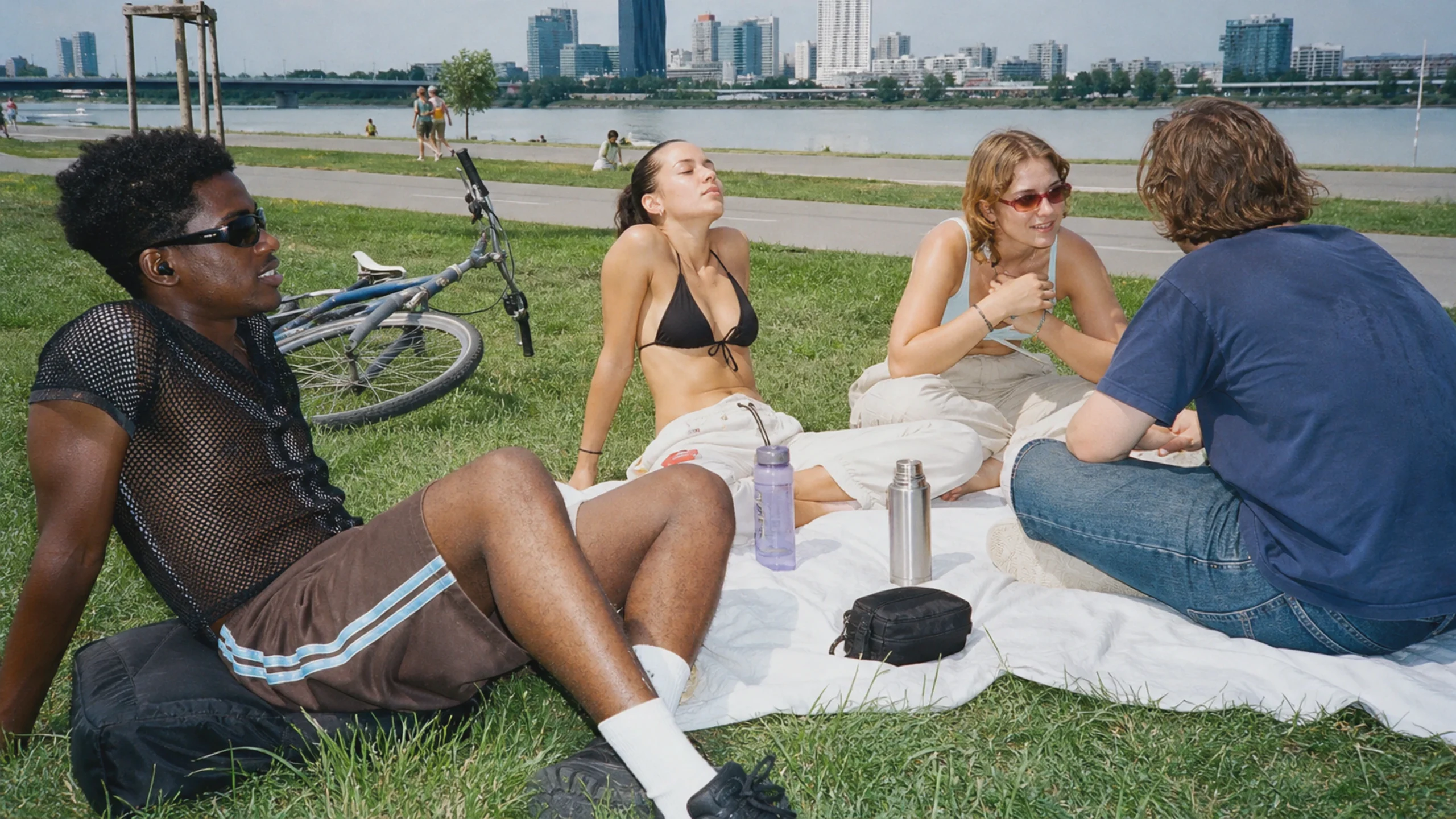
The Danube Island was created as part of the Vienna Danube regulation project, serving as a flood protection measure. A roughly 21-kilometer-long strip of land was created between the Danube and the New Danube, connecting technical infrastructure with a wide range of recreational facilities.
The Wien Museum is dedicating an exhibition titled “The Danube Island: 21 Kilometers of Open Space” to this area, from March 26th to August 30th, 2026. The exhibition focuses not only on planning and technology. The island serves as a swimming area, running track, barbecue spot, festival grounds, a place of refuge, a meeting place for the LGBTQ+ community, and a natural area. Different uses occur simultaneously and can lead to conflicts.
In principle, there is no obligation to consume anything during a visit to the Danube Island. The freely accessible space therefore has social significance. However, its openness does not arise spontaneously. Paths, water quality, rescue services, waste disposal, nature conservation, accessibility, transportation links, and conflict management must be organized.
Ecological and social interests can also clash. Quiet shoreline areas protect animals and plants, while people seek access to the water. Events bring activity, but also noise and waste. The exhibition makes it clear that landscapes are planned, built, politically negotiated, and culturally used, just like other parts of the city.
Arena 1976: From Occupation to Cultural Work
iksHaus | KI-generiert nach redaktioneller Konzeption, 2026
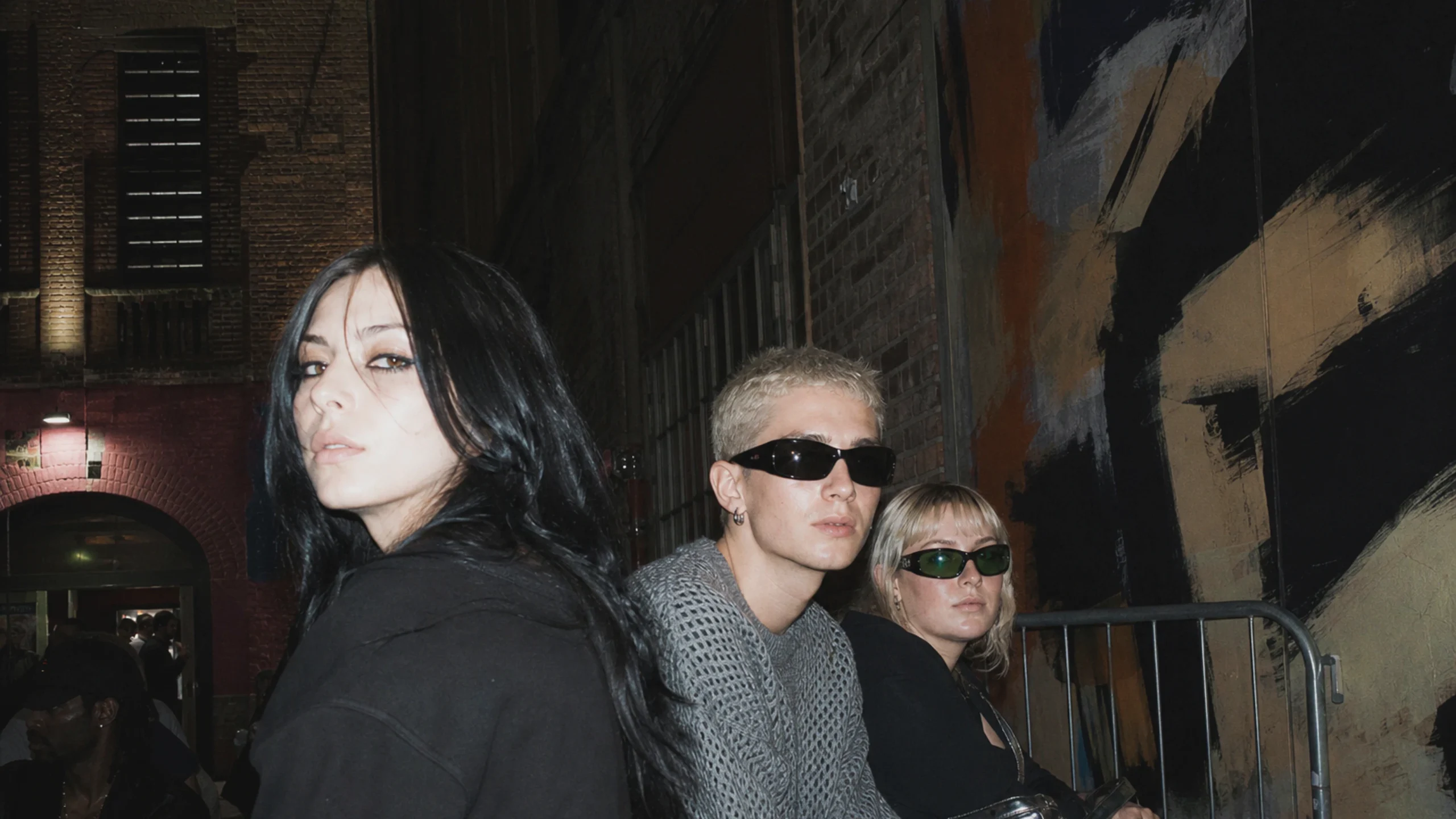
In the summer of 1976, activists, artists, and visitors occupied the site of the former foreign slaughterhouse in St. Marx. Events of the Vienna Festival had previously taken place there. After the planned end of the program, the area was to be demolished. The occupation countered this loss and demanded an autonomous cultural center.
The occupied foreign slaughterhouse was cleared and later demolished. However, the movement continued. Part of the former domestic slaughterhouse became the Arena Wien. It still operates today as a self-managed association and as a professional venue. In this way, it combines its history of resistance with an international concert business.
The exhibition “Arena. It’s definitely about love!” will be on display from June 18th to September 27th, 2026, in the Community Gallery of the Wien Museum. The focus is on self-governance, individual initiative, socio-political engagement, and the everyday work within the cultural sector.
This also sheds light on less visible tasks such as technology, security, cleaning, financing, and dealing with neighborhood conflicts. The Arena also faces the typical challenges of alternative cultural spaces. Professionalization enables larger productions and more stability, but also brings additional rules and economic pressure.
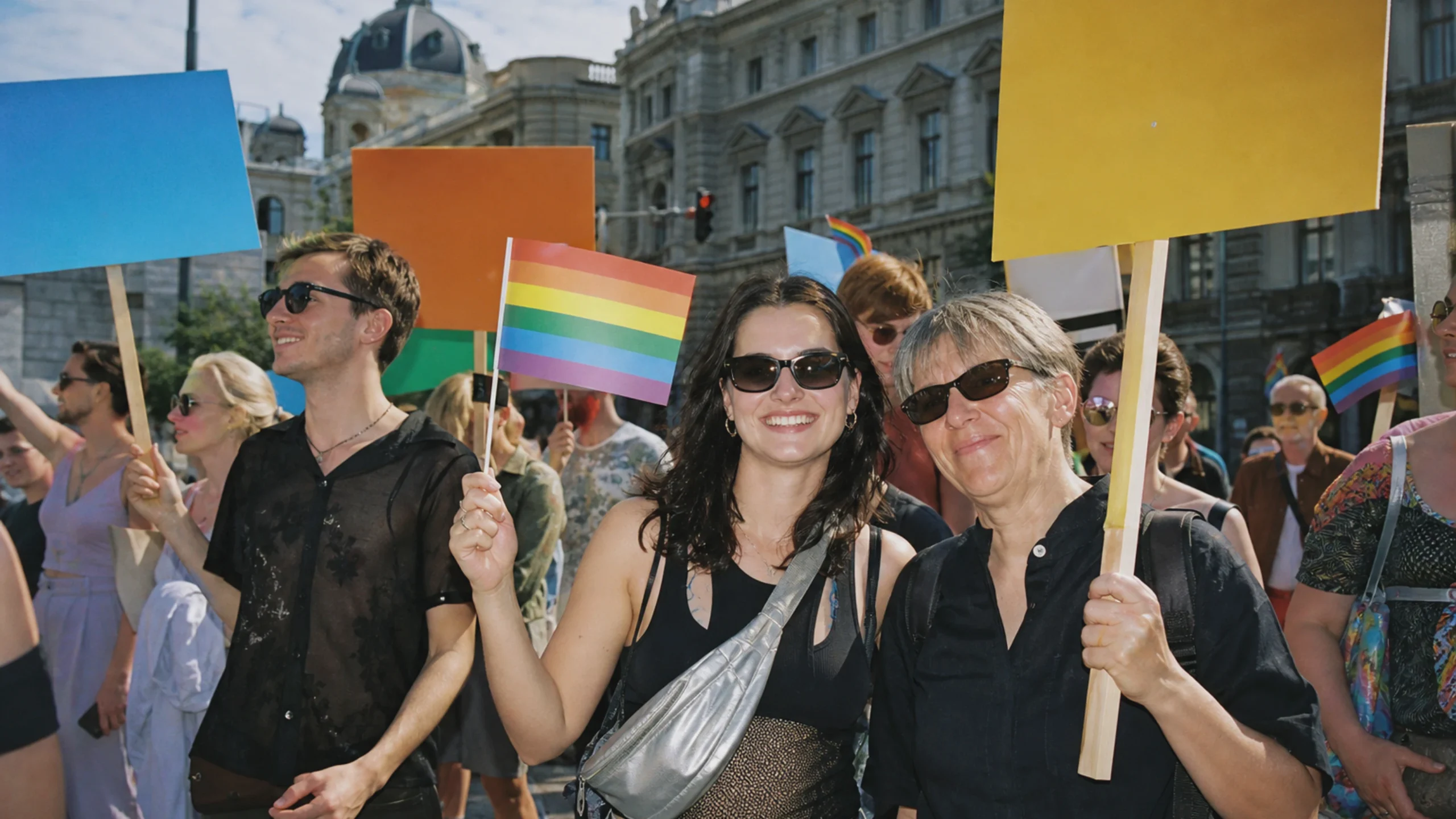
30 years of the Regenbogenparade as a visible protest
iksHaus | KI-generiert nach redaktioneller Konzeption, 2026
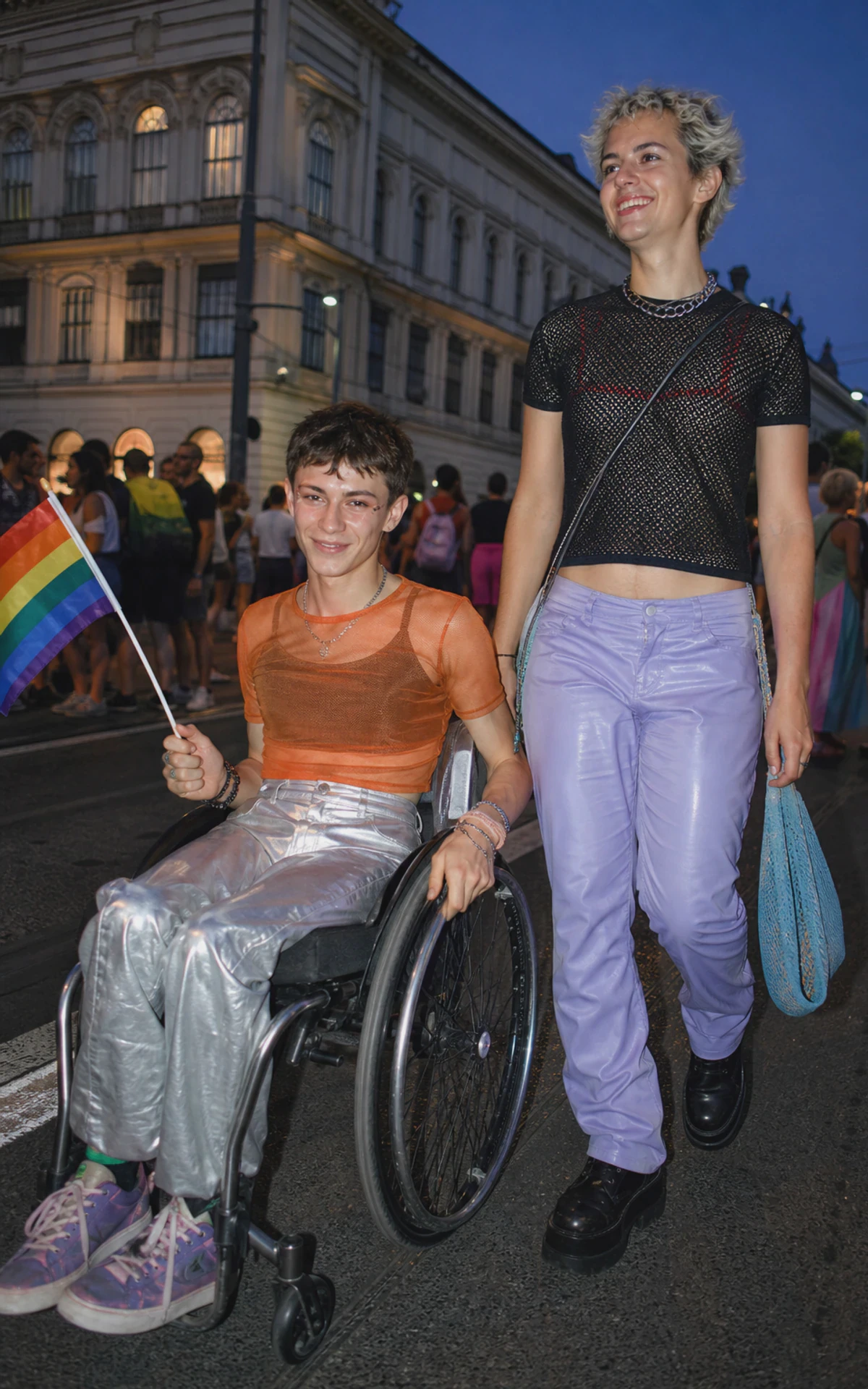
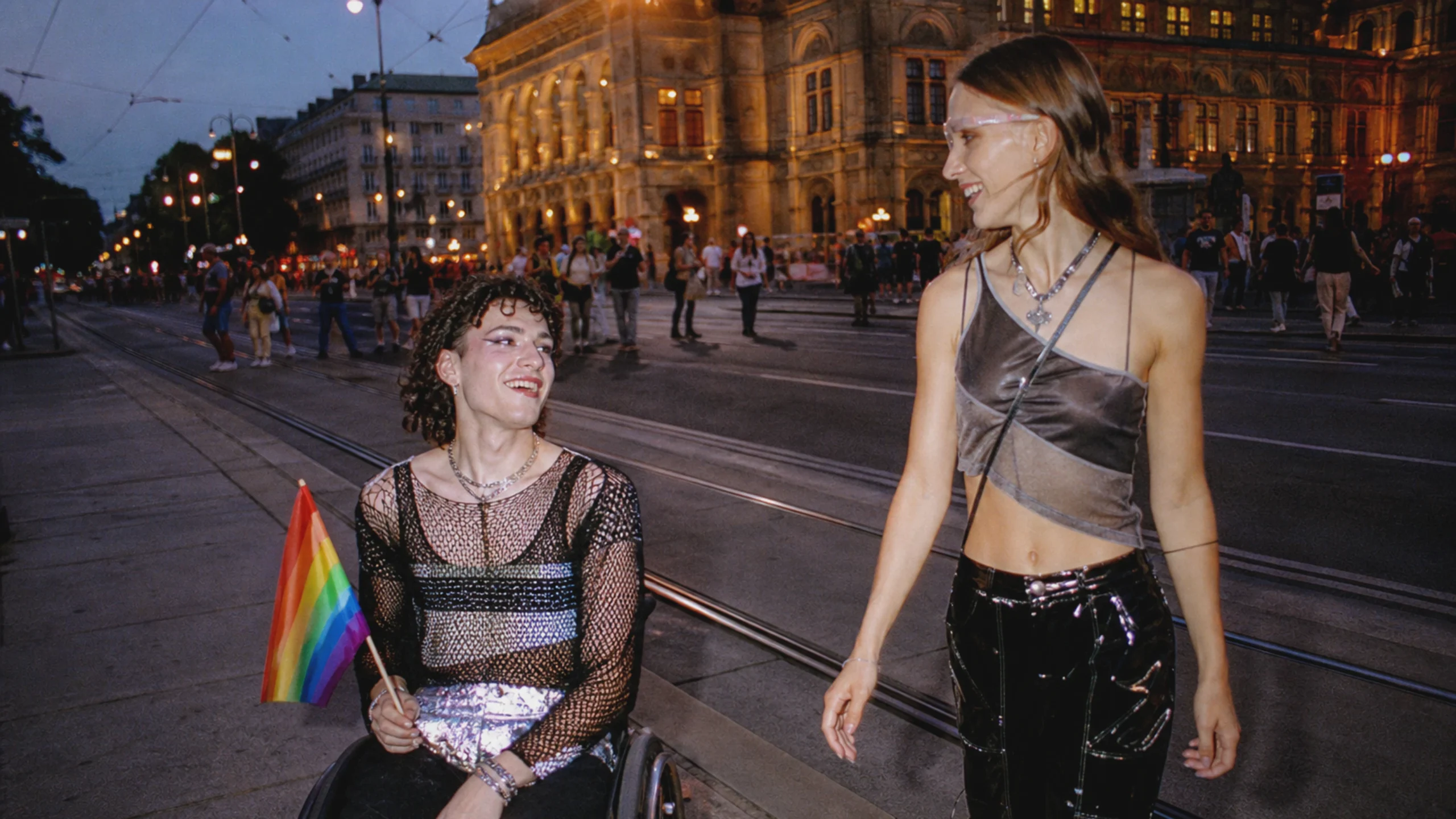
On June 13th, 2026, the Vienna Regenbogenparade took place for the 30th time, moving against the usual direction around the Ringstraße. The street became a place of queer visibility and political demands for a few hours.
The first Vienna Regenbogenparade took place in 1996. Since then, it has developed into the highlight of Vienna Pride and one of the largest political demonstrations in Austria. The 2026 anniversary was held under the motto “VISIBLE since 1996.” Lesbians, gay men, bisexuals, transgender, intersex, queer people, and others demonstrated together with allies for acceptance, respect, and equal rights.
Music, costumes, floats, and dancing are part of the public parade format. At the same time, the Pride parade is explicitly a political demonstration. It makes demands visible and should not be reduced to a celebration. Discrimination, violence, legal inequalities, and various barriers remain part of the political discourse.
On the same day, the Rathausplatz was transformed into a Pride Village, a meeting place for the community, information, a stage, and gastronomy. Due to budget constraints and cuts, the Village took a modified, one-day format in 2026. This also shows that public visibility requires space, organization, and funding.
Public space is a political resource
The Danube Island, the Arena, and the Pride parade demonstrate that public space is not neutral. It is planned, regulated, financed, and imbued with meaning. The extent to which people can freely use it depends on the infrastructure, the rights available, and the level of social acceptance.
The Danube Island represents the possibilities of long-term public planning. The Arena shows that cultural infrastructure can also arise from conflicts and grassroots initiatives. The Pride parade highlights how a community uses the symbolic center of the city for visibility and political demands.
A festival photo, graffiti, or a rainbow flag alone do not make a city open. What is crucial is whether people actually have access, whether non-commercial use is possible, and whether political criticism has a place.
Vienna beyond the postcard
The Vienna Museum will, in 2026, anchor the stories of the Danube Island and the Arena in the city’s cultural memory. The island is presented as a complex infrastructure and as a social space. The Arena is shown as a result of occupation, self-administration, and decades of work. The Pride parade rewrites its history every year on the Ringstraße.
Together, these three examples show a Vienna where public spaces are created, organized, and defended. Urban culture emerges where people not only use spaces but also collectively negotiate and change their use.
Note: This article is based on official information available as of August 2, 2026. Opening hours, schedules, and event formats may change. This article does not claim to represent all perspectives within the diverse community.