

Depression is much more than just feeling sad or having a bad day. It can affect how we think, feel, sleep, connect with others, and experience daily life. However, not every period of sadness, exhaustion, or loss of motivation means that someone is experiencing depression. Sometimes, similar symptoms can be related to physical health problems, hormonal changes, or nutrient deficiencies. Therefore, understanding depression requires a perspective that goes beyond just the mind. Our brain, our body, our personal experiences, and our social environment are closely interconnected and influence each other. Today, research increasingly shows that depression cannot be explained by a single cause.
The editorial team at iks.haus (Kresho and Tmi) aims to reach everyone who has questions about depression.
If you are concerned about yourself or a loved one, we hope that this article will help you to better understand what depression is, to recognize its various forms, and to find out where you can find reliable information and support.
1. What is Depression?

iksHaus | KI-generiert nach redaktioneller Konzeption, 2026
Depression is not simply a bad mood or a lack of willpower. It is a mental illness that can affect many areas of life. Common characteristics include persistent sadness, emptiness, or irritability, as well as a loss of interest or pleasure in activities that were once important. Other symptoms can include changes in sleep or appetite, low energy, difficulty concentrating, feelings of guilt or worthlessness, hopelessness, and sometimes thoughts of death or suicide.
Duration and intensity of a depressive episode

iksHaus | KI-generiert nach redaktioneller Konzeption, 2026
A depressive episode typically involves symptoms that persist most days and almost all day long for at least two weeks. The duration alone does not constitute a diagnosis. Professionals also consider the intensity of the symptoms, the course, and the impact on relationships, work, studies, and daily functioning [1, 2].
When symptoms similar to depression have physical causes

iksHaus | KI-generiert nach redaktioneller Konzeption, 2026
Some medical conditions can cause similar symptoms or contribute to them. These include hypothyroidism, vitamin B12 or folate deficiency, iron deficiency anemia, certain metabolic or inflammatory diseases, sleep disorders, and side effects of some medications [3]. A vitamin D deficiency has also been linked to depressive symptoms, but this does not prove that a low vitamin D level directly causes depression.
Physical examination and a holistic perspective

iksHaus | KI-generiert nach redaktioneller Konzeption, 2026
A doctor can recommend tests based on symptoms and medical history; not everyone needs the same tests. A physical illness and a depressive disorder can also occur together. The goal is to consider the whole person, rather than automatically attributing fatigue, low mood, or poor concentration to depression.
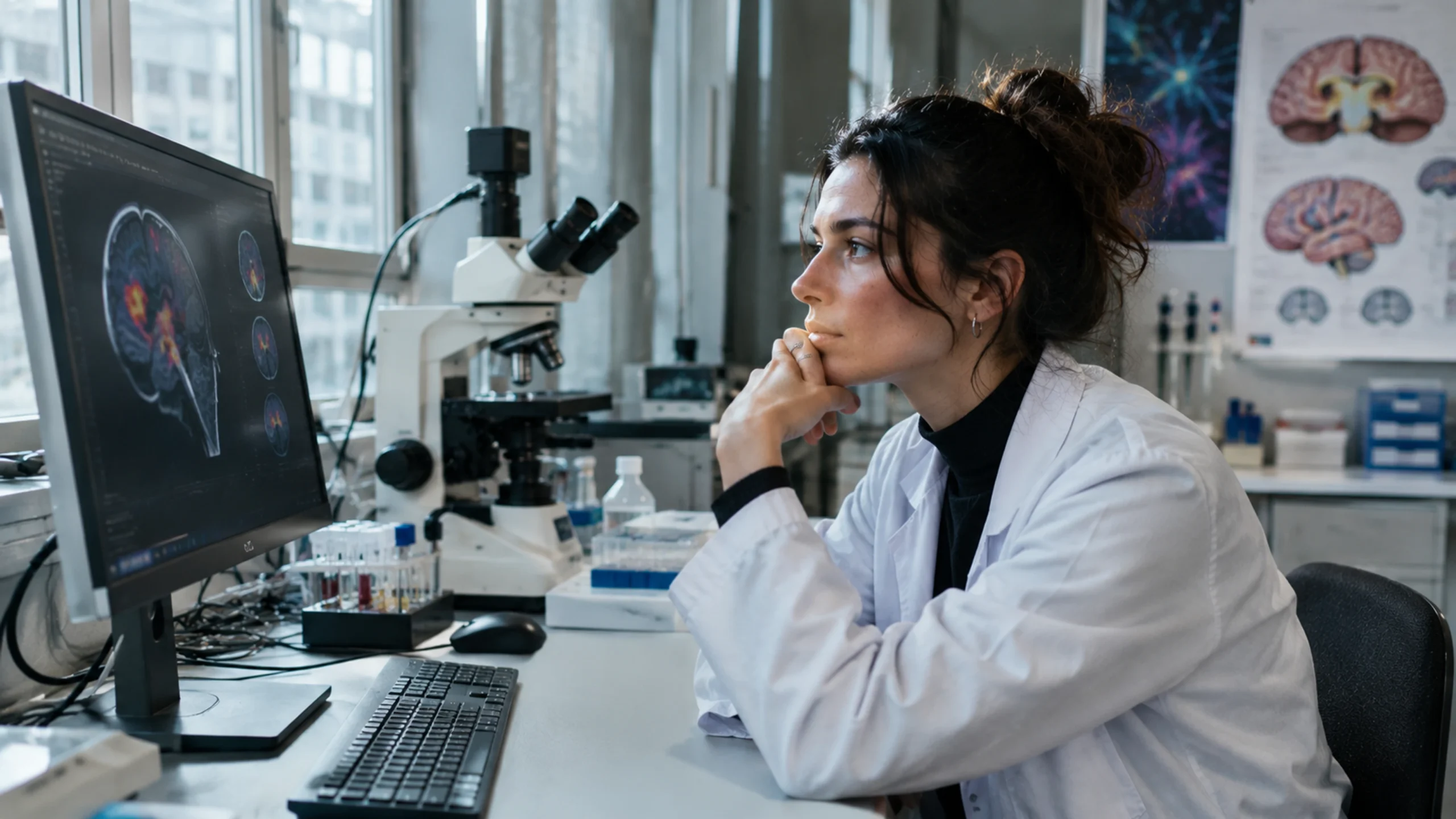
2. The Neurobiology of Depression
iksHaus | KI-generiert nach redaktioneller Konzeption, 2026
The brain is a network of systems involved in thinking, memory, emotions, stress responses, and decision-making. Some of these systems may function differently in depression.
The brain’s communication system: Neurons communicate through neurotransmitters such as serotonin, dopamine, and norepinephrine, which are involved in mood, motivation, attention, and reward. Depression is not simply caused by a deficiency of a single chemical; it involves interactions between brain networks, bodily systems, and experiences.
The body's stress response

iksHaus | KI-generiert nach redaktioneller Konzeption, 2026
The hypothalamic-pituitary-adrenal (HPA) axis helps regulate the body’s stress response, including the release of cortisol. Chronic stress can affect sleep, energy, memory, and emotional regulation, although there is no single pattern of stress hormones that all people with depression share.
A brain with adaptability

iksHaus | KI-generiert nach redaktioneller Konzeption, 2026
Neuroplasticity is the brain’s ability to adapt through learning and experience. Depression can affect networks involving the hippocampus, amygdala, and prefrontal cortex, but this does not mean that the brain is permanently damaged. Relationships, learning, psychotherapy, physical activity, and treatment can support adaptive changes. Depression does not have a single neurological explanation.