
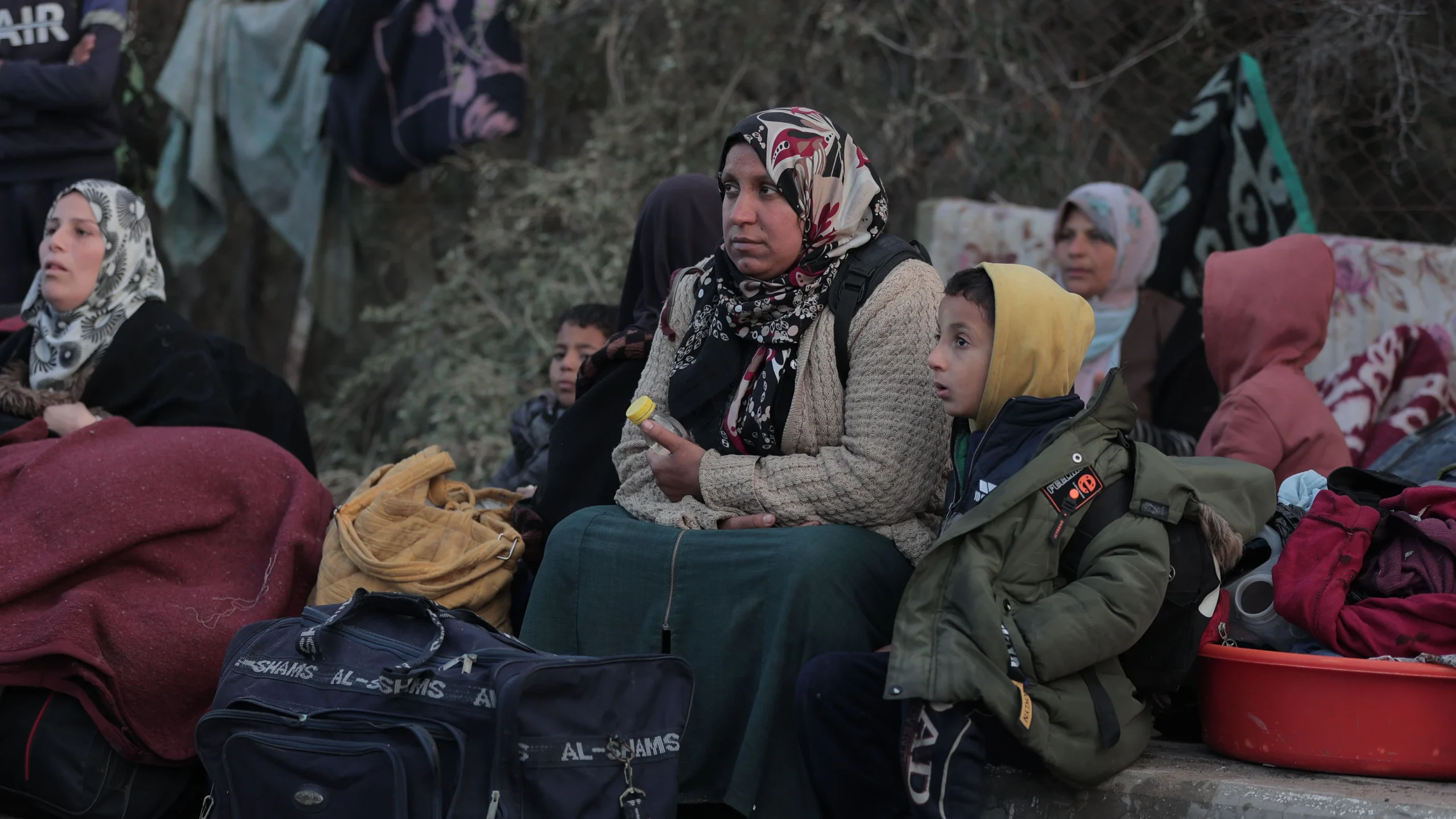
Migration can change everyday life, the roles within the family, and the expectations between family members. Acculturation stress and family relationships are closely related, as adapting to a new cultural environment often brings changes in communication, responsibilities, social networks, and the sense of belonging.
For some families, these changes create opportunities for greater independence, cooperation, and personal growth. For others, language barriers, financial insecurity, discrimination, or separation from relatives can increase the psychological burden. Parents and children often adapt at different rates, which can lead to disagreements about identity, autonomy, and family obligations.
Nevertheless, migration does not necessarily lead to family conflicts or psychological difficulties. Understanding these experiences requires attention to individual differences, family dynamics, and the social conditions under which adaptation takes place. Instead of treating cultural differences as the sole explanation, a more comprehensive perspective considers both the pressures that families face and the resources that support their adaptation.
Migration can change the roles of family members and their expectations of each other. Adults may focus on financial stability, preserving familiar practices, and maintaining connections with relatives in their country of origin. Children and adolescents often adapt to the language and social norms of the host society more quickly through school and friendships. These different experiences can influence how family members understand independence, responsibility, identity, and belonging. Tensions can arise when parents and children interpret the same situation differently. For example, a young person’s desire for more autonomy may be perceived by a parent as a distancing from the family, while the young person sees it as a normal part of growing up. Such discrepancies should not automatically be attributed to cultural differences: age, personality, family history, economic pressure, and the broader social environment also play a role. Generational differences should also not be treated as universal. Some families manage the changes together, others experience persistent conflicts, and many move between phases of tension and cooperation. The crucial question is not simply which culture a family belongs to, but how its members interpret the change and whether they have opportunities to discuss it safely.

Stress can increase when people are confronted with repeated demands but have limited access to resources that would help them cope. Language barriers, discrimination, isolation, insecure employment, or uncertainty about the future can make adaptation more difficult. When multiple stressors occur simultaneously, family members may have less time and emotional energy for each other. This does not mean that migration itself causes psychological difficulties, or that migrant families are inherently vulnerable. Many people draw on family solidarity, community networks, personal skills, and new opportunities. The results vary, and a factor that is associated with stress in one context may have a different meaning in another. Research findings on refugees and asylum seekers, whose life circumstances may involve flight and prolonged uncertainty, should not be automatically generalized to all migrants.

Housing difficulties, unstable employment, low income, and limited access to services can exacerbate everyday stress. Under these conditions, disagreements about money, childcare, education, or household responsibilities can be more difficult to resolve. The pressure is not necessarily culturally determined; it can reflect a lack of time, privacy, security, or practical support. It is important to distinguish correlation from causation. Family conflicts and psychological stress can influence each other, and both can be shaped by circumstances outside the family. Therefore, a careful presentation avoids portraying migration, cultural differences, or family structure as the sole explanation for complex experiences.

Acculturation is not a one-sided process in which a person or group simply has to become like another. It unfolds through relationships between individuals, families, institutions, and the broader society. The host society influences adaptation through its expectations, opportunities, institutional arrangements, and willingness to accept diversity.
Furthermore, adaptation does not necessarily follow a predictable sequence. Families may experience periods of stability, followed by renewed uncertainty, especially when employment, housing, legal circumstances, or important relationships change. What initially appears as a cultural difference may become easier to negotiate over time as family members become more familiar with their environment and the perspectives of others.
Successful adaptation should therefore not be measured solely by language proficiency, conformity to the cultural practices of the majority, or the absence of family conflicts. Psychological well-being, meaningful participation, supportive relationships, and the ability to maintain a coherent sense of identity are also important aspects.
Family tensions can be part of this process, but they are neither inevitable nor irreversible. These possibilities also depend on whether families encounter environments that recognize their experiences and offer meaningful opportunities for participation. Such conditions can strengthen mutual understanding, psychological well-being, and a sense of belonging across generations.
The conditions under which families live, and the support available to them, can make a significant difference. Recognizing both individual agency and collective responsibility provides a more balanced understanding of migration, acknowledging difficulties without overlooking resilience, diversity, and the possibility of positive change.