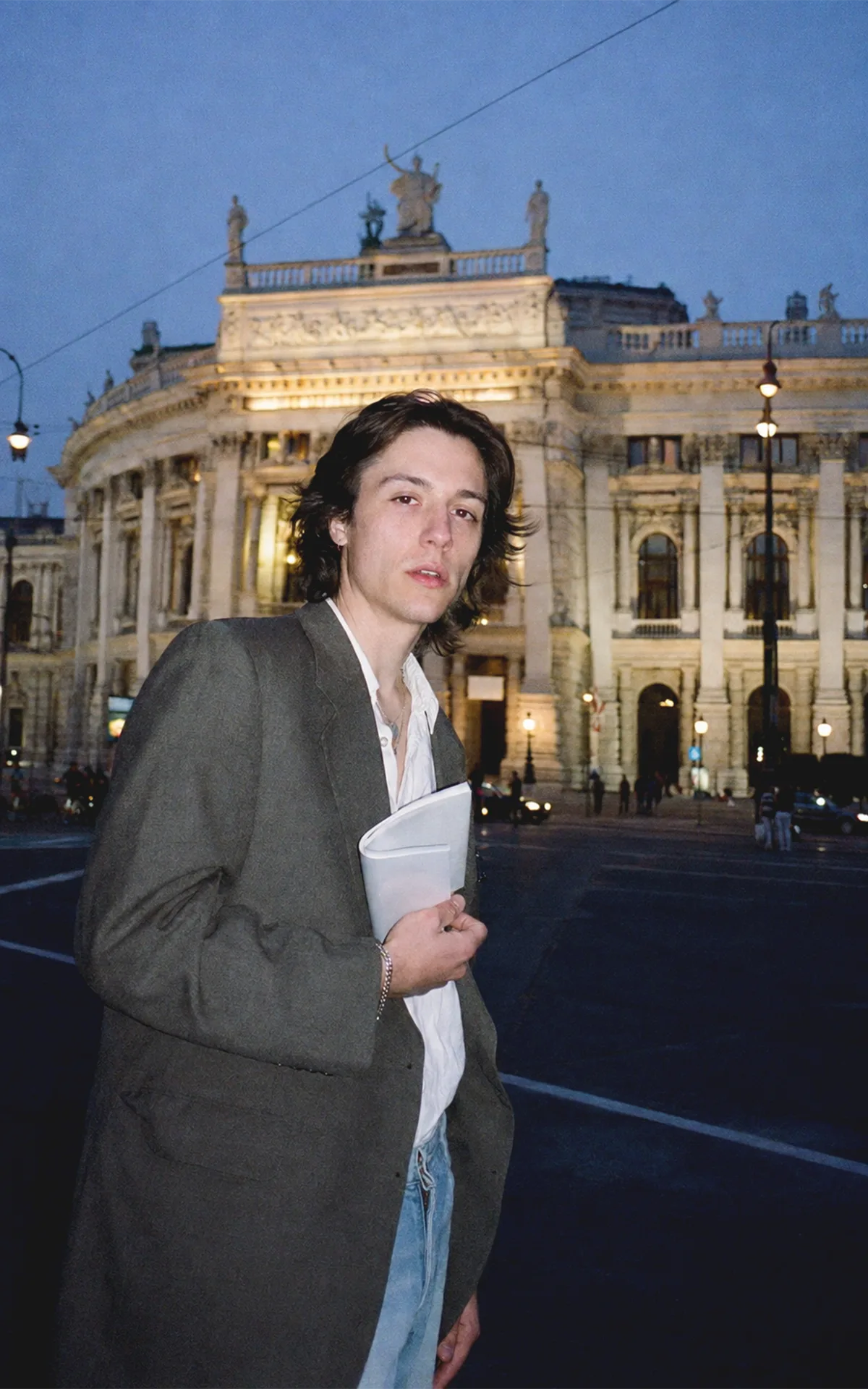
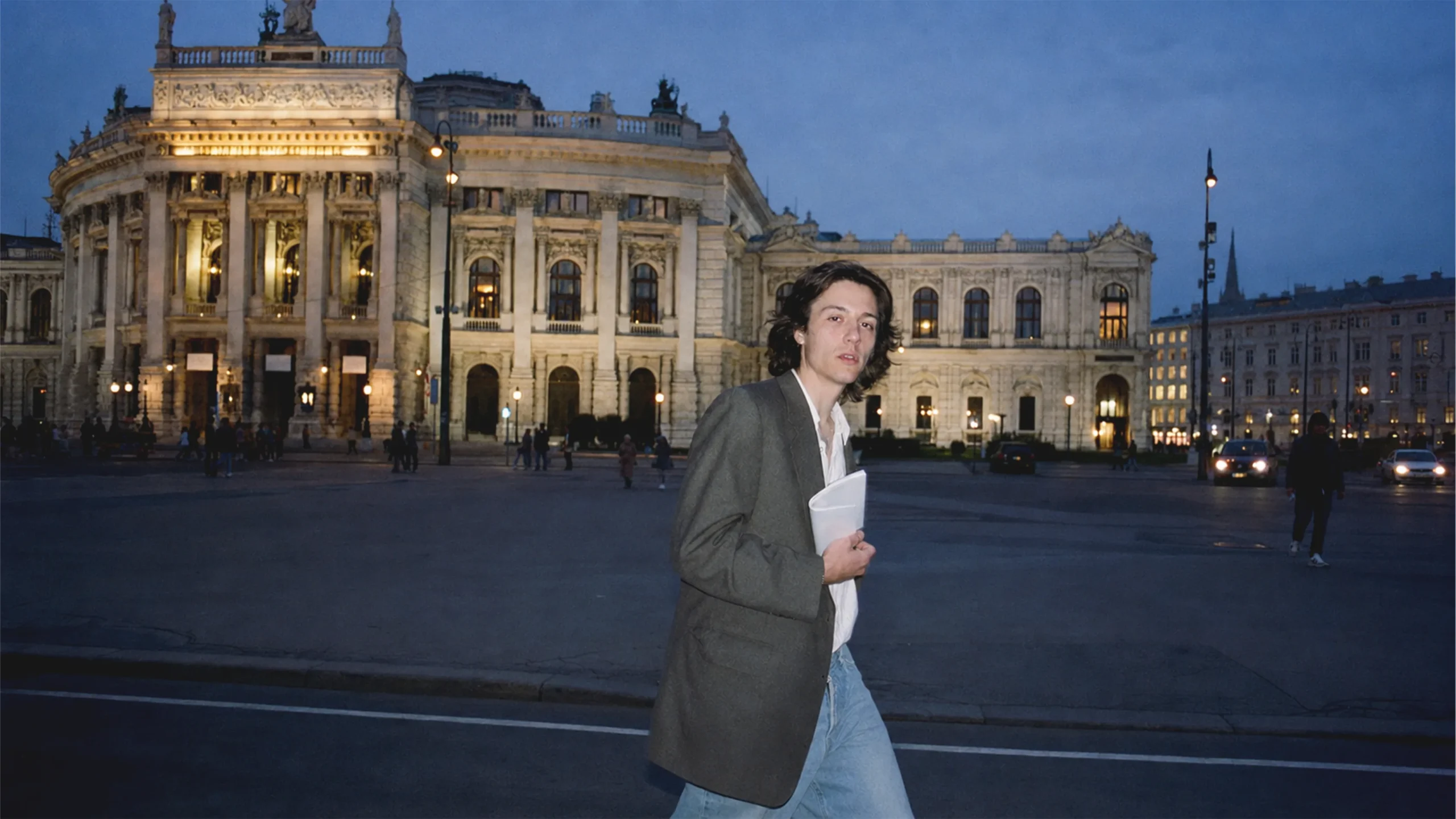
Vienna thrives on institutions that are far older than the republic and yet must constantly demonstrate why they are needed in the present day. In 2026, two of these institutions will be particularly in the spotlight. The Burgtheater is celebrating 250 years since it was designated as the National Theater, and the Albertina is also looking back on 250 years of collection history. Both anniversaries are not only about imperial representation and great names. They raise a more current question: How can a cultural heritage be opened up without freezing it in a superficial celebratory speech?
The answers vary. The Burgtheater is using renovation work to make parts of its architecture accessible from an unusual perspective for a limited time. The Albertina is celebrating its history with exhibitions that explore the act of collecting itself and juxtapose central positions of the modern era. This retrospective does not result in a mere calendar of birthdays, but rather a program of proximity, selection, and responsibility.
The Burgtheater is celebrating more than just a building
When Emperor Joseph II declared the theater a National Theater in 1776, it was still located on Michaelerplatz. The current building on the Ring was not built until more than a century later. The anniversary therefore does not simply refer to the facade, which is now known worldwide as the Burgtheater. It refers to an institutional idea: A theater should become the central place for German-language acting and, at the same time, acquire a public significance that goes beyond courtly entertainment.
This idea never remained unchanged. The Burgtheater was a stage, a tool of power, a canon-making machine, and a place of conflict. It shaped the language and acting traditions, was rebuilt after the Second World War, and constantly had to grapple with the political conditions of its history. That’s precisely why the 250th anniversary is more than just a reason for nostalgia. It offers an opportunity to ask who was visible on the stage, which voices were missing, and how a national theater defines itself in a pluralistic society.
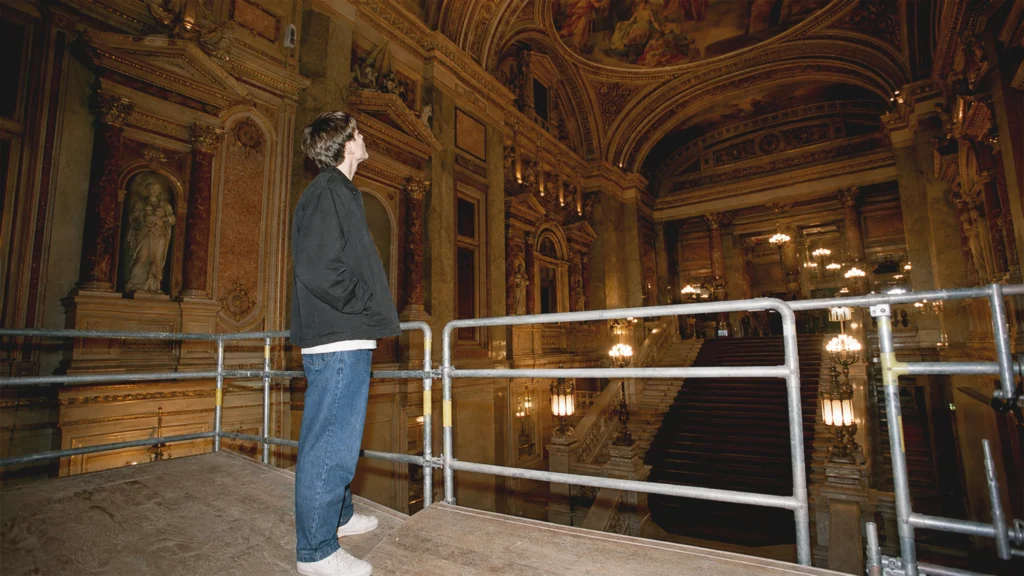
The anniversary program for the 2025/26 season combines performances, concerts, discussions, and special insights into the theater. One of the most striking initiatives arose from a practical situation: during the renovation work, scaffolding was erected in the magnificent stairwells. Instead of completely concealing this from the audience, the theater made it the starting point for a special tour.
iksHaus | KI-generiert nach redaktioneller Konzeption, 2026
Klimt, closer than ever before
The ceiling paintings in the stairwells were created between 1886 and 1888. Gustav Klimt worked with his brother Ernst Klimt and Franz Matsch. The ensemble depicts scenes from theater history and is one of Gustav Klimt’s most important early public works. Normally, the audience views these paintings from a respectful distance. The scaffolding radically changes the perspective.
During the special tours, small groups can get closer to the paintings and recognize details that are easily lost from the ground. Brushstrokes, compositional decisions, and the craftsmanship of a work that is usually perceived as a magnificent backdrop during a regular theater visit become visible. Due to high demand, the tours have been extended and are scheduled to continue until mid-August 2026, according to the Burgtheater. This offer is time-limited, as it is directly linked to the ongoing work.
Proximity has an interesting effect. It doesn’t diminish the importance of the historical work, but it brings it out of a decorative distance. Art history suddenly doesn’t appear as a finished surface, but as the work of people in a specific place. Perhaps the most compelling image of the anniversary lies precisely in this: a building looks back, while it is visibly being repaired, maintained, and prepared for the future.
The Albertina makes collecting itself the subject
The Albertina also traces its anniversary back to the year 1776. In that year, Duke Albert of Saxe-Teschen received a crucial foundation for the graphic collection from which one of the world’s most important art collections developed. Today, the institution comprises several locations and combines historical masterpieces with modern and contemporary art.
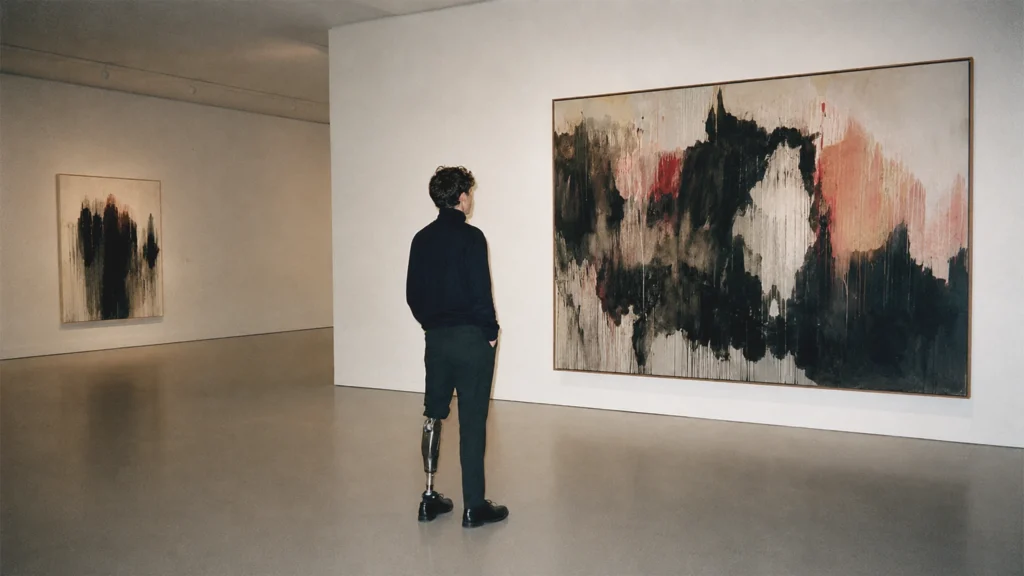
A collecting museum faces a special challenge during an anniversary. It can present its most famous treasures again. But it can also reveal how collections are created, what decisions lie behind them, and why preservation is always linked to a selection. The exhibition “Collecting for the Future,” which runs from June 19, 2026, to October 11, 2026, follows the second path. It views the history of the Albertina not as a completed success story, but as a process that must be continuously re-evaluated.
iksHaus | KI-generiert nach redaktioneller Konzeption, 2026
Collecting means power. An institution decides what is acquired, researched, exhibited, and thus made visible in the long term. At the same time, it bears responsibility for the origin, context, preservation, and accessibility of the works. An anniversary that doesn’t shy away from these questions can achieve more than self-affirmation. It can show that cultural memory is shaped and that even large collections have gaps.
Picasso and Bacon in direct dialogue
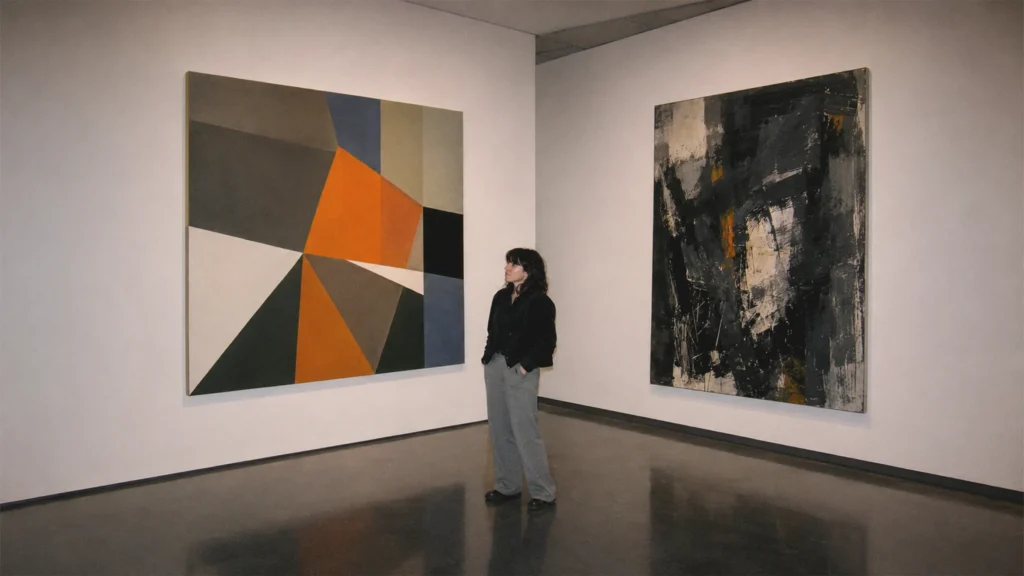
On September 18, 2026, another highlight of the Albertina’s year will begin with “Picasso – Bacon. What It Feels Like to Be Human.” The exhibition juxtaposes Pablo Picasso and Francis Bacon, two artists who profoundly changed the image of the human body in the 20th century in very different ways. According to the Albertina, approximately 70 key works from international museums and private collections will be on display. The exhibition will run until January 31, 2027.
The connection is not a simple story of direct influence. Picasso was an overwhelming reference point for subsequent generations, while Bacon further intensified the possibilities of figurative painting under the conditions of a century marked by violence, media imagery, and existential uncertainty. The exhibition explores bodies, vulnerability, desire, and the question of how a painted face can appear both familiar and foreign at the same time.
iksHaus | KI-generiert nach redaktioneller Konzeption, 2026
Especially in a jubilee year, this exhibition is a wise decision. It doesn’t rely on a harmless parade of famous names, but on creating tension. Visitors are encouraged to recognize differences, make connections, and react to the emotional impact of the works. The museum presents itself less as a treasure trove and more as a place where art sparks new conversations.
Two anniversaries, different perspectives
The Burgtheater and the Albertina share a number in 2026, but not the same story. The theater works with live performance, voice, and physical presence. The museum preserves objects, drawings, prints, and paintings across generations. Nevertheless, both programs are united by a movement from the monumental to the concrete.
At the Burgtheater, this movement leads to a framework, close to the surface of a Klimt painting. At the Albertina, it leads to the decisions behind a collection and an intense dialogue between two artists. Both institutions demonstrate that access is not only about opening a door. Access is also created through mediation, context, and a willingness to view familiar narratives from a different perspective.
However, the practical aspects remain important. A cultural anniversary achieves its impact not only through major exhibitions, but also through understandable information, affordable offerings, and, ideally, accessible visits. Those who open historical spaces or art collections must consider diverse needs. These include physical accessibility, clear orientation, seating options, linguistic interpretation, and digital information. This is not always easy, especially in historic buildings. However, it determines whether the promise of public culture truly reaches a diverse audience.
This is crucial for Vienna. The city greatly benefits from its image as a historical cultural center. However, this image can quickly become a mere backdrop if institutions only reproduce the familiar. An anniversary has a future when it focuses not only on how many years have passed, but also on what a venue can offer its audience today.
In 2026, the Burgtheater and the Albertina will provide two distinct answers to this. One will make restoration and architecture an event. The other will explore the history of the collections and confront central images of modernity. Together, they tell the story of a Vienna that not only admires its heritage but also opens it up, examines it, and re-establishes connections.